China Overtakes US in Global Favorability, Pew Finds
Get the Geopolitics newsletter
Daily geopolitics — wars, elections, sanctions, the diplomatic moves that move markets. Free.
- Pew Research Center found that in 25 of 36 countries surveyed, more people held favorable views of China than the US — the first time since the center began tracking global superpower sentiment in 2002 that China has led so broadly.
- The survey polled over 42,000 people between February and May and recorded record-high favorability for China in Italy, Spain, Indonesia, Malaysia, Nigeria, Turkey, Colombia, and Mexico, according to researcher Jonathan Schulman.
- Only six countries still favored the US over China: Poland, the Philippines, South Korea, India, Japan, and Israel — all identified in the study as staunch US allies.
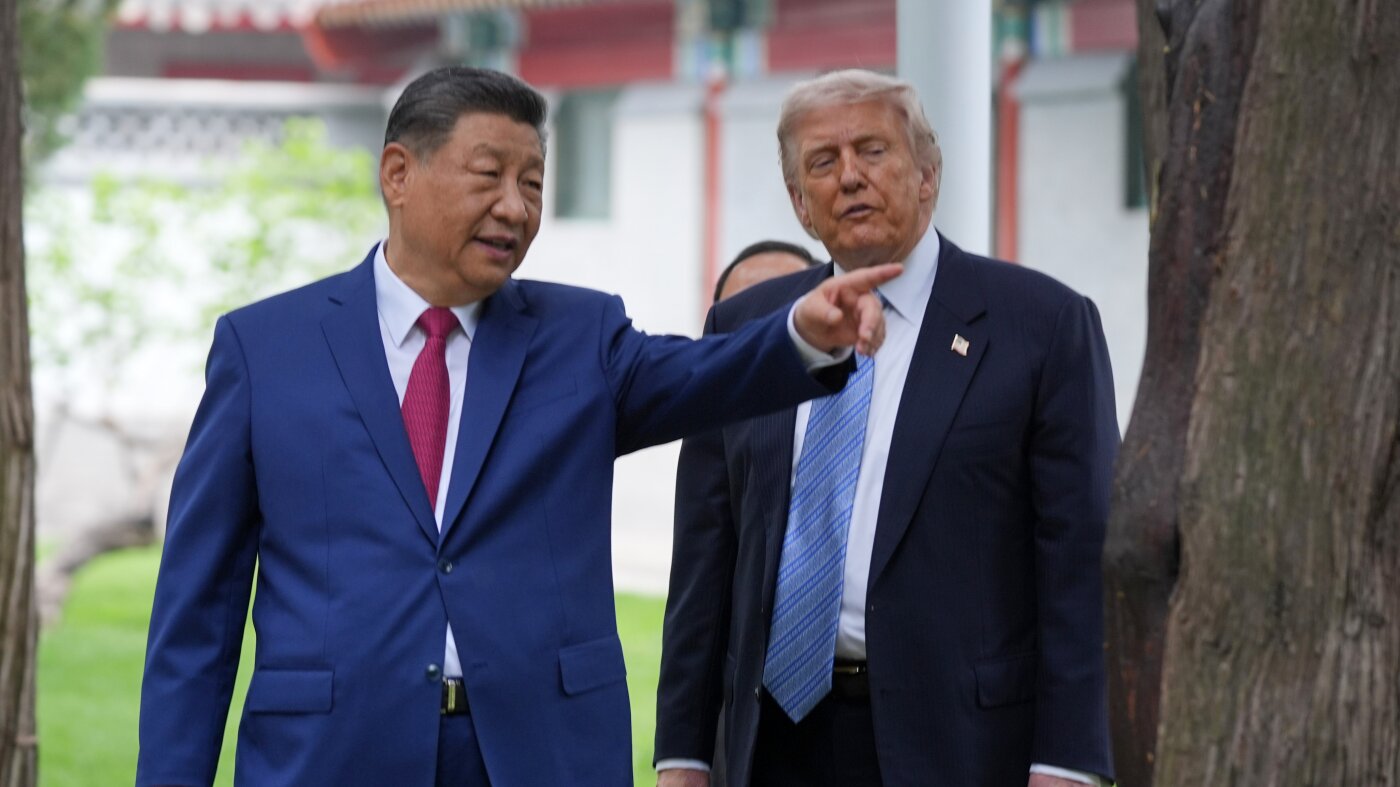
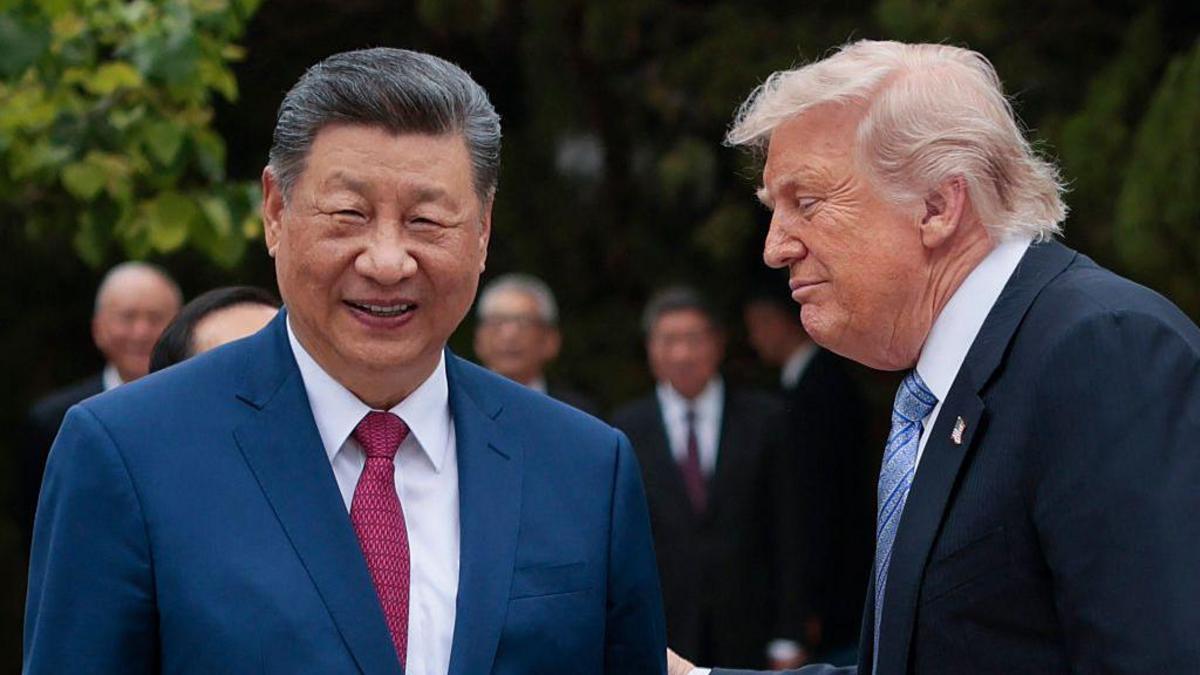
- Xi Jinping outpaced Donald Trump on global confidence despite low scores for both, earning 83% confidence in Pakistan and 7% in Japan, while Trump peaked at 68% in the Philippines and bottomed out at 4% in the West Bank/East Jerusalem.
- A median of 75% of respondents in middle-income countries said the US interfered in other countries' affairs a great deal or fair amount, compared with 45% for China — though the US was still seen as respecting personal freedoms more.
- Gallup independently found China surpassed the US in global approval ratings last year with the widest gap in 20 years, though the Asia Society's yearly survey showed China's image had only modestly recovered from its pandemic dip.
- Carnegie China scholar Chong Ja Ian attributed the shift to US policy volatility — including Trump's Greenland annexation rhetoric and the Iran war, both of which occurred during the polling period — arguing China now appears 'more predictable' even as Xi remains a 'major authoritarian figure.'
Why it matters: US soft power is measurably eroding in middle-income countries, where 75% see American interference in other nations' affairs versus 45% for China — a 30-point gap that directly tracks with the 25-to-6 country favorability split. The polling window captured Trump's Greenland rhetoric and the Iran war, suggesting perception of US unpredictability is now driving global opinion shifts faster than China's own image-building efforts.