Israel Escalates Lebanon Strikes Amid Iran-US Talks — SkimNews

Get the Geopolitics newsletter
Daily geopolitics — wars, elections, sanctions, the diplomatic moves that move markets. Free.
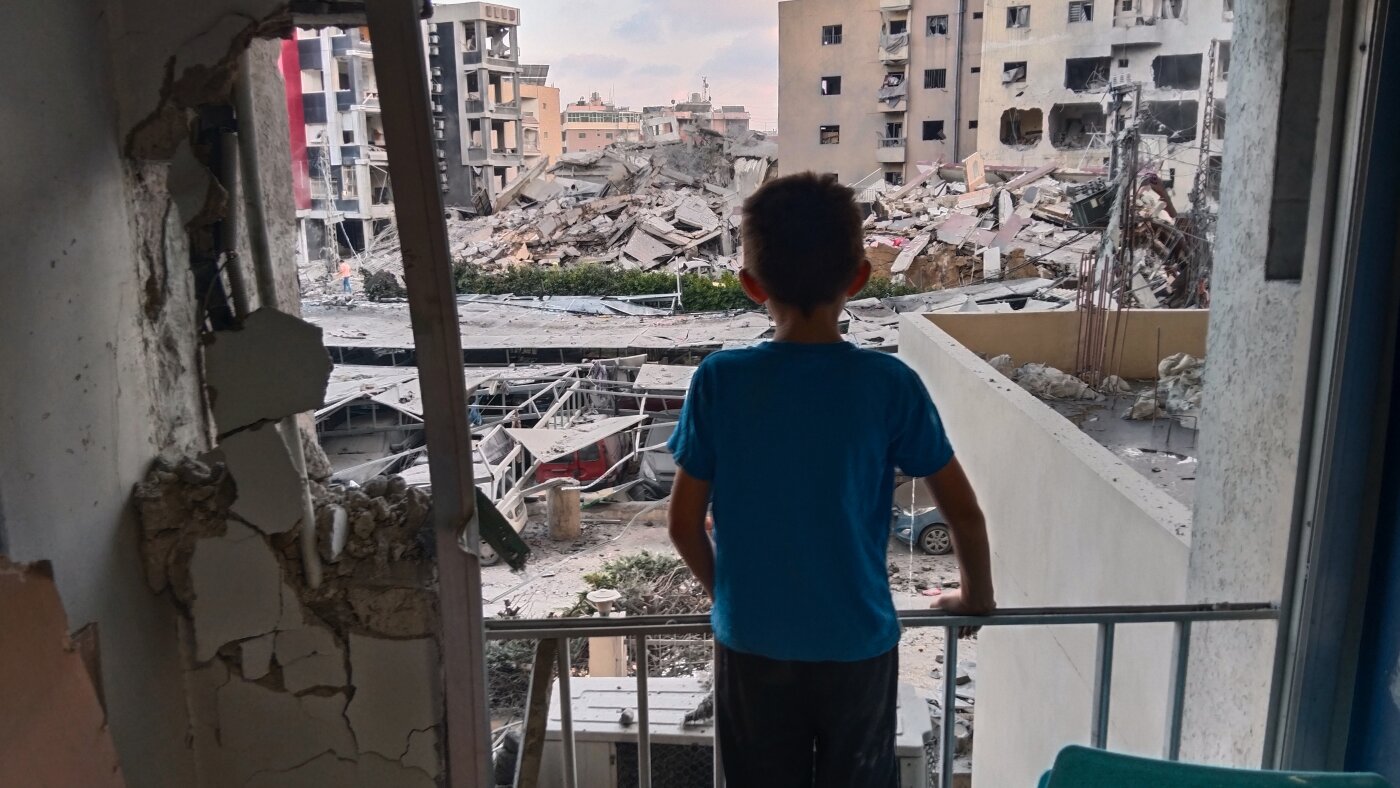
- Israel has increased strikes and incursions deeper into Lebanon since March 2, 2026, aiming to dismantle Hezbollah, resulting in over 3,300 Lebanese deaths and more than a million displaced by June 1.
- Hezbollah has continued targeting Israeli military positions in southern Lebanon and civilian areas in northern Israel, maintaining military resistance despite significant leadership losses and Iranian command reinforcement after November 2024.
- Iran has conditioned its negotiations with the U.S. on a complete halt to Israeli hostilities in Lebanon, using its leverage over the Strait of Hormuz to protect Hezbollah as its key regional proxy.
- Trump administration officials have restricted Israeli operations to southern Lebanon and the Bekaa Valley, prohibiting attacks on state infrastructure, even as Netanyahu ordered strikes on Beirut on June 1, testing U.S. limits.
- Lebanese government banned Hezbollah’s military operations at the start of the March 2026 conflict and declared Iran’s ambassador persona non grata on March 24, but both Iran and Hezbollah defied the order, exposing the state’s limited authority.
- Israeli and Lebanese military representatives met in Washington, DC on May 30 — the first direct talks since 1983 — to discuss border demarcation and a long-term agreement, despite Hezbollah’s opposition to negotiations.
Why it matters: Israel’s attempt to sustain unilateral military action in Lebanon is being checked by U.S. diplomatic priorities and Iran’s strategic leverage, while Lebanon’s weakened state cannot enforce its own decisions, leaving civilians bearing the cost of a conflict where no party can fully win. The 1 million displaced and failed disarmament since 2025 show the limits of force and diplomacy alike.
Ask SkimNews