Russian Ship Sunk Carrying Nuclear Reactors to North Korea

Get the Geopolitics newsletter
Daily geopolitics — wars, elections, sanctions, the diplomatic moves that move markets. Free.
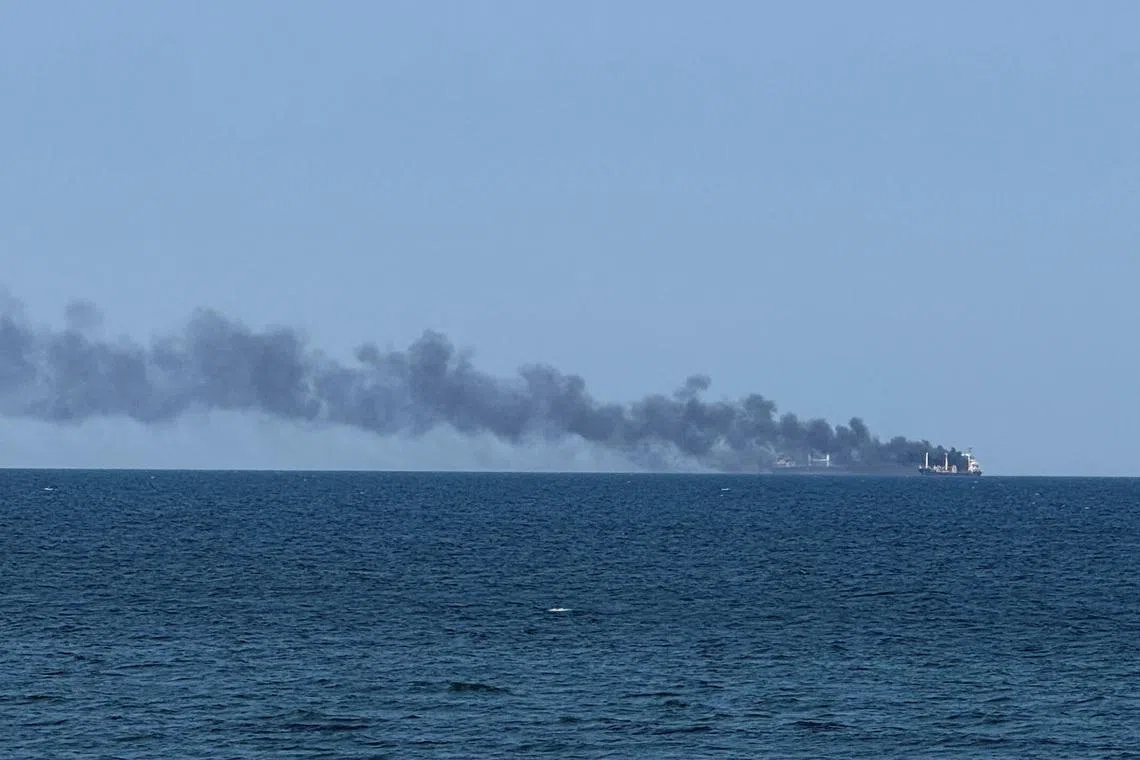
- Ursa Major sank 62 nautical miles off Spain's Murcia coast on 23 December 2024 after three engine-room explosions, killing two of 16 crew members and leaving the wreck at a depth of 2,500 metres.
- The ship's captain admitted to Spanish investigators that cargo officially listed as 'manhole covers' was actually submarine nuclear reactor components, though he said no nuclear fuel was aboard.
- Two ~65-tonne blue containers spotted on the stern in satellite imagery were too large to move by the overland Russia-Kazakhstan-Uzbekistan-Afghanistan route, explaining the 15,000km sea voyage from St Petersburg to Vladivostok.
- A source familiar with the investigation told CNN the Russian captain believed he would be diverted to North Korea's port of Rason to deliver the two reactors.
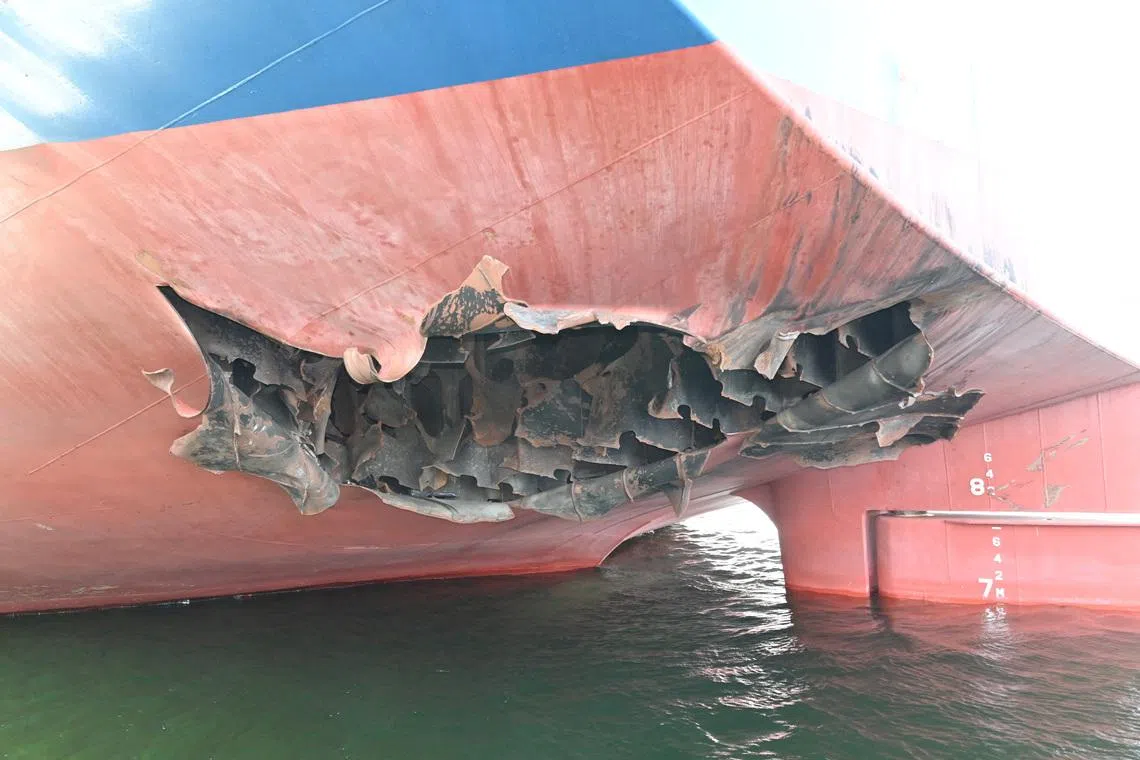
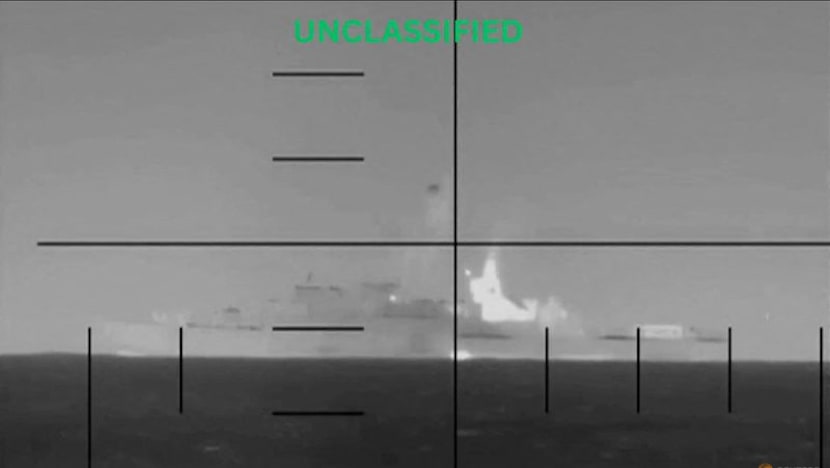
- A 50cm by 50cm hole in the hull with inward-facing damage matches a supercavitating torpedo — a weapon only the US, select NATO allies, Russia, and Iran are believed to possess.
- CNN framed the sinking as potentially 'a rare and high-stakes intervention by a western military' to block a nuclear tech transfer, noting the ship departed two months after Kim Jong-un sent troops to fight in Ukraine.
- US nuclear 'sniffer' aircraft overflew the wreckage twice in the past year, while a Russian spy ship triggered four more explosions in the wreck a week after it sank.
Why it matters: The investigation points to a possible Western military strike using a supercavitating torpedo — a weapon only a handful of states possess — to stop Russia from delivering submarine nuclear technology to North Korea, two months after Pyongyang sent troops to fight in Ukraine. The two confirmed crew deaths, Russia's warship ordering Spanish rescuers to withdraw, and the spy ship's return to blow up the wreckage all suggest a deliberate cover-up of what the cargo actually was.
Ask SkimNews