Russia gives Iran targeting data, raising U.S. strike risk — SkimNews

Get the Geopolitics newsletter
Daily geopolitics — wars, elections, sanctions, the diplomatic moves that move markets. Free.
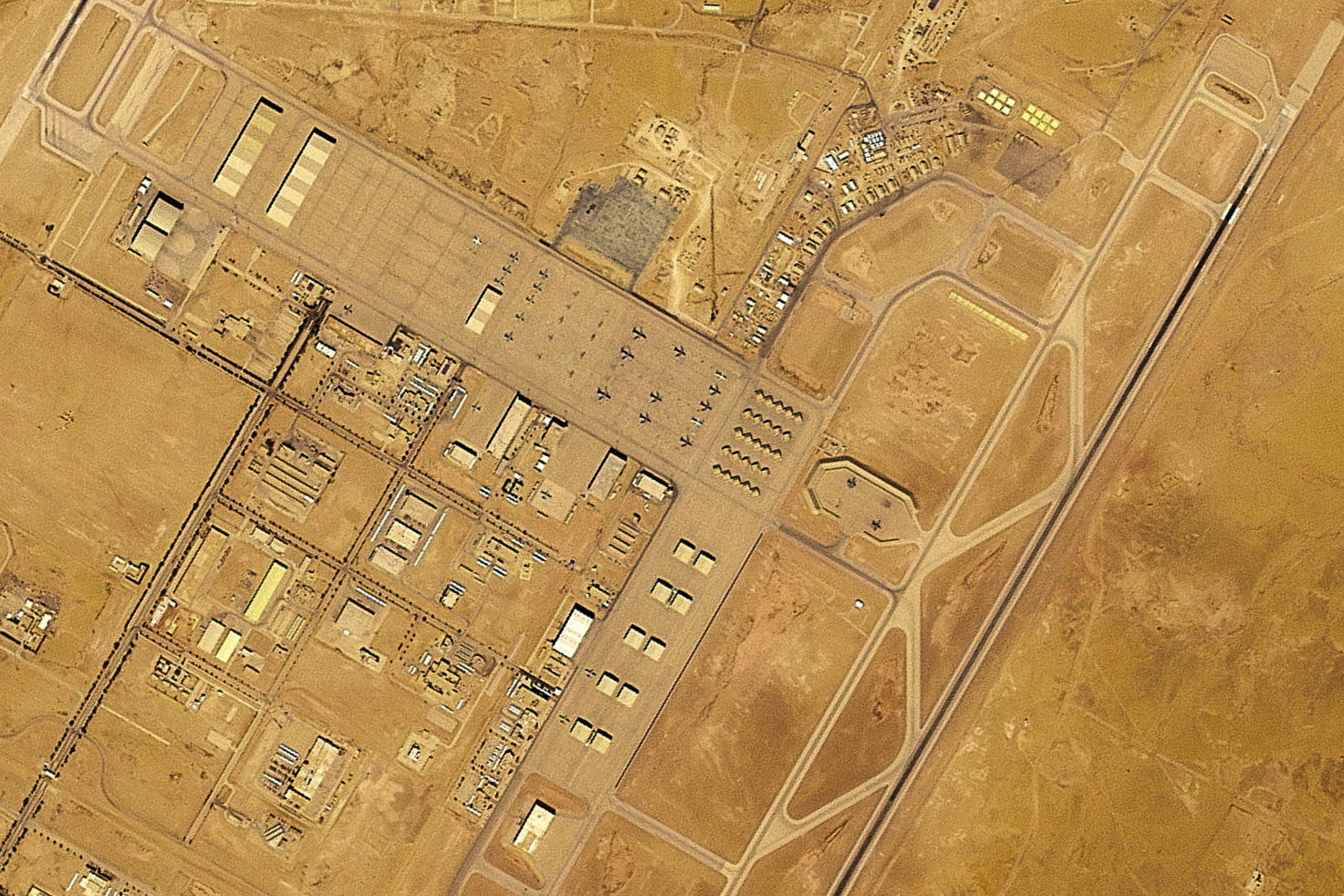
- Russia provided Iran with targeting data on U.S. troops, warships and aircraft in the Middle East, including satellite imagery, marking the first indication of Russia’s indirect involvement in the conflict.
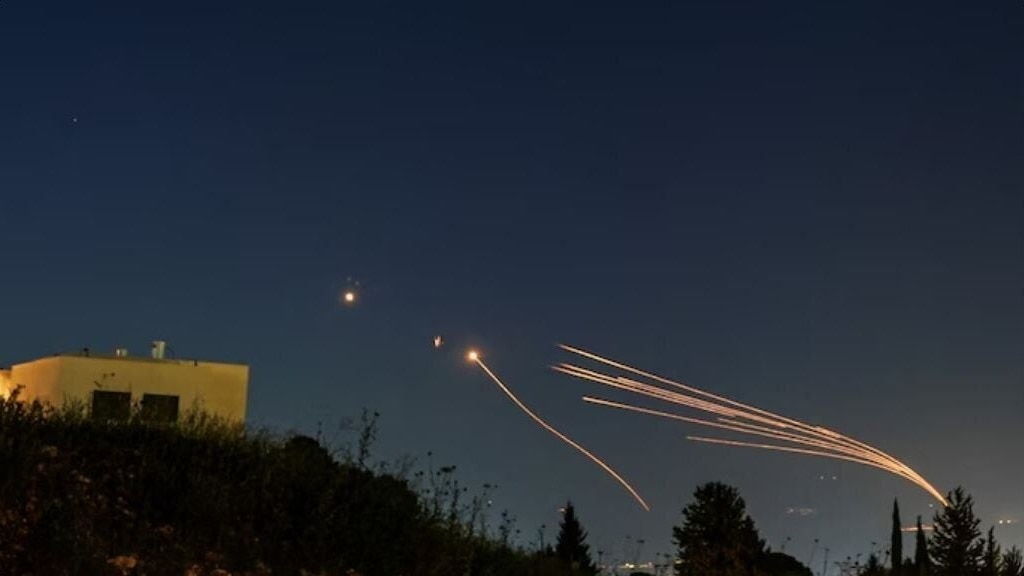
- Iran carried out more precise strikes on U.S. positions, embassies and regional infrastructure, including a Kuwait attack that killed six U.S. service members.
- U.S. Department of Commerce highlighted a Russian‑Iranian effort to establish a Shahed‑139 drone production facility in Yelabuga, Russia, capable of producing 5,500 drones per month.
- U.S. Department of Defense noted that Iran has supplied Russia with Fath‑360 short‑range ballistic missiles, allowing Russia to conserve longer‑range missiles and expand its munitions stockpiles.
- International Institute for Strategic Studies reported that Russia built and launched the high‑resolution Earth‑observation satellite Khayyam for Iran and that Iran launched its Pars‑1 satellite from Russia’s Vostochny Cosmodrome.
- Wall Street Journal reported that Iran attempted a strike on the U.S. Naval Support Facility Diego Garcia with two intermediate‑range ballistic missiles; one failed in flight and the other was intercepted by an SM‑3 missile.
- Politico reported that Russia offered to halt intelligence‑sharing with Iran, including targeting data on U.S. assets, in exchange for the United States cutting off intelligence support to Ukraine, a proposal conveyed by envoy Kirill Dmitriev in Miami and rejected by the U.S.
Why it matters: Iran gains sharper strike capability against fixed U.S. bases, while the United States faces heightened vulnerability in the Middle East and Indian Ocean; Russia secures strategic leverage over both Washington and Kyiv by tying intelligence sharing to broader geopolitical bargaining.
Ask SkimNews