How WWII Paperbacks Transformed U.S. Literacy and Publishing — SkimNews
Get the Geopolitics newsletter
Daily geopolitics — wars, elections, sanctions, the diplomatic moves that move markets. Free.
- Council on Books in Wartime formed after Pearl Harbor to provide books as 'weapons in the war of ideas' and coordinated publishers, editors, and booksellers to supply troops.
- Armed Services Editions were printed in two compact sizes to fit military uniforms, with 122,951,031 copies of 1,324 titles distributed to soldiers and sailors during WWII.
- Raymond Trautman and Stanley Thompson designed the paperback format by modifying rotary presses and printing two books side-by-side, then cutting them in half for efficient production.
- Authors and publishers received 1 cent per copy for Armed Services Editions, a compromise that allowed royalty payments while keeping costs low for the government.
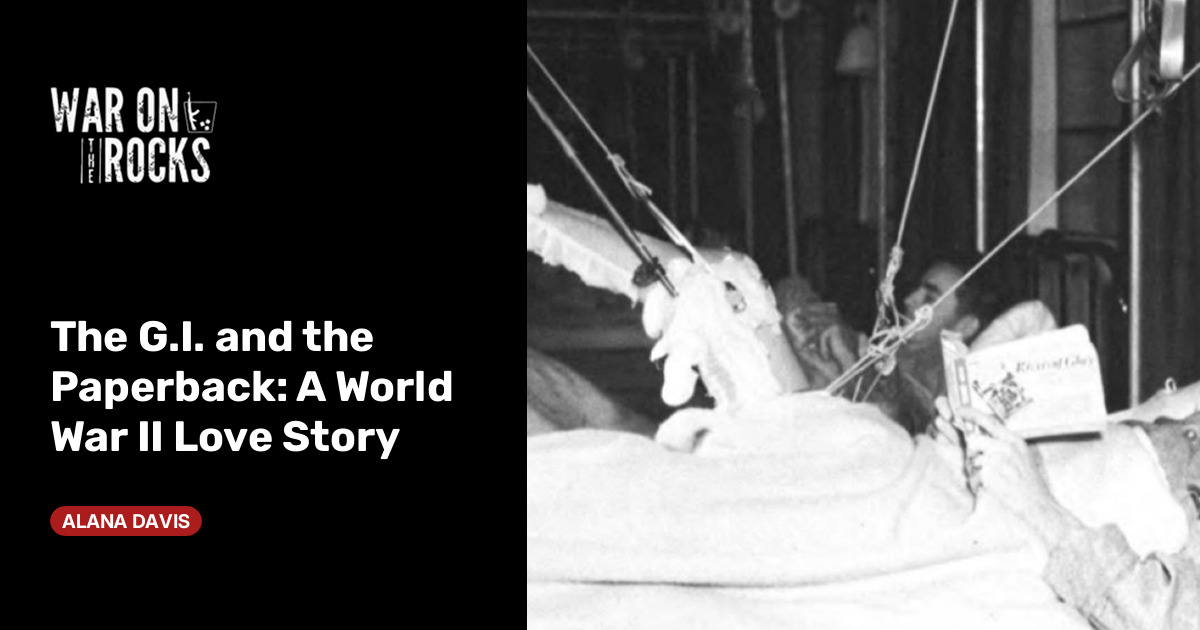
- G.I.s widely embraced the books, trading them like currency and reading them during transit and downtime, with some citing them as 'as popular as pinup girls'.
- One veteran who had never read a full book before the war earned a Ph.D. in literature after being inspired by Helene MacInnes’s While Still We Live in Armed Services Edition format.
- Postwar America saw a surge in paperback sales—over 200 million by 1950—and increased college enrollment, with 2.2 million veterans using the G.I. Bill to attend college.
Why it matters: The Armed Services Editions not only boosted morale during WWII but also expanded literacy and education among veterans, fueling long-term cultural and economic shifts as 50% of 15.6 million returning servicemembers used education benefits, many entering college for the first time.
Ask SkimNews