UK Plans Mass Drone Output Using Ukraine's Battlefield Designs

Get the Geopolitics newsletter
Daily geopolitics — wars, elections, sanctions, the diplomatic moves that move markets. Free.
- UK-Ukraine drone partnership differs from the earlier Storm Shadow decision because long-range drones are cheaper, easier to manufacture, and scalable, unlike the finite cruise missile inventories that capped prior strikes
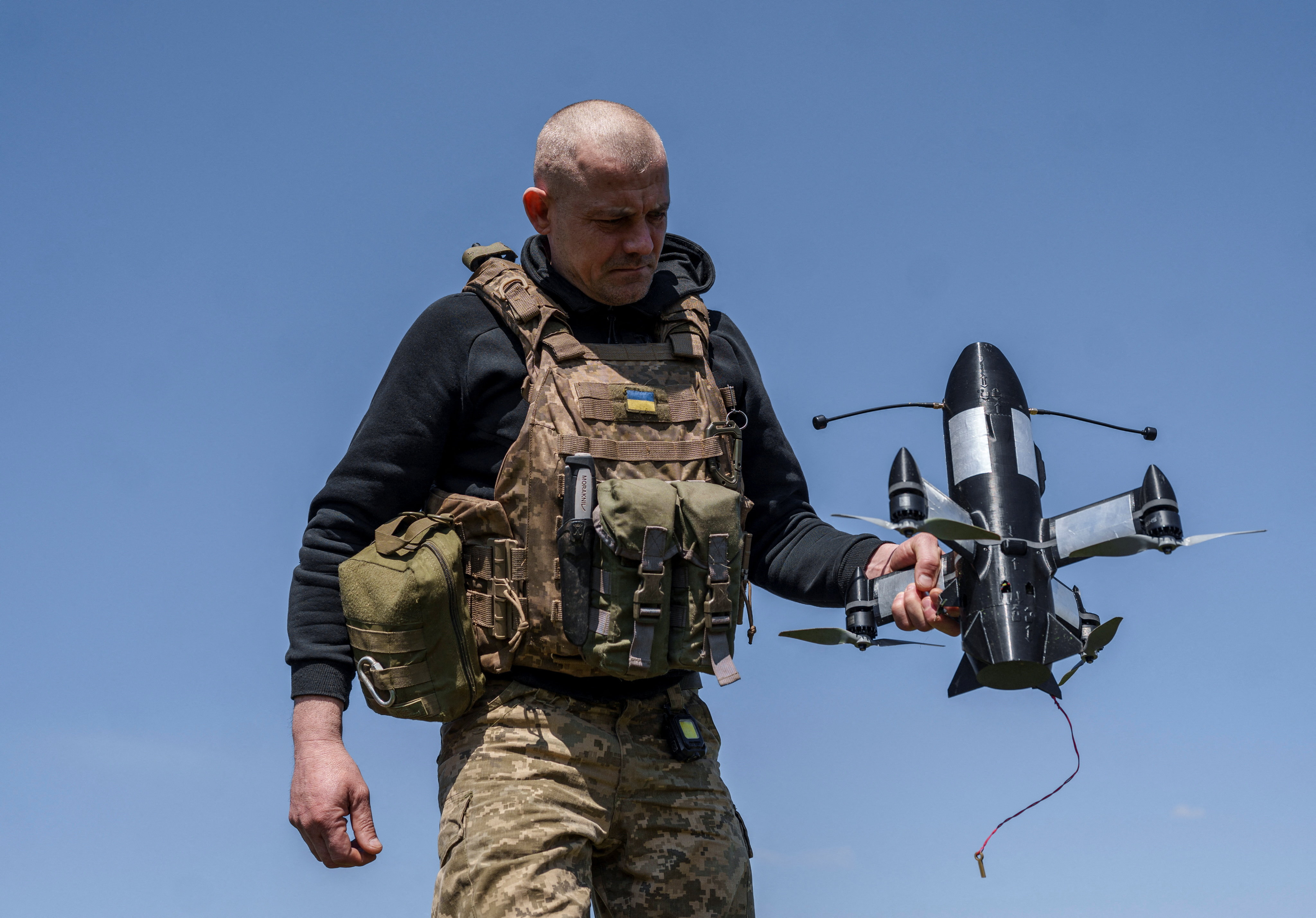
- The UK's portfolio includes the jet-powered Nyan, AR3 (driven by 100+ battlefield upgrades from manufacturer Tekever), K3 Scout, and Octopus—the latter expected to be produced at thousands per month as a counter to Iran's Shahed drones
- The traditional arms-supplier relationship is inverting: Ukraine contributes battlefield-tested designs while Britain provides engineering, industrial capacity, certification, capital, and access to international markets through the Drone Capability Coalition
- Imported drones amount to just 5% of Ukraine's consumption; the UK's announced "biggest ever drone package" totals 150,000 units, far short of Ukraine's 10 million drones it aims to domestically produce this year
- The UK has earmarked only £5 billion across all three military services over four years for uncrewed systems, raising doubts about whether production can match the government's drone-centric strategy including a Royal Navy "hybrid fleet"
- Chinese components remain a structural vulnerability: on August 9, cameras on Royal Navy K3 Scout vessels were found communicating with an IP address in China, highlighting both security and supply-chain risks
- Russia has been accused of sabotage and arson against Ukraine-support facilities including warehouses in east London and logistics infrastructure in Germany, with direct NATO retaliation deemed too risky
Why it matters: If the UK-Ukraine co-production model works, it could let Ukraine sustain mass long-range strikes far more cheaply than with Storm Shadows—but only £5 billion over four years and continued reliance on Chinese components cast doubt on whether either side can overcome those constraints before winter. Russia's likely response, sub-threshold sabotage and arson rather than direct military action, has already hit UK and German infrastructure, meaning the industrial partnership itself becomes a target.
Ask SkimNews