Israel, Lebanon agree ceasefire; Hezbollah must stop — SkimNews

SkimNews Take
The ceasefire's conditional nature, dependent on Hezbollah's actions, suggests a continued proxy conflict even as direct state-level hostilities might pause.
Get the Geopolitics newsletter
Daily geopolitics — wars, elections, sanctions, the diplomatic moves that move markets. Free.
- Israel and Lebanon agreed to a ceasefire that requires a complete cessation of fire by Hezbollah and evacuation of its operatives from southern Lebanon.
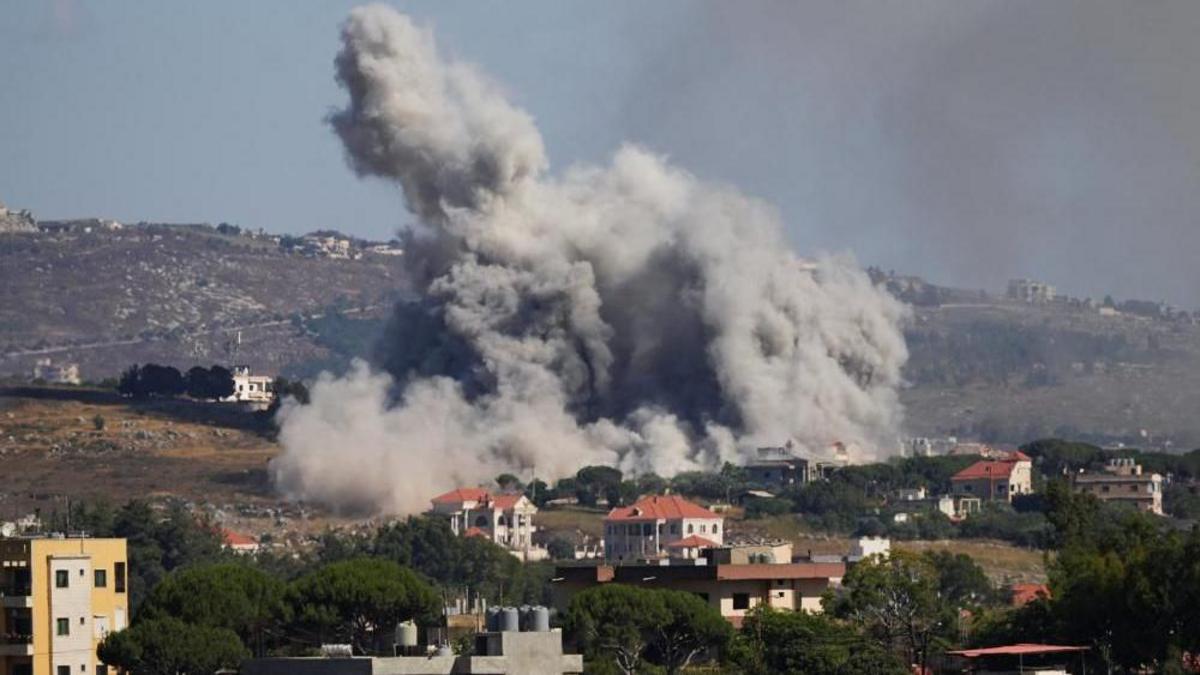
- Hezbollah said it continued to target Israeli troops, while Israeli strikes killed at least nine people in southern Lebanon.
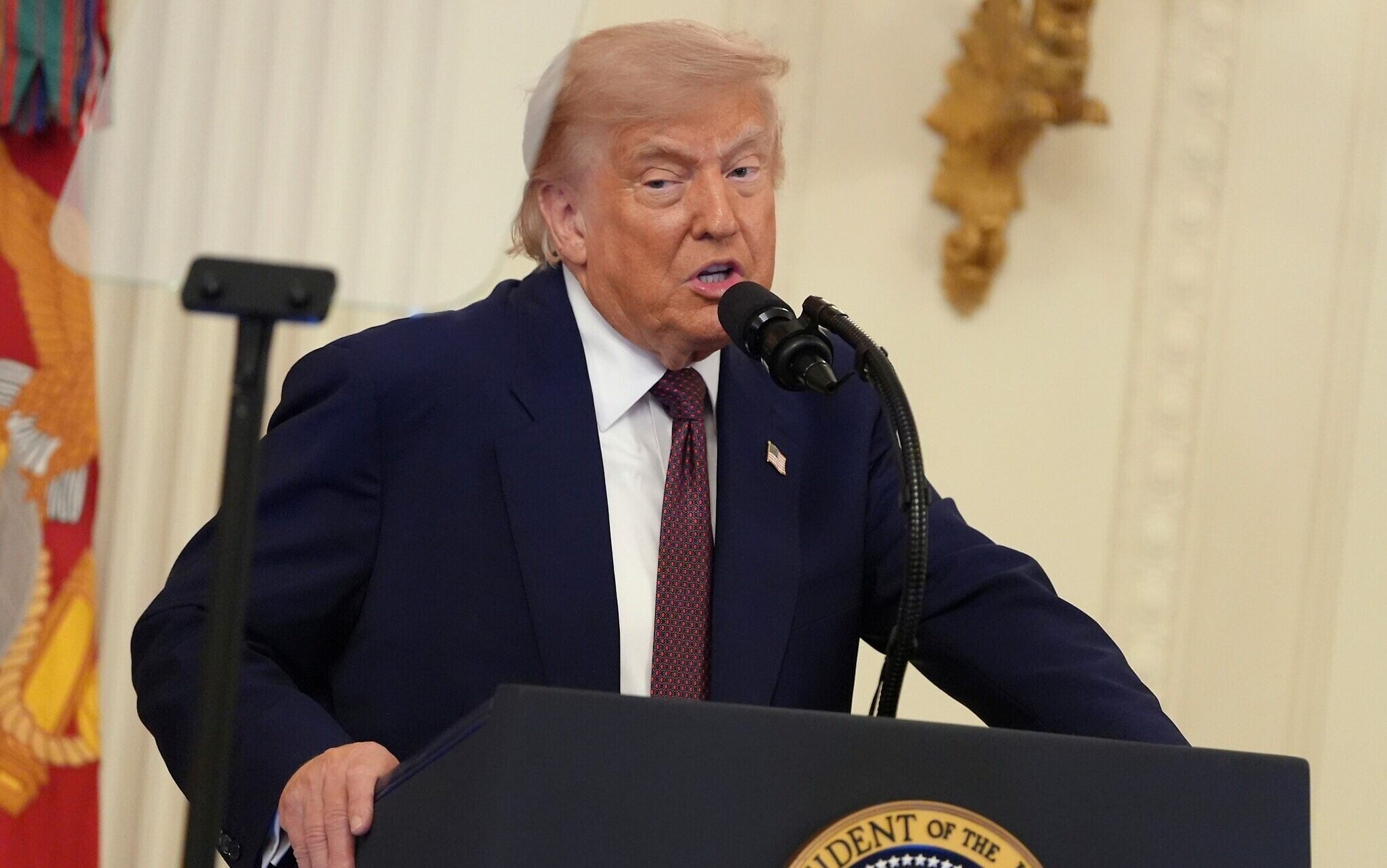
- Donald Trump said he wanted to separate talks on Lebanon from talks on Iran, but later expressed optimism that a deal could be reached “over the weekend.”
- Abbas Araghchi warned that any attack on Beirut would trigger a full‑scale resumption of war and said no tangible progress had been made in negotiations.
- Oil prices fell on June 4, 2026, after the ceasefire agreement boosted hopes for a broader deal, and the U.S. House approved a resolution to curb Trump’s war powers.
Why it matters: The ceasefire opens a path for Lebanon’s civilian population to escape Hezbollah’s fighting, while Israel gains a reduced threat on its northern border; oil price easing signals market relief and the U.S. House resolution curtails Trump’s war‑making authority.
Ask SkimNews