Crypto IPO Market Stalls as Capital Rotates to AI — SkimNews
Get the Finance newsletter
Daily finance — markets, central banks, M&A, the prints that move money. Free.
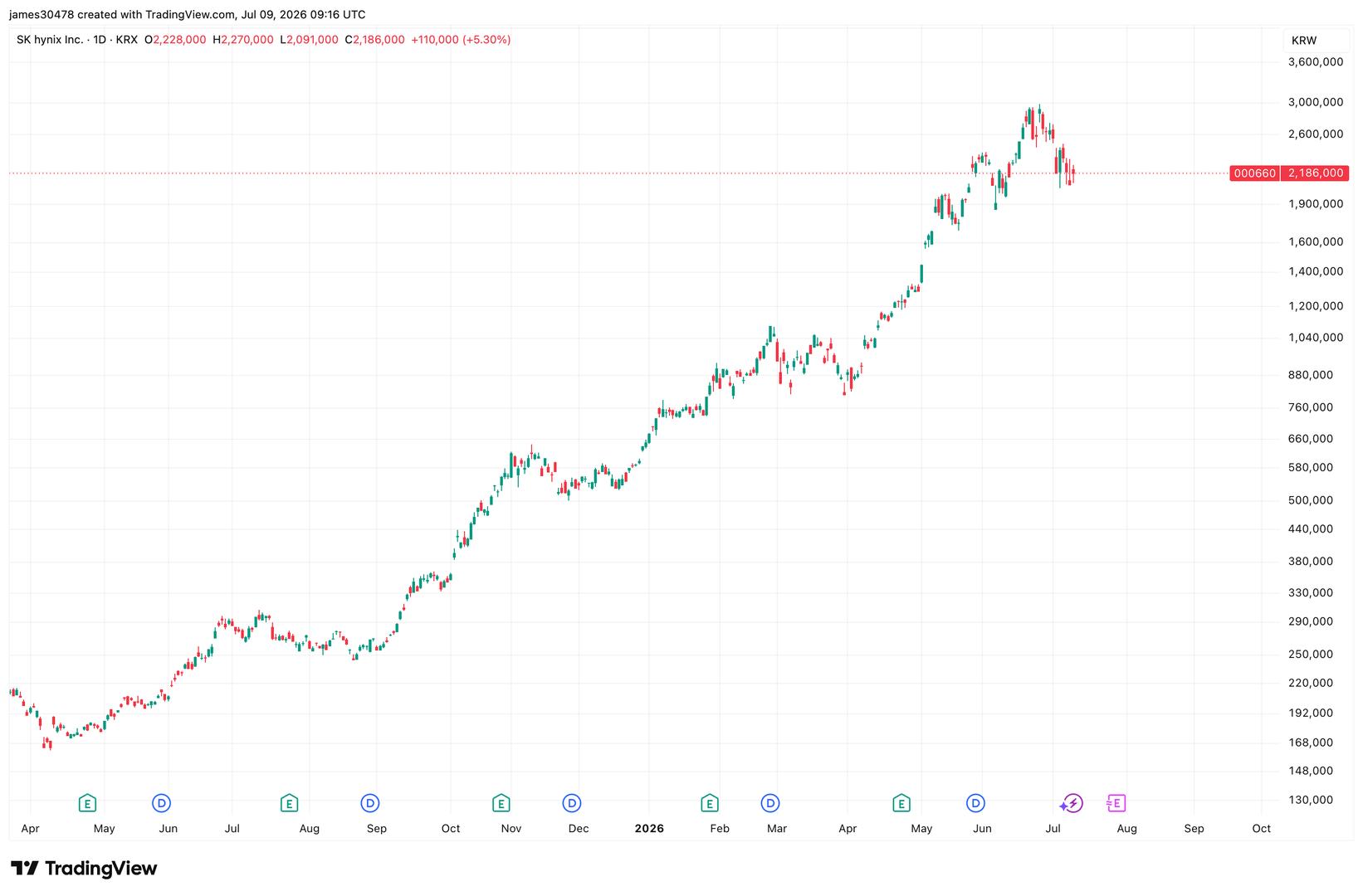
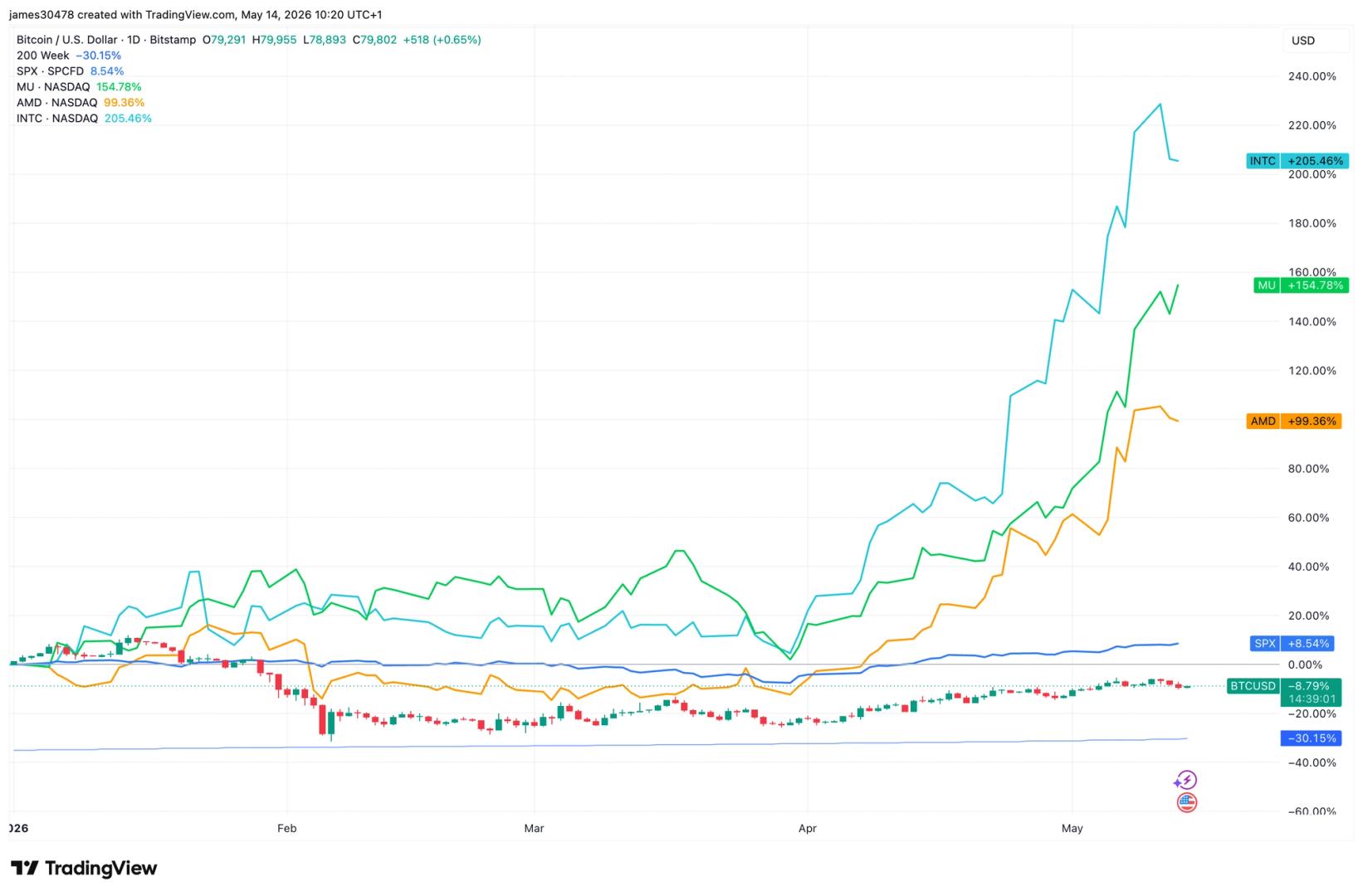
- Christian Lopez, head of blockchain and digital assets at Cohen & Company Capital Markets, says the crypto IPO market has slowed sharply as investors rotate capital into AI and other tech sectors — including the Mag 7 — with even AI equities pulling back recently.
- Last October's liquidity event drained capital from the digital asset ecosystem, per Lopez, and BitGo's (BTGO) disappointing post-listing performance further cooled enthusiasm after successful 2026 listings by Circle (CRCL) and Bullish (BLSH).
- Several major crypto firms — including Payward (Kraken's parent), Consensys, Ledger and Grayscale — have delayed IPO plans; Blockchain.com confidentially filed in May and FalconX filed a draft S-1 with the SEC.
- Macro headwinds are weighing on sentiment, including interest-rate uncertainty, global deleveraging and recent Bank of Japan moves to defend the yen, with Lopez saying the market may not meaningfully reopen for crypto listings until next year.
- Lopez says regulatory clarity is no longer the primary obstacle for crypto IPOs — access to capital is — and points to Kraken's strategy of diversifying beyond crypto trading as the template for public-market readiness.
- Institutional adoption continues regardless: Morgan Stanley, Nasdaq (NDAQ) and the NYSE are building blockchain infrastructure for tokenized settlement, with the industry shifting from T+1 to T+0.
- The OpenUSD network now includes more than 140 financial institutions and payments companies focused on stablecoin infrastructure, and Lopez expects thousands of smaller cryptocurrencies to disappear over the next three to five years.
Why it matters: The bottleneck for crypto IPOs has shifted decisively from Washington to Wall Street — Lopez's claim that 'regulatory clarity is no longer the primary obstacle' reframes the industry's lobbying wins as insufficient against a capital drought that has already sidelined Kraken, Grayscale and Consensys. With Circle and Bullish as the only recent successes and BitGo's post-listing performance weighing on sentiment, the calendar through 2026 looks locked unless rates, yen volatility or risk appetite shift first.
Ask SkimNews