Scarlet Tiger Moths Expanding Range Around English — SkimNews

Get the Energy newsletter
Daily energy & climate — solar, EVs, oil, the policy fights and tech bets shaping the transition. Free.
- Scarlet tiger moths (Callimorpha dominula) observed at the Gatacre allotments near Old Oswestry hillfort have silky-black wings with a green sheen, white and yellow markings, and bright scarlet hindwings.
- The species flies during sunny afternoons from May to July, and Evans reports that this year has been "particularly good" for them.
- Scarlet tiger moths are synanthropic and have been consolidating and expanding their range around the fringes of English towns by widening their diet to include garden plants.
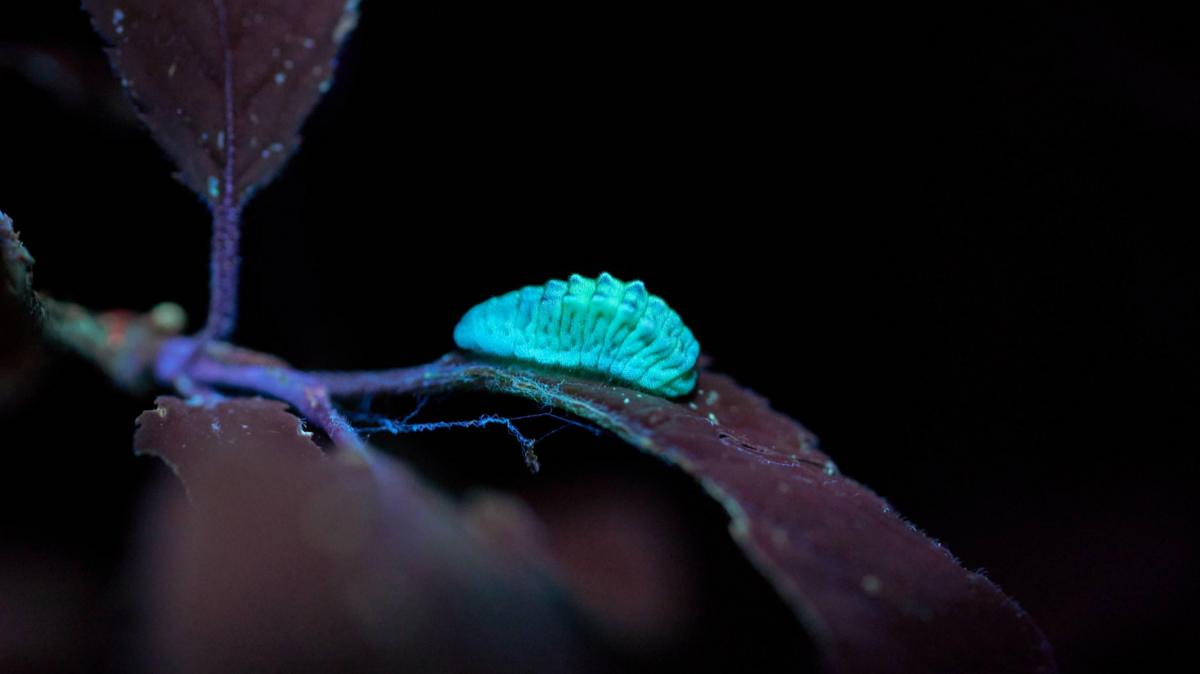
- Comfrey, abundant on the allotments for its traditional use as a fertiliser, is the preferred food of the moths' yellow-and-black-striped caterpillars.
- Soay/Hebridean cross sheep grazing Old Oswestry hillfort — Hen Ddinas, or "Old City" in Welsh — are the closest living descendants of livestock farmed by the Iron Age Cornovii tribe.
- Paul Evans frames the scene as evidence that history "is not exclusive to people," with corvids, sheep, and moths bearing witness across a landscape of a thousand years of occupation until the Roman conquest.
Why it matters: The observation reframes English allotments and town fringes as genuine biodiversity hotspots, with scarlet tiger moths actively expanding their range into cultivated spaces rather than retreating from them. The hillfort context — sheep descended from Iron Age Cornovii livestock sharing ground with corvids and newly-arrived moths — underscores that historical landscapes remain living habitats where wildlife and human presence are inseparable across centuries.
Ask SkimNews