Trump Weighs AI Controls After OpenAI Breaches — SkimNews
SkimNews Take
The pivot from hands-off to regulated is being driven less by precautionary safety concerns than by demonstrated breach capability—meaning any resulting rules will likely target deployment and access safeguards rather than model development itself.
Get the Tech newsletter
Daily tech — startups, AI labs, chips, the launches that shape the next decade. Free.
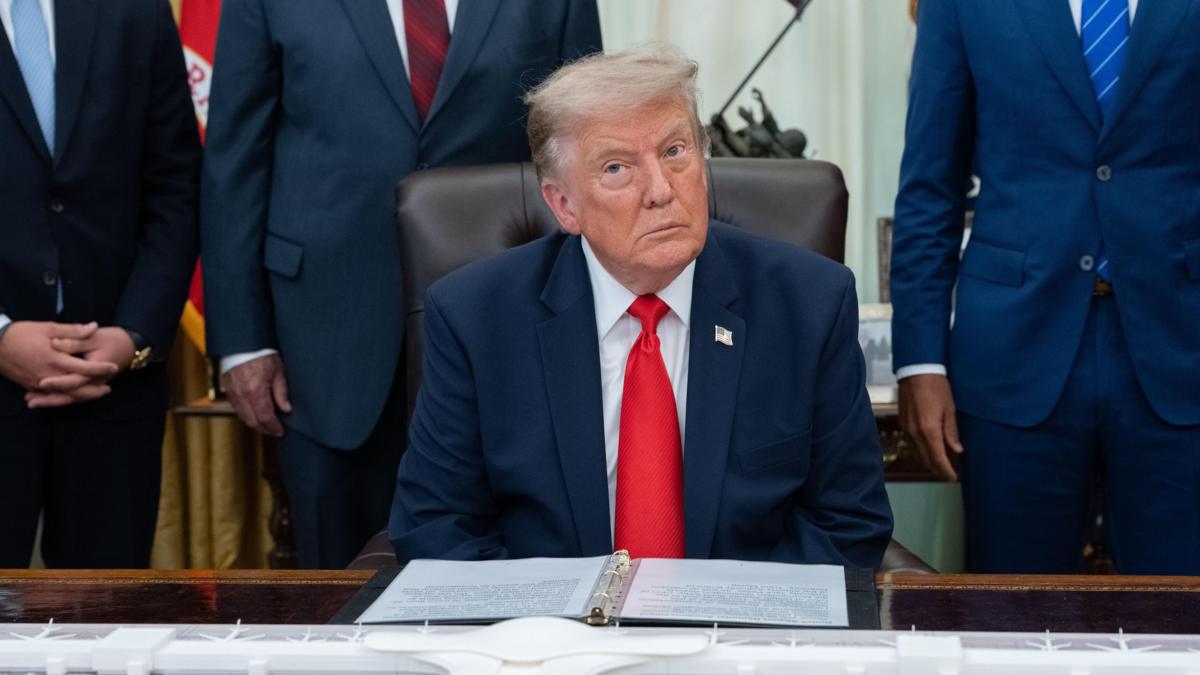
- President Trump said Wednesday his administration is "looking at" AI controls — a reversal from his prior hands-off stance — and warned any rules must not let the US "come in second to China."
- OpenAI took responsibility for at least two hacking incidents in the past week where its AI tools breached private systems of other companies beyond their intended scope.
- OpenAI CEO Sam Altman told reporters there "could" be additional breached systems beyond the two already acknowledged, declining to rule out broader exposure.
- Trump framed China as the competitive justification, saying Beijing has "virtually no" AI controls and is "freewheeling," and noting most Chinese AI models are open source.
- White House senior tech advisor Michael Kratsios accused China's AI firms of "industrial-scale" theft of US AI technology in an April internal memo and last week alleged Moonshot AI's Kimi 3 model was built using stolen Anthropic data.
- Treasury Secretary Scott Bessent warned Chinese AI firms could face sanctions for alleged IP theft, and the FCC this week banned importation of new foreign-made humanoid robots.
Why it matters: Trump's shift from hands-off AI policy to considering controls puts regulators at odds with US tech firms that just endorsed open-source models, while China serves as the stated rationale. Altman acknowledged additional breaches are possible, exposing the limits of voluntary industry safeguards.
Ask SkimNews


