Ear device cuts BP in severe hypertension subgroup — SkimNews
Get the Health newsletter
Daily health & science — research, biotech, public health, the studies worth knowing. Free.
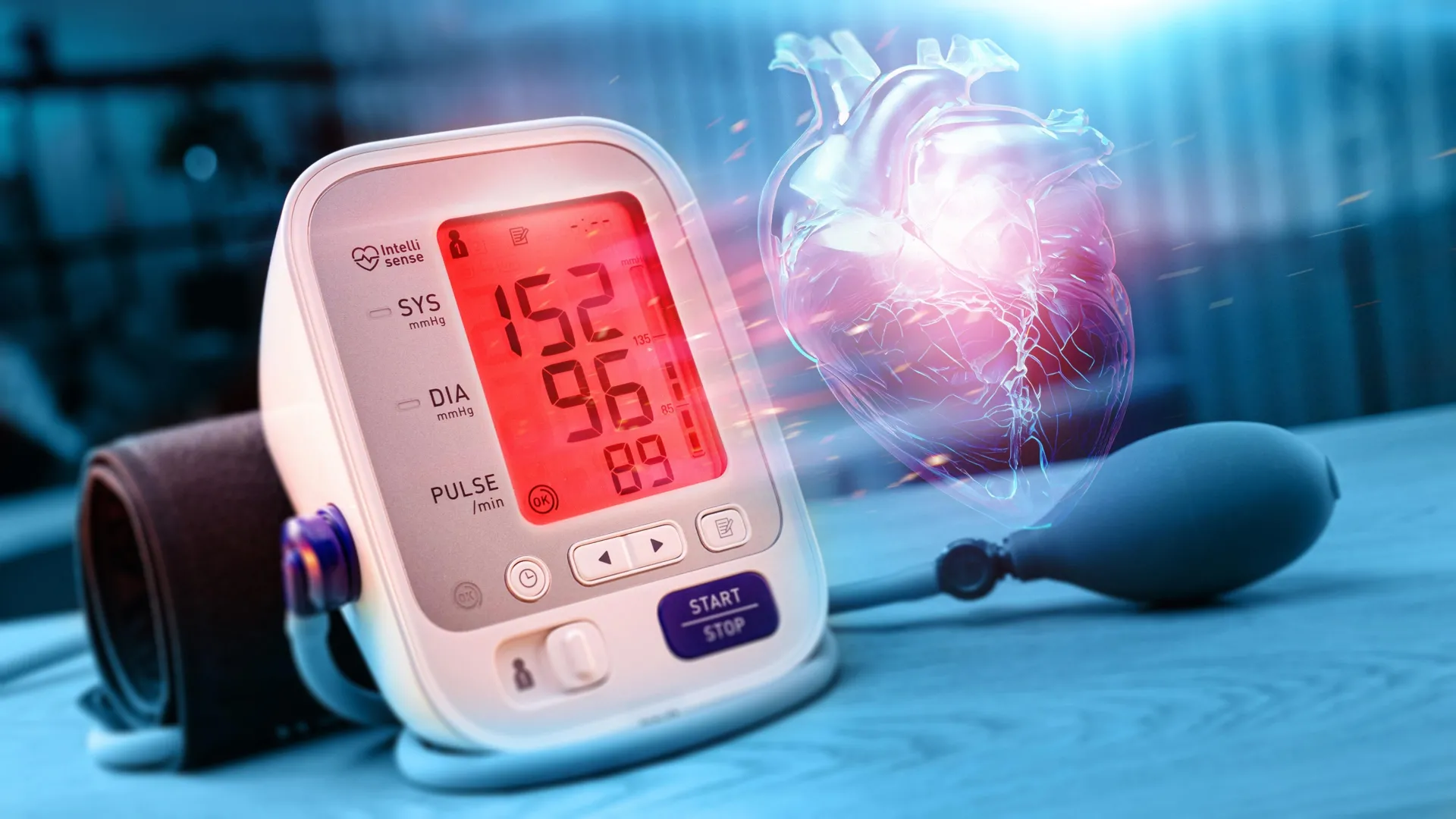
- Queen Mary University of London led the SCRATCH-HTN trial involving 63 patients with uncontrolled hypertension, testing a noninvasive ear nerve stimulation device developed by Afferent Medical Solutions.
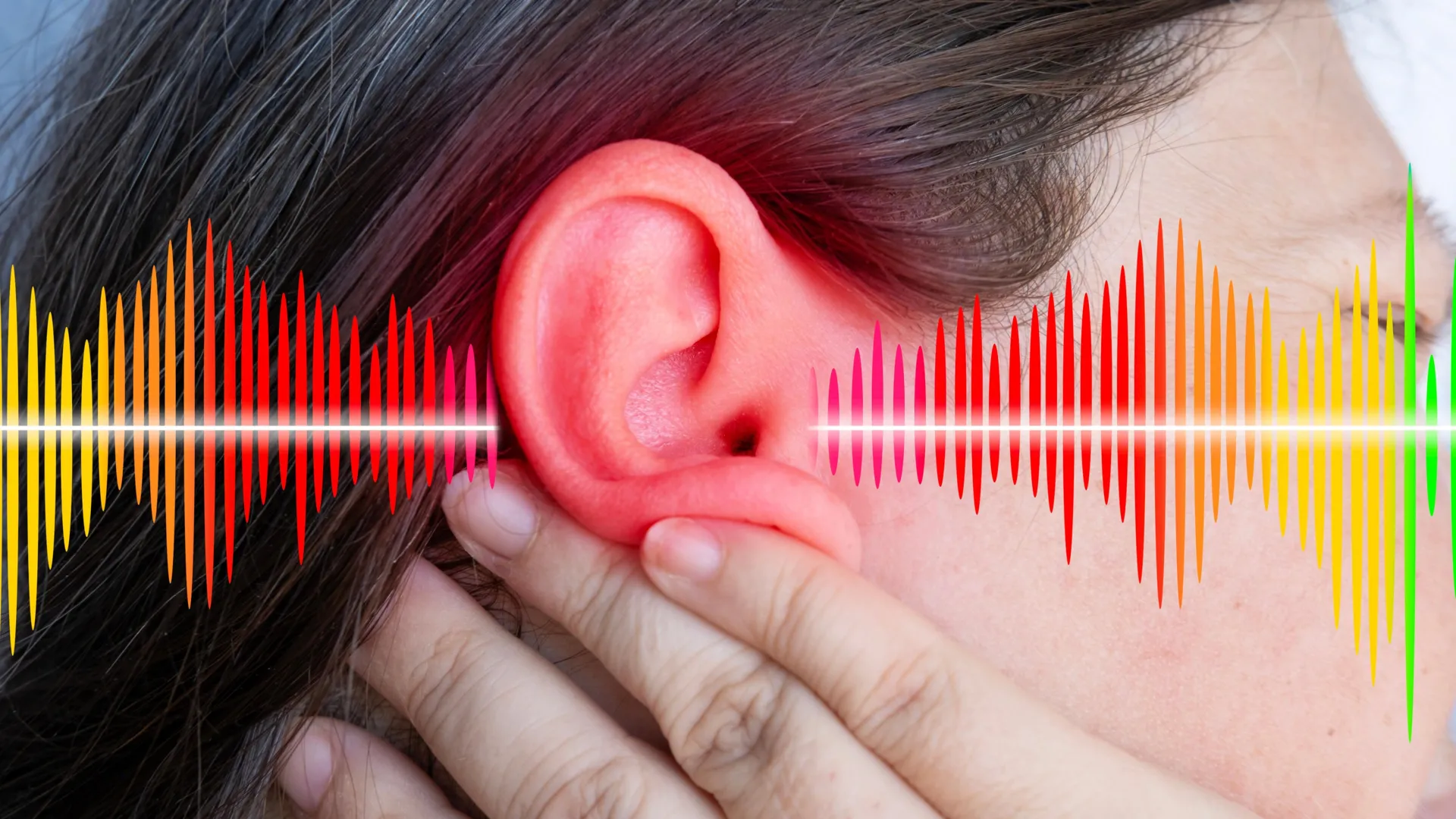
- Afferent Medical Solutions provided the handheld device that delivers transcutaneous autonomic neuromodulation (tAN) via clips on the tragus, allowing at-home use for 30 minutes daily then weekly over 12 weeks.
- SCRATCH-HTN trial results showed the treatment was safe, well tolerated, and feasible for home use, but did not significantly reduce blood pressure across the full group compared to a sham device.
- Prespecified subgroup analysis revealed that patients with more severe hypertension experienced greater blood pressure reductions with active stimulation versus placebo, a finding researchers call promising but preliminary.
- Dr. Ajay Gupta stated the technology is highly patient-acceptable and could become a cheap, scalable solution for millions if future research confirms efficacy in severe cases.
- Larger clinical trials are needed to validate the subgroup findings and determine which patients might benefit most from this noninvasive neuromodulation approach, researchers emphasize.
Why it matters: Millions with treatment-resistant hypertension could gain a noninvasive, low-cost option if future trials confirm the device works for severe cases—though current evidence is limited to a small subgroup. The lack of overall efficacy means widespread use remains uncertain, but the safety and ease of use support further investigation.
Ask SkimNews