Europe, Gulf powers forge Iran diplomacy without U.S — SkimNews
Get the Geopolitics newsletter
Daily geopolitics — wars, elections, sanctions, the diplomatic moves that move markets. Free.
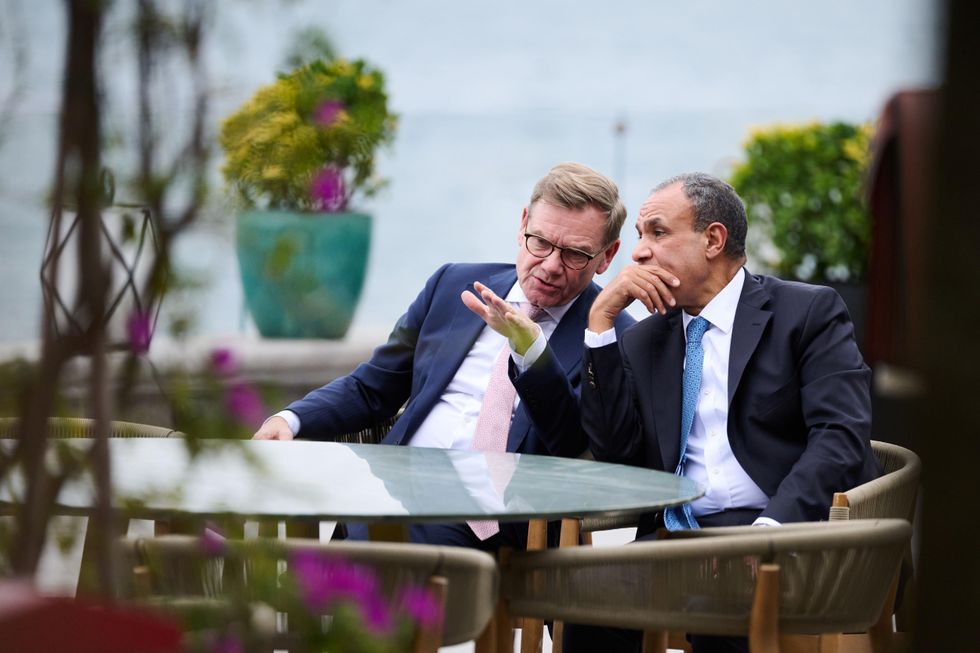
- E4+R4 foreign ministers met in Istanbul on October 23rd to discuss ending the U.S.-Iran conflict, preserving a two-state solution, reopening the Strait of Hormuz, and countering Houthi attacks on Saudi Arabia
- Iran signaled its response to renewed U.S. or Israeli strikes would be far more damaging than past actions, demonstrating reach through Houthi attacks on Saudi infrastructure and Red Sea shipping
- Pakistan, Turkey, and Saudi Arabia held security talks with Iran’s leaders in Tehran three days after the Istanbul meeting, aiming to de-escalate tensions and include Iran in regional diplomacy
- The E4+R4 format combines European diplomatic weight with regional military capacity, creating a potential foundation for a new Middle East security architecture independent of U.S. leadership
- Europe could make future sanctions relief conditional on enhanced IAEA monitoring of Iran’s nuclear program, countering potential U.S.-Iran bilateral deals that weaken oversight
- Regional powers see strategic advantage in deeper cooperation with Europe over Russia, China, or the U.S., particularly for defense modernization, economic recovery, and security partnerships
Why it matters: The U.S. is being sidelined in critical Middle East diplomacy as regional and European powers act to protect their economic and security interests from Trump-driven escalation. Their coordinated efforts could shift the balance of influence, with Europe gaining leverage through conditional sanctions and investment offers that neither Washington nor Beijing can match.
Ask SkimNews



