IUCN Red List: Numbat Recovers as Vent Molluscs Face Mining Threat — SkimNews

Get the Energy newsletter
Daily energy & climate — solar, EVs, oil, the policy fights and tech bets shaping the transition. Free.
- IUCN Red List finds two-thirds of mollusc species found exclusively on deep-sea hydrothermal vents face extinction from deep-sea mining, with the critically endangered snail Lirapex felix directly hit by Indian Ocean mining activity.
- More than 200 mollusc species live only on vents where superheated water reaches 450°C, yet over 30 species are safe because they inhabit marine protected areas such as the Mariana Arc of Fire national wildlife refuge where mining is banned.
- The desert rain frog, which evolved to survive with almost no water by burying itself in sand, is now classed as vulnerable due to diamond mining along the South African and Namibian coast and a surge in exotic pet trade demand after a viral video of its distress squeak.
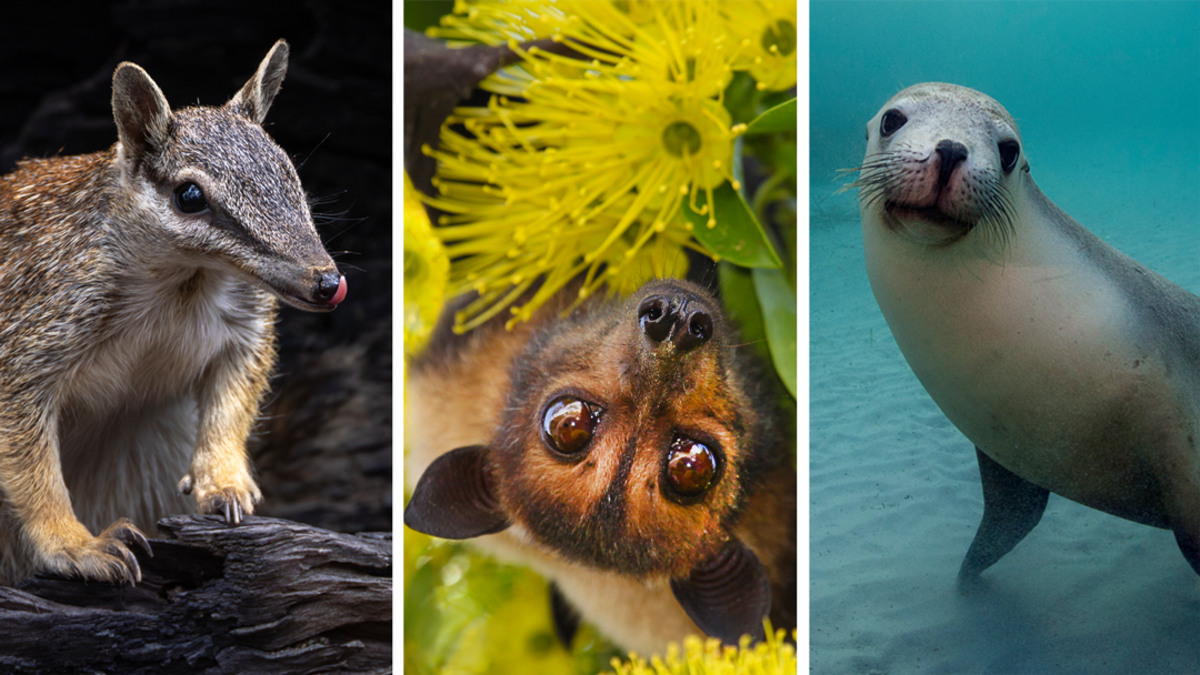
- Australia's numbat has rebounded from roughly 300 individuals in the late 1970s to 2,000–3,000 today, moving from endangered to near threatened after decades of feral cat and fox baiting, predator-proof fencing, and captive breeding at Perth Zoo.
- Five Australian marsupials — the crest-tailed, southern, northern, and little mulgaras, plus the little bettong — are confirmed extinct on the Red List, with no sightings in at least 60 years and feral predators the likely cause.
- Emperor penguins were declared in danger of extinction in an April IUCN update after mass chick drownings caused by climate-driven sea ice melt destroying nesting grounds.
- The IUCN Red List now covers 175,909 species, of which 49,505 are threatened with extinction, with the data arriving as the International Seabed Authority meets in Jamaica this month to debate mining rules.
Why it matters: The update lands as the International Seabed Authority meets in Jamaica this month, giving conservationists hard data to press their 2021 moratorium call. The numbat's recovery (300 to 2,000+) demonstrates that predator control and fencing work, yet the same assessment confirms five Australian marsupials extinct — proof that conservation only succeeds where it's attempted in time.
Ask SkimNews