Dave Richard's 2026 fantasy TE draft guide — SkimNews

Get the Sports newsletter
Daily sports — scores, transfers, the storylines from the leagues you actually follow. Free.
- Trey McBride is Richard's top-ranked tight end for 2026, having finished as the 11th-best overall skill-position player in PPR leagues per-game in 2025 while averaging over 9.0 targets per game in each of the past two seasons.
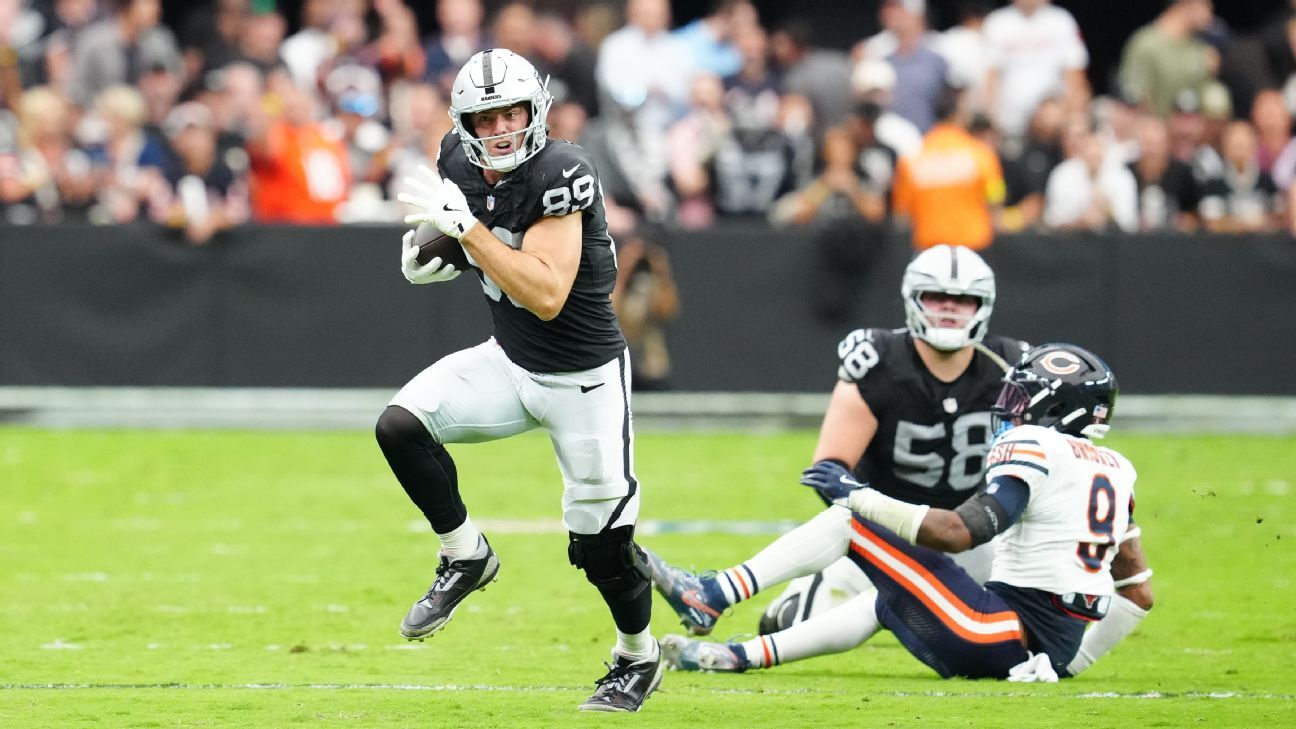
- Brock Bowers is the second elite-tier tight end, with target totals of 8.7 as a rookie and 7.2 last year (injuries a factor), now working with a playcaller Richard notes is known for hyper-targeting his No. 1 field weapon (per Jaxon Smith-Njigba's usage).
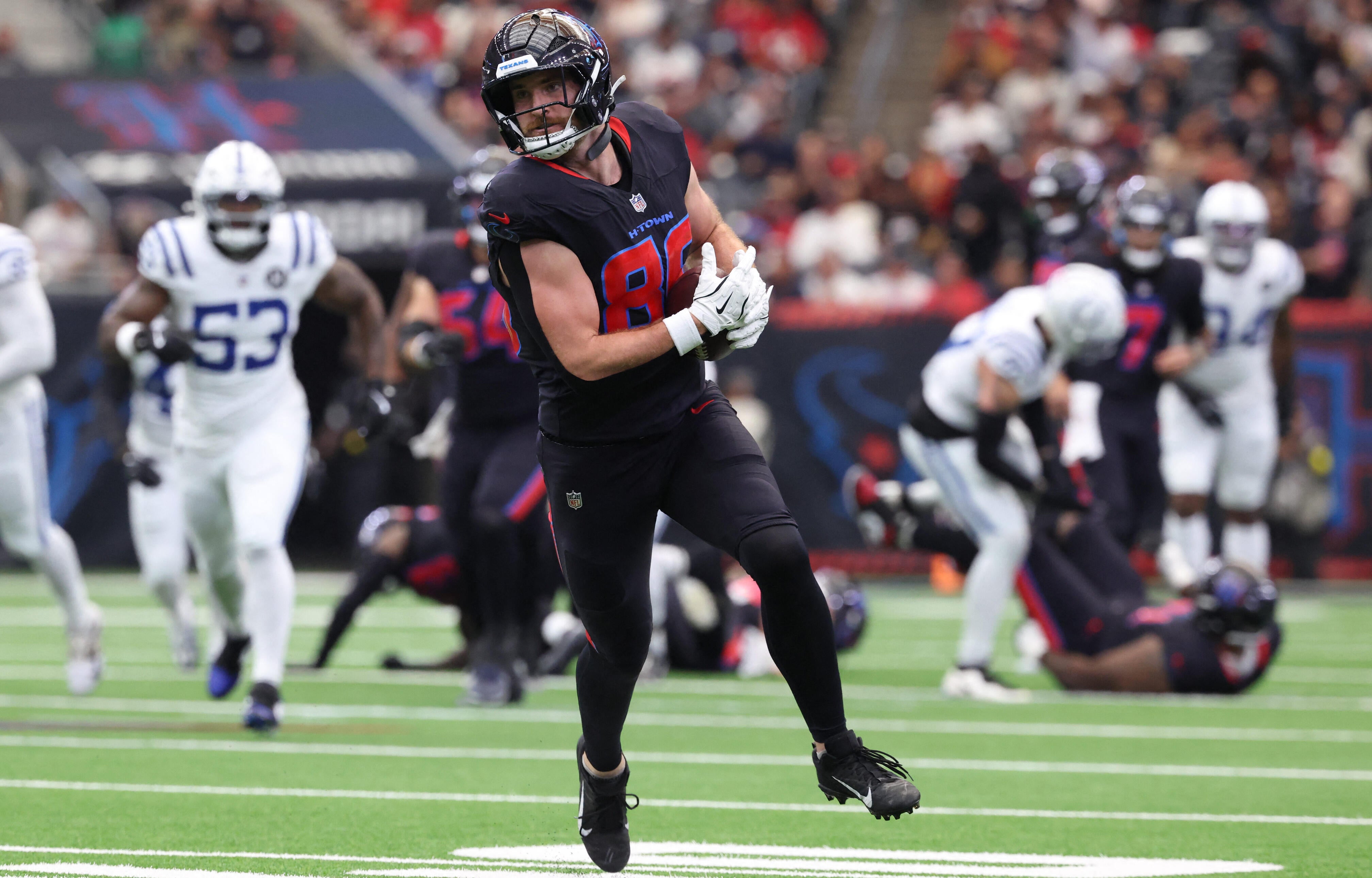
- Colston Loveland is Richard's second-year breakout candidate, having posted a snap rate over 58%, route-run rate over 50%, and averaged 7.0 targets and 13.4 PPR points from Week 7 through the playoffs last season.
- Richard advises skipping tight ends in Round 4, listing Warren, LaPorta, Kraft, Fannin, and Pitts as middle-round options who are safer bets for 11+ PPR points but unlikely to match early-round production — and targets Fannin as the last of that group standing.
- George Kittle is the late-round name to watch; if he returns from his January injury without limitations, Richard projects him as a middle-round pick rather than a late one, with solid long-term value even if he starts the season sidelined.
- League-size adjustments drive Richard's strategy: in 14+ team formats he prioritizes tight ends over quarterbacks because TE is the shallowest position, while in TE-premium leagues the elite tier jumps into Round 1/2 territory.
- Richard's tight end checklist requires at least six targets per game (seven-plus premium), top-two target share on his team, some speed or after-catch ability, and 10+ PPR / 8+ half-PPR / 7+ non-PPR points per game.
Why it matters: Richard's framework lets fantasy drafters avoid burning early picks on a volatile position — the checklist (6+ targets, top-2 team target share, 10+ PPR points) is a filter that, applied to mid-round names like Fannin or late-round options like Kittle, can surface starters without sacrificing a Round 3 or 4 pick. The league-size calculus is the real edge: in 14-team or TE-premium formats, the position's scarcity flips the calculus, making McBride or Bowers a Round 2-3 staple rather than a luxury.
Ask SkimNews