Trump Hunts 'Leakers' as US Munitions Hit 'Dangerously Low' — SkimNews

Get the Geopolitics newsletter
Daily geopolitics — wars, elections, sanctions, the diplomatic moves that move markets. Free.
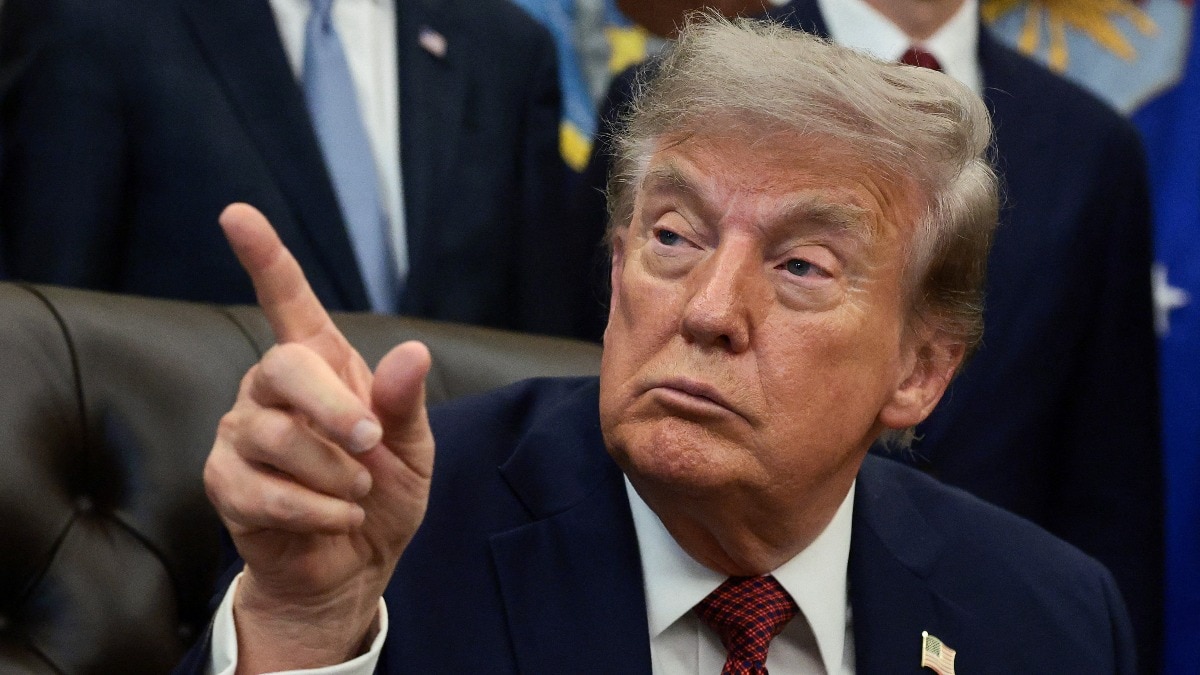
- Trump vowed to find "leakers" and seek "long-term jail sentences" after reports documented severe US munitions depletion during the five-month war on Iran, which began February 28.
- Reuters and CBS News reported the military has burned through nearly all of its offensive Army Tactical Missile Systems (ATACMS) and Precision Strike Missiles (PrSM), a depletion experts said could force reliance on more perilous close-range and aerial attacks.
- CNN reported the US has depleted 80% of its pre-war THAAD interceptors and roughly half of its Patriot interceptors, with sources calling levels "dangerously low"; only Japan and Germany hold Patriot production licenses, and no other country produces THAAD interceptors.
- CSIS calculated on July 27 that the military retains just over a third of its Patriot interceptors and about half of its THAAD interceptors, with experts warning at least three years are needed to replenish pre-war stocks.
- Trump confronted Defense Secretary Pete Hegseth at Camp David last week over munitions shortages, per the Washington Post; Hegseth reportedly blamed Deputy Secretary of Defense Stephen Feinberg, and Trump called the story "fake" and "treasonous" while several Republican lawmakers expressed increasing dismay over Hegseth's Pentagon leadership.
- Retired Marine Colonel Mark Cancian of CSIS told Al Jazeera that low interceptor levels are already damaging US deterrence against military powers like China and that "there are no good substitutes" if Patriots run out.
- Three US soldiers were killed in an Iranian strike on a military base in Jordan on July 17, underscoring the consequences of the military's more judicious approach to missile interceptions amid the shortage.
Why it matters: The US faces dangerously low air-defense missile stocks after five months of war on Iran, with no substitutes and a three-year replenishment timeline — already degrading deterrence against China, per CSIS's Mark Cancian. Three soldiers were killed in a July 17 Iranian strike on a Jordan base, and Hegseth's position appears increasingly vulnerable as Republican lawmakers voice dismay.
Ask SkimNews