Indonesian Fires Threaten Borneo Orangutan Research Camp — SkimNews

Get the Energy newsletter
Daily energy & climate — solar, EVs, oil, the policy fights and tech bets shaping the transition. Free.
- Wildfires burning within 200 metres of Rangkong research station now threaten Cabang Panti research station in Gunung Palung National Park, home to a 32-year continuous study of wild orangutans led by Prof Cheryl Knott of Boston University.
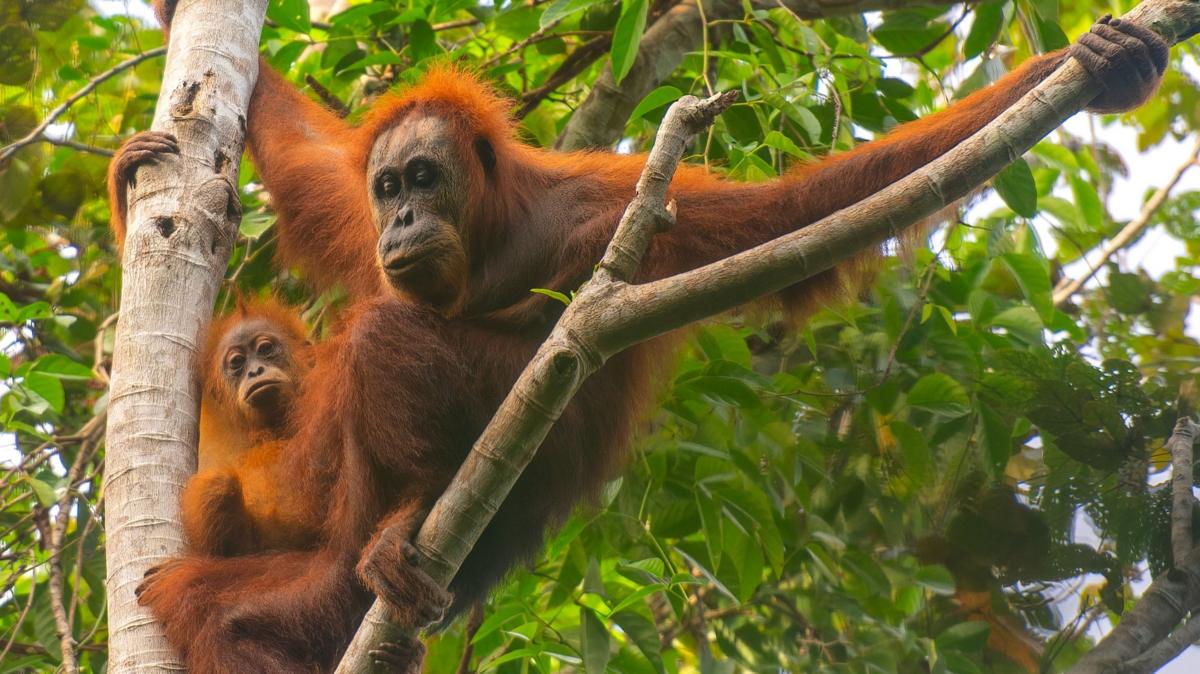
- More than 2,500 Bornean orangutans inhabit the park and all three orangutan species are critically endangered; five individuals from the long-term study population were observed fleeing the flames, some only metres away.
- Intentionally set land-clearing fires have been supercharged by an extremely strong El Niño, leaving parts of West Kalimantan province with months of little to no rainfall; Indonesian meteorologists predict the intense fire season will persist through October.
- Scientists estimate that without intervention or large firebreaks, the fires will reach Cabang Panti in 20 days; a team of more than 40 field assistants, staff and local villagers is fighting the blaze around the clock with firebreaks and an improvised sprinkler system built from a punctured hose line.
- Research at Cabang Panti established that orangutans have the longest reproduction cycle of any mammal — giving birth only once every eight years — meaning habitat disruption could have outsized demographic consequences for a slow-reproducing species.
- Caitlin O'Connell, deputy director of the Gunung Palung orangutan conservation programme, said the crisis has surpassed local capacity: "We need large-scale water bombing and skilled firefighters."
- Peat swamp fires can smoulder underground for months even after surface flames are extinguished, making wet-peat defence critical — and meaning even a successfully defended station could still lose the forest the orangutans depend on.
Why it matters: Cabang Panti holds one of the only uninterrupted long-term field datasets on wild orangutans anywhere, including the discovery of the eight-year reproductive cycle — the longest of any mammal. If the fires reach the station within the 20-day window scientists estimate, both that irreplaceable dataset and the habitat of more than 2,500 critically endangered apes could be lost, with no realistic option to relocate animals that need vast, intact forest ranges.
Ask SkimNews