Indonesian wildfires threaten leading orangutan research site in Borneo — SkimNews

Get the Energy newsletter
Daily energy & climate — solar, EVs, oil, the policy fights and tech bets shaping the transition. Free.
- Wildfires in Indonesia's West Kalimantan province have burned within 200 metres of Rangkong research station, a satellite of Cabang Panti research station about four miles away in Gunung Palung national park, with scientists estimating fires could reach Cabang Panti in 20 days without intervention.
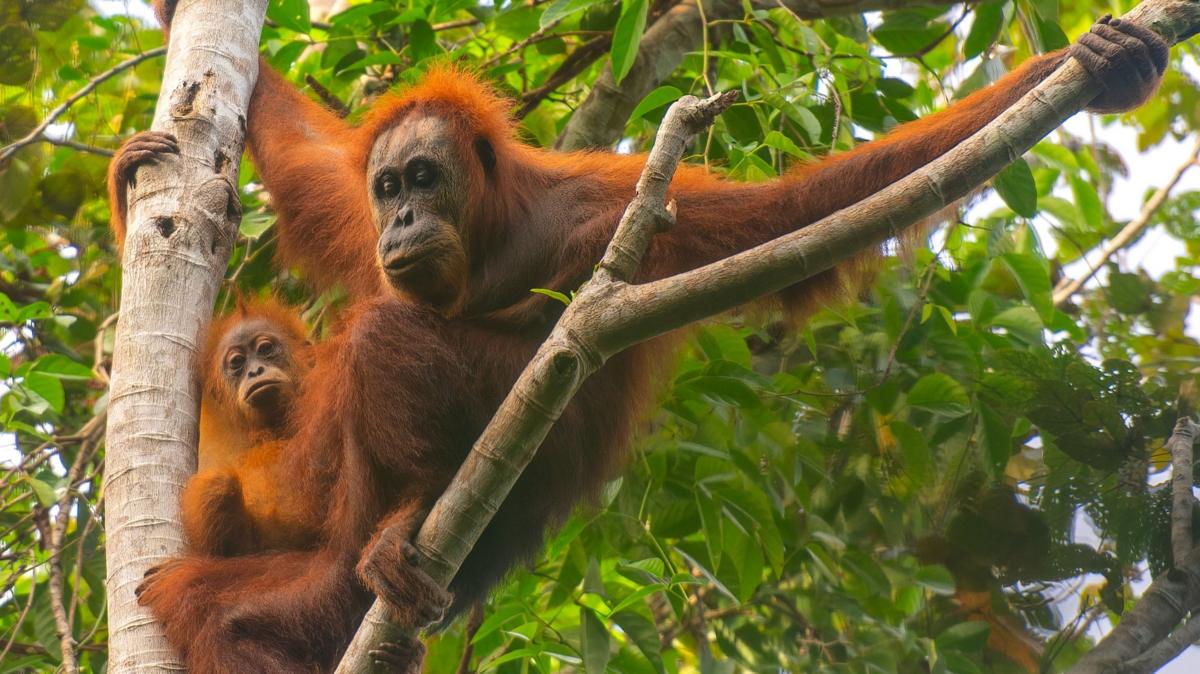
- Gunung Palung national park is home to more than 2,500 Bornean orangutans (Pongo pygmaeus), one of three critically endangered orangutan species, and protects one of the last ecologically intact tracts of lowland tropical rainforest in Borneo, according to Prof Andrew Marshall of the University of Michigan.
- Prof Cheryl Knott of Boston University has led orangutan research at Cabang Panti for 32 years, producing an "unparalleled" long-term database that established the species' eight-year reproduction cycle — the longest of any mammal — with some individuals followed from birth to grandmotherhood.
- A team of more than 40 people — mostly field assistants, staff, and local villagers — are fighting the fires day and night around Rangkong station, building firebreaks and an improvised sprinkler system using a punctured hose line to saturate surrounding peat, which can smoulder underground for months once ignited.
- Wahyu Susanto, research director at Indonesian NGO Yayasan Palung, reported that five orangutans from the long-term study population were observed fleeing the fires, some only metres from the flames.
- Caitlin O'Connell, deputy director of the Gunung Palung orangutan conservation programme, said the crisis has "surpassed any local organisation's capacity" and called for large-scale water bombing and skilled firefighters.
- Indonesian meteorologists forecast an intense fire season persisting through October as El Niño conditions strengthen, with West Kalimantan areas going months with little to no rainfall and intentional land-clearing burns escaping control under the exceptionally hot, dry conditions.
Why it matters: The Cabang Panti site holds 32 years of irreplaceable, continuously collected orangutan data — the source for discovering the longest mammalian reproduction cycle on record — and could burn within 20 days, jeopardizing 2,500 critically endangered Bornean orangutans in one of Borneo's last ecologically intact lowland rainforests.
Ask SkimNews