China's SLBM Test Near Tuvalu: Routine or Provocation? — SkimNews

SkimNews Take
Submarine-launched tests are infrequent enough that their public disclosure functions as a deterrent signal—highlighting China's push to validate a sea-based second-strike capability, not merely demonstrate missile reach.
Get the Geopolitics newsletter
Daily geopolitics — wars, elections, sanctions, the diplomatic moves that move markets. Free.
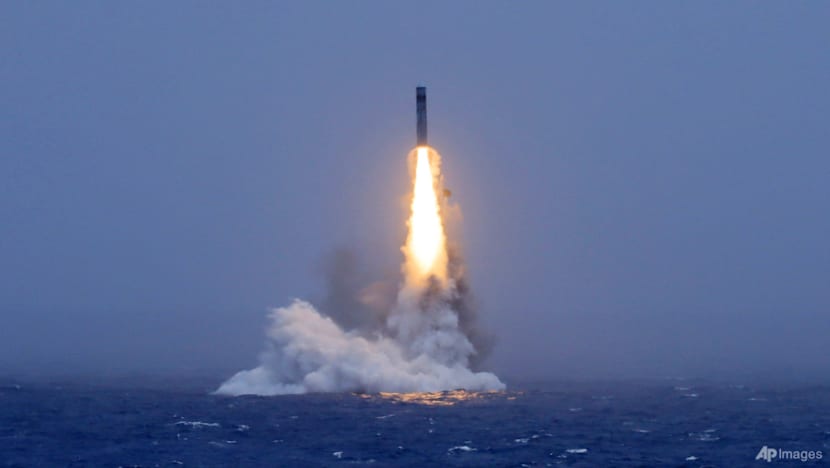
- China's navy test-fired a submarine-launched ballistic missile carrying an inert dummy warhead on July 6 into international South Pacific waters, believed to have splashed down near Tuvalu, coinciding with the start of China's annual joint naval exercises with Russia.
- Beijing described the launch as a "routine part of China's annual military training program," said it was not directed at any country or target, and claimed other countries had been notified in advance.
- Australia, New Zealand, Taiwan, and Japan reacted with pointed concern, with Australian Foreign Minister Penny Wong calling the test "destabilizing" and Canberra complaining it received only hours of notice — which it says is "not consistent" with the Hague convention on ballistic missile testing.
- The US, UK, Russia, France, and India all periodically conduct similar tests of unarmed strategic ballistic missiles, and the article argues SLBMs exist specifically to provide a credible second-strike capability against major nuclear powers — not to intimidate middle or small Pacific states.
- Commentators linked the test's timing to a new Australia-Fiji defense pact signed the same day, viewing the launch as a reminder of China's missile reach, though author James Dwyer (University of Tasmania) notes a strategic bomber flight or carrier group would be cheaper and more effective if intimidation were truly the goal.
Why it matters: The alarm this test triggered in allied capitals is less about the missile than about who fired it. Every other nuclear power — including US allies — runs comparable SLBM tests without controversy, and the source notes the weapons serve a second-strike function aimed at peer nuclear powers, not Pacific Island nations. The asymmetry in reception signals how Beijing is now being read as a potential adversary rather than assessed on the technical merits of its launch.
Ask SkimNews