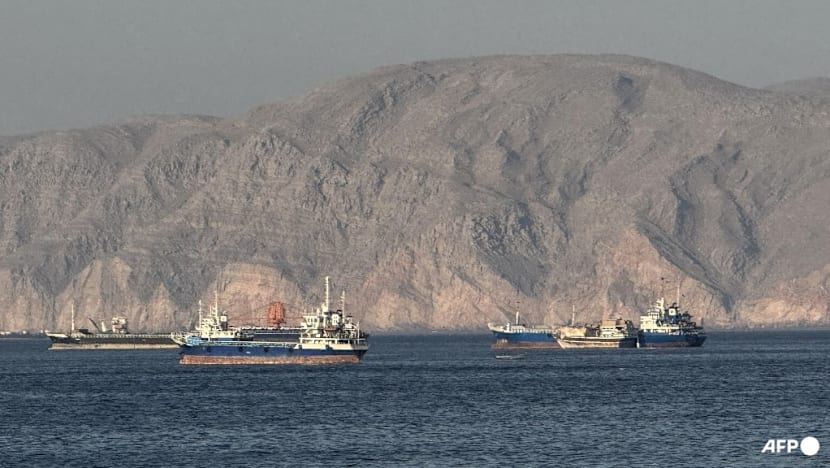
U.S. Demands Iran Publicly Declare Strait of Hormuz Open — SkimNews

Get the Geopolitics newsletter
Daily geopolitics — wars, elections, sanctions, the diplomatic moves that move markets. Free.
- The U.S. is demanding Iran issue a public statement declaring the Strait of Hormuz is open and that ships won't be attacked, per senior U.S. officials who spoke July 10, 2026, adding that internal power struggles in Tehran have made a deal difficult to reach and maintain.
- Iran insists the Strait must be under its sole control and that vessels should pay fees to Tehran, with UN Ambassador Amir Saeid Iravani declaring that any external interference "would violate the interim deal" and jeopardize maritime safety.
- Trump declared the interim ceasefire "OVER!" on social media Friday, even as officials said the U.S. would continue talks and that he has "a wide range of options" if negotiations collapse.
- Unclaimed airstrikes hit southern Iran Thursday just as the country prepared to bury late Supreme Leader Ayatollah Ali Khamenei, who U.S. and Israeli strikes killed at the start of the war; Iran responded by firing at Bahrain, Jordan, Kuwait, and Qatar, hurting one person in Kuwait.
- Iranian lawmakers warned the UAE would "pay the price" for its alleged cooperation with the U.S., while Iranian Foreign Minister Abbas Araghchi prepares to meet his Omani counterpart Saturday in Oman to discuss the strait, with Turkey's Hakan Fidan saying he believed "a solution can be reached" this weekend.
- About a fifth of all traded oil and natural gas passed through the Strait before the war began February 28, though oil prices have sharply dropped from wartime highs of $120 a barrel.
Why it matters: Control of the Strait of Hormuz — through which roughly a fifth of global oil and gas flows — is now the explicit precondition for any lasting U.S.-Iran deal. Iran's demand for sole control and shipping fees directly collides with the U.S. insistence on free passage, with officials warning Trump has "a wide range of options" if Tehran refuses to publicly affirm the corridor's openness, keeping global energy flows hostage to internal Iranian factional fighting.
Ask SkimNews