When gunning for regime change, be careful what you shoot for — SkimNews

Get the Geopolitics newsletter
Daily geopolitics — wars, elections, sanctions, the diplomatic moves that move markets. Free.
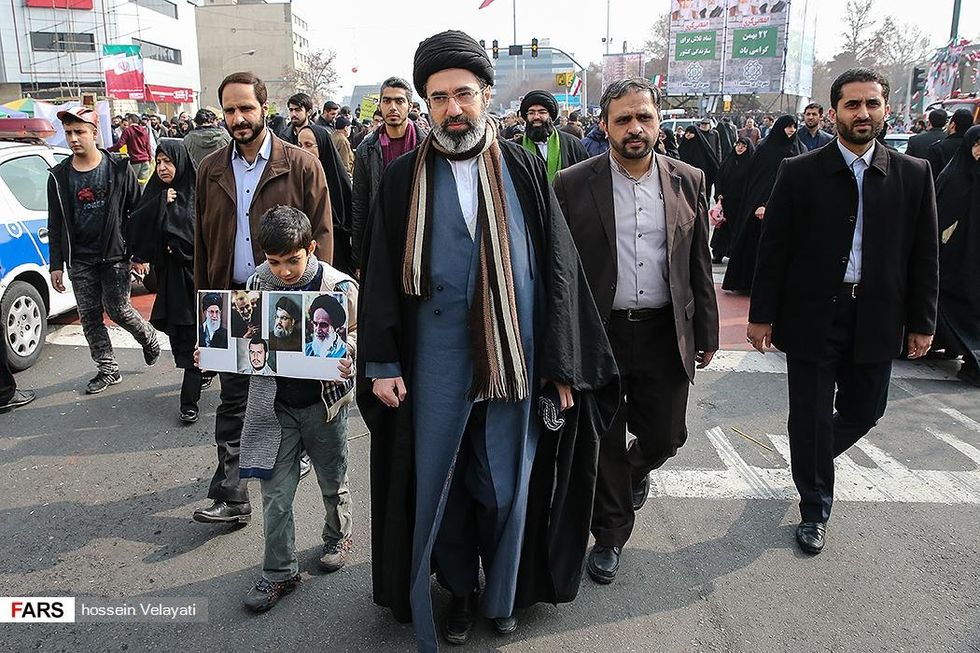
- The US-Israeli assassination of Ayatollah Ali Khamenei and four family members was followed by the installation of his second son, Mojtaba Khamenei, as supreme leader via unanimous Assembly of Experts vote under IRGC pressure.
- Mojtaba Khamenei is described by the Atlantic Council as 'more hard-line than his father,' and the Washington Post characterizes Iran's new leadership as 'younger, savvier, ruthless and more hard-line than ever,' with a Tehran source calling him 'bloodthirsty now.'
- Millions-strong funeral events galvanized Iranian opinion, with mourners waving red flags of revenge, chanting 'Death to America' and 'Death to Israel,' and poet Mohammad Resouli calling for the killing of Trump and Netanyahu to thunderous applause.
- Ultra hard-line politicians are publicly condemning Iranian negotiators involved in peace talks, including Parliamentary Speaker Mohammad Bagher Ghalibaf and Foreign Minister Abbas Araghchi, while Iran resumed attacks on ships in the Strait of Hormuz despite the ceasefire, triggering new US-Iran fighting.
- The strikes violated multiple norms: UN Charter Article 2(4), the international taboo against assassinating foreign leaders, and US Executive Order 11906 (signed by Gerald Ford, broadened by Carter and Reagan), with Trump declaring in a January interview: 'I don't need international law.'
- The piece traces a slippery slope from post-9/11 targeted killings through the January 2020 US assassination of Quds Force commander Qasem Soleimani (which triggered Iranian plots against Trump officials) to Israel's 2024 killings of Hamas's Ismail Haniyeh in Tehran and Hezbollah's Hassan Nasrallah.
Why it matters: The US and Israel sought regime change by decapitation and produced the inverse: a harder-line Mojtaba Khamenei backed by mass funeral fervor and renewed Strait of Hormuz shipping attacks. With Iranian peace negotiators now publicly condemned at home and the assassination taboo broken, the diplomatic track that produced the ceasefire is fragmenting — and historians warn the precedent invites retaliation against Western leaders.
Ask SkimNews