ASEAN Summit Pushes Oil‑Sharing Amid Hormuz Blockade
Get the Geopolitics newsletter
Daily geopolitics — wars, elections, sanctions, the diplomatic moves that move markets. Free.
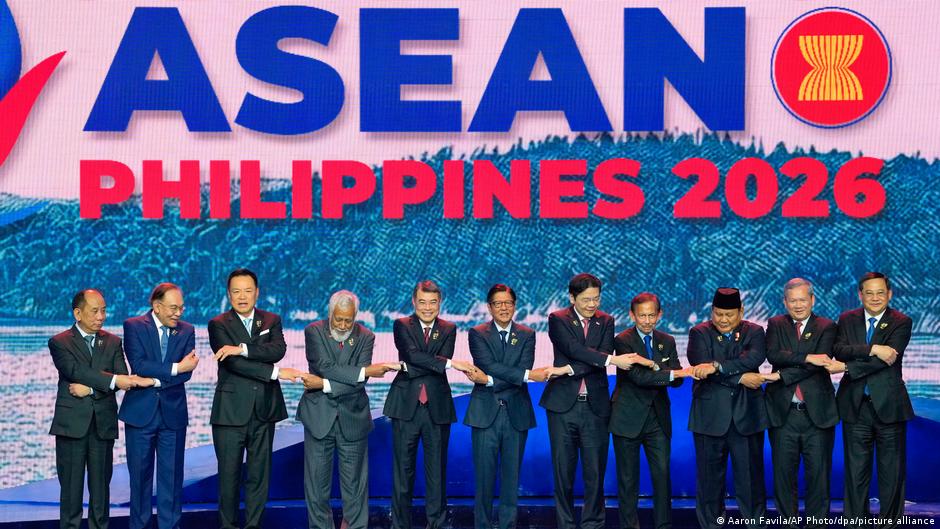
- ASEAN launched its summit on May 7 in Cebu, Philippines, centering on a joint response to the energy crisis caused by the Middle‑East conflict and a blockade of the Strait of Hormuz.
- Philippines chairing the summit, pushed for rapid approval of a regional oil‑sharing framework to secure fuel supplies for its 700 million‑person bloc.
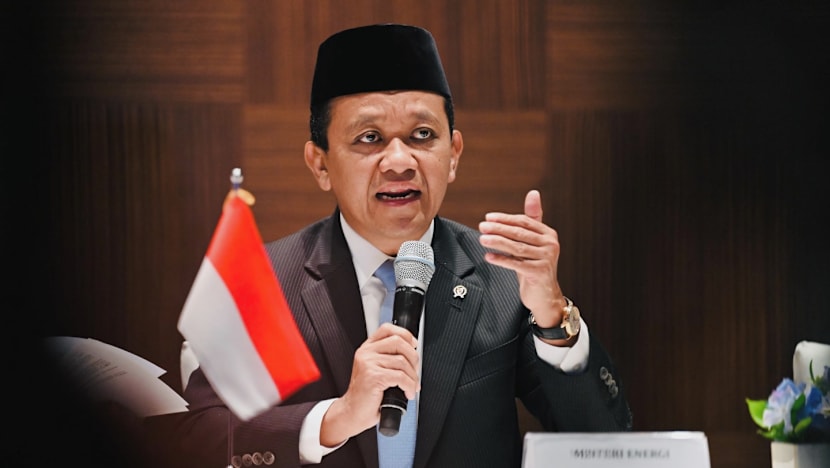
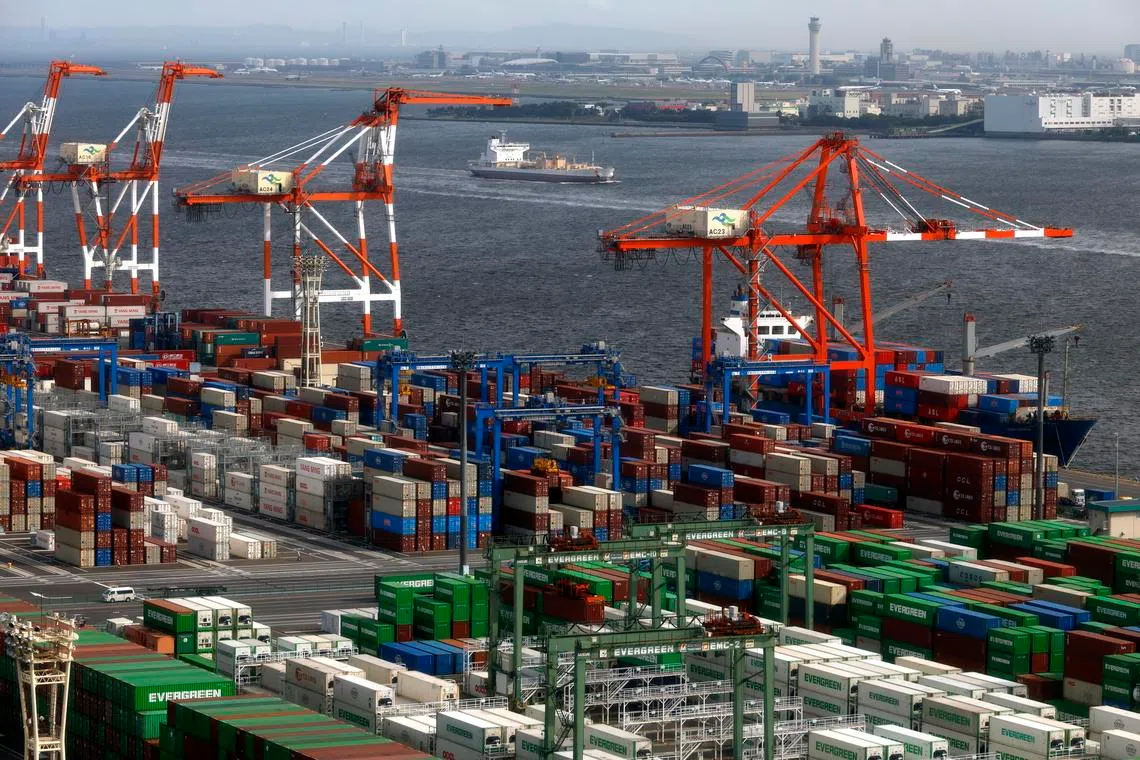
- Economic ministers at the summit outlined concrete steps to diversify supply sources and routes and to streamline crisis communications among member states.
- ASEAN also addressed other security challenges, including Myanmar’s civil war and the Thailand‑Cambodia border dispute, to prevent them from slipping off the agenda.
- President Ferdinand Marcos Jr. hosted a three‑way meeting with Thailand’s Prime Minister Anutin Charnvirakul and Cambodia’s prime minister to foster trust ahead of the leaders’ summit.
Why it matters: ASEAN members, representing nearly 700 million people and $3.8 trillion GDP, stand to gain energy security, while oil‑importing economies risk higher costs if diversification fails, triggering inflationary pressure across the region.
Ask SkimNews