Delhi Protests Defy Modi's Citywide Crackdown — SkimNews

Get the Geopolitics newsletter
Daily geopolitics — wars, elections, sanctions, the diplomatic moves that move markets. Free.
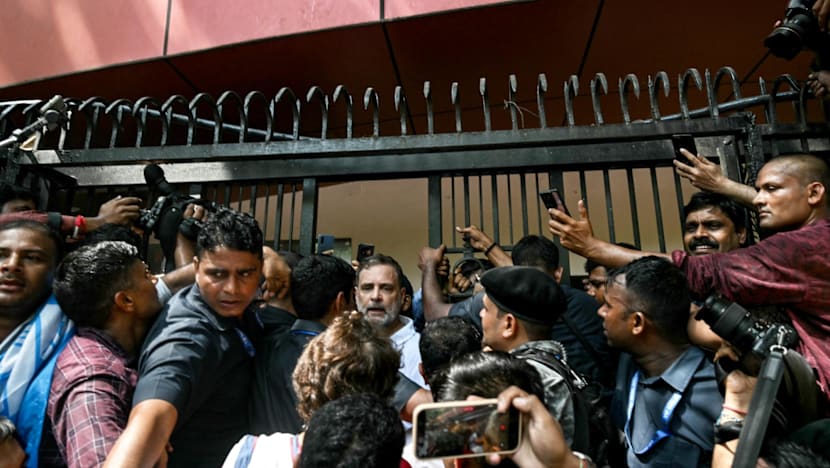
- Rahul Gandhi led an opposition delegation march to the Supreme Court on October 12 seeking judicial intervention in the election commission's integrity crisis, after Chief Justice Surya Kant declined to meet the group citing separation of powers concerns.
- Chief Election Commissioner Gyanesh Kumar, the first CEC appointed under a new law allowing the government to directly pick an election commissioner, faces mass resignation demands tied to a Special Intensive Revision of electoral rolls that has left millions at risk of disenfranchisement.
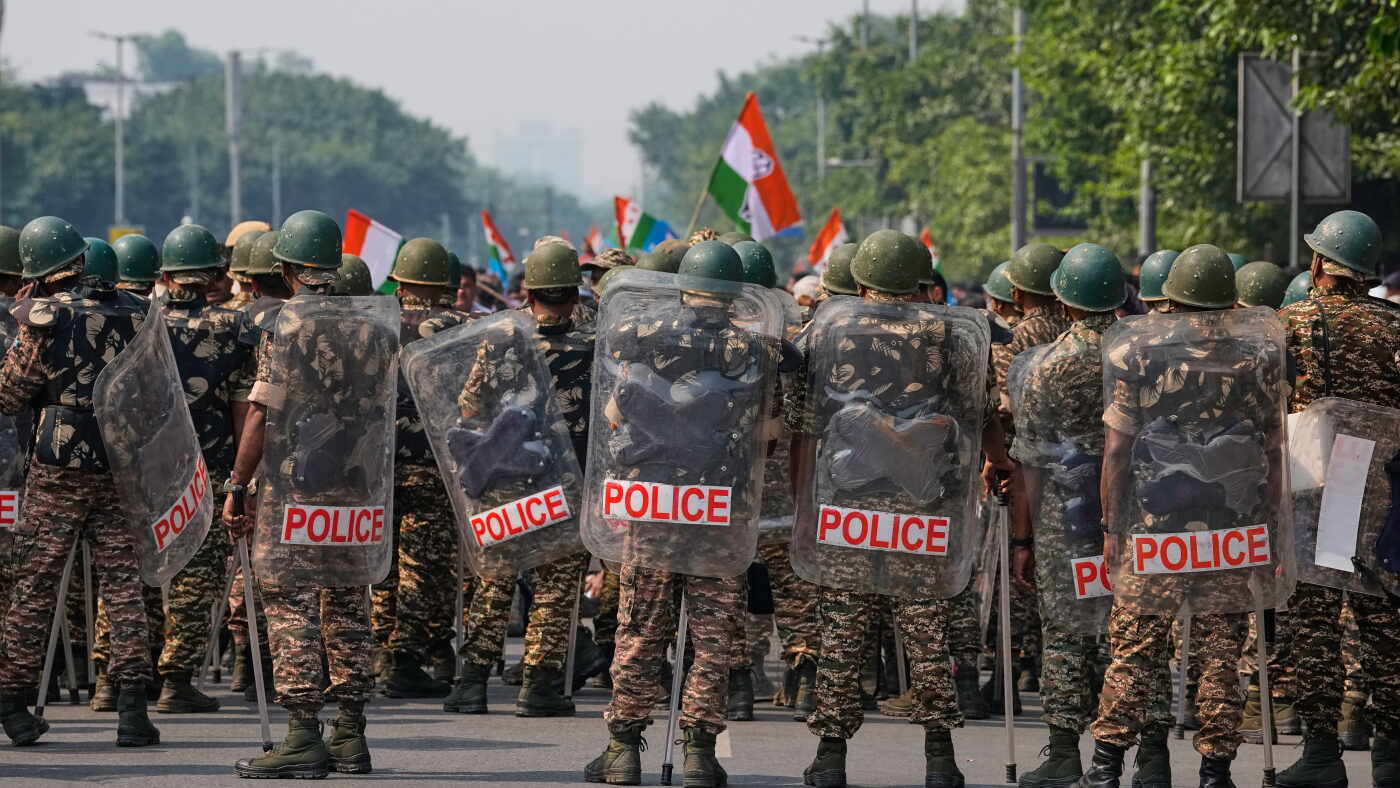
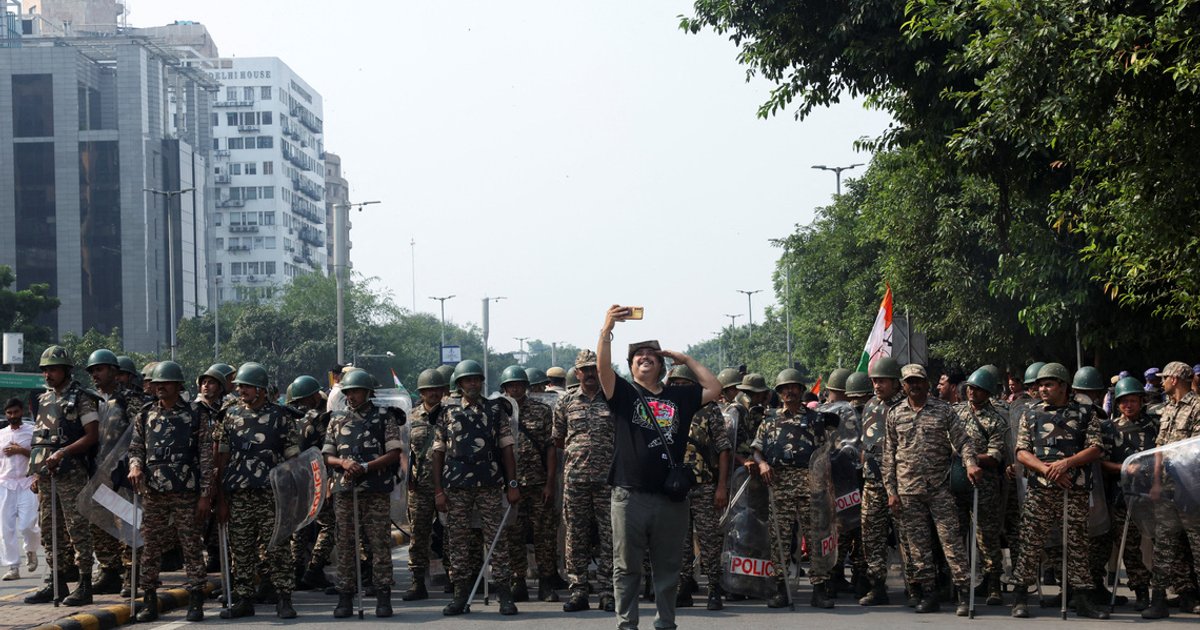
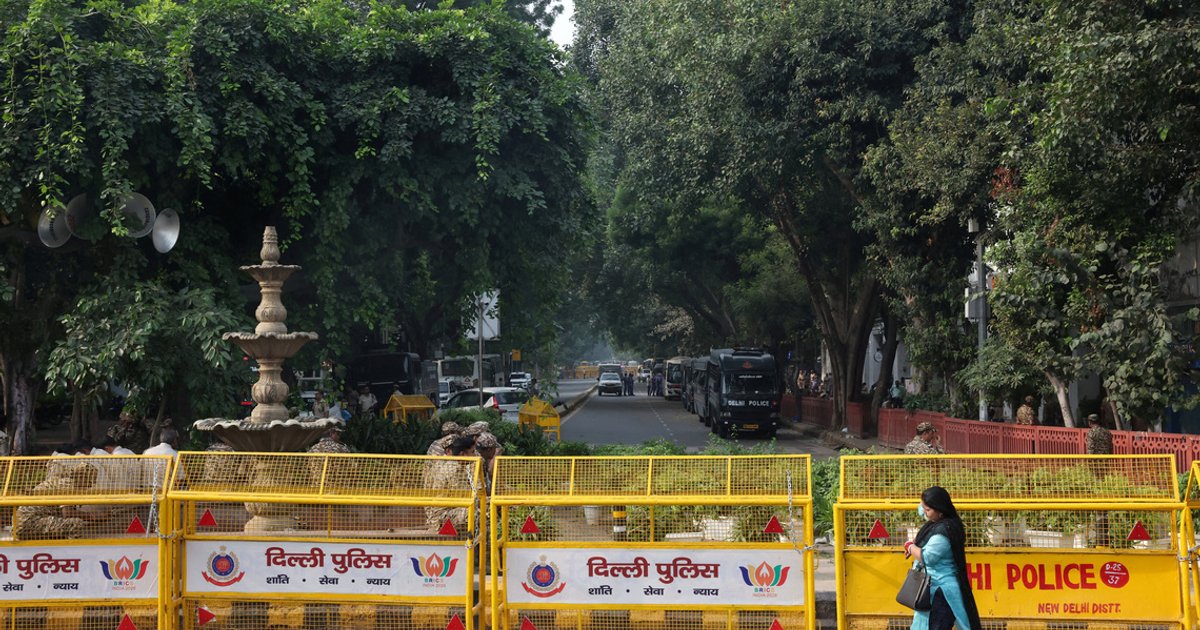
- The Modi government deployed an estimated 30,000 police and paramilitary personnel, banned assemblies of five or more persons, suspended or diverted dozens of Delhi-bound trains, closed metro station gates from Friday night, and raided hotels and political offices to prevent the October 10 Cockroach Janta Party (CJP) protest at Jantar Mantar.
- Despite the citywide siege, thousands of protesters took to Delhi's streets Saturday; thousands were detained, including lawyers, journalists, legislators, and four former state chief ministers from opposition parties, with reports of indiscriminate police brutality.
- A UN human rights spokesperson publicly raised concerns over the crackdown, prompting the Modi government to accuse the Office of the UN High Commissioner for Human Rights of bias.
- The Supreme Court directed authorities to review their use of barricades and restore normal metro, railway, and internet services; the government subsequently denotified Jantar Mantar as a protest venue and designated three alternative locations, while the INDIA bloc and CJP vowed continued protests in Delhi and other major cities.
Why it matters: With nearly all opposition parties — including traditional rivals — uniting behind the CEC resignation demand and the Supreme Court ordering the government to restore transit and internet services, the Modi government faces a binding coordination problem: conceding Kumar could embolden further opposition demands, while continued crackdown risks further judicial censure and the kind of international rebukes that have already prompted accusations of UN bias.
Ask SkimNews