MIT tool relocates alcohol groups on molecules — SkimNews

Get the Health newsletter
Daily health & science — research, biotech, public health, the studies worth knowing. Free.
- Alison Wendlandt and her MIT chemistry team published their alcohol migration technique in Nature, the result of a multi-year collaboration with Bristol Myers Squibb.
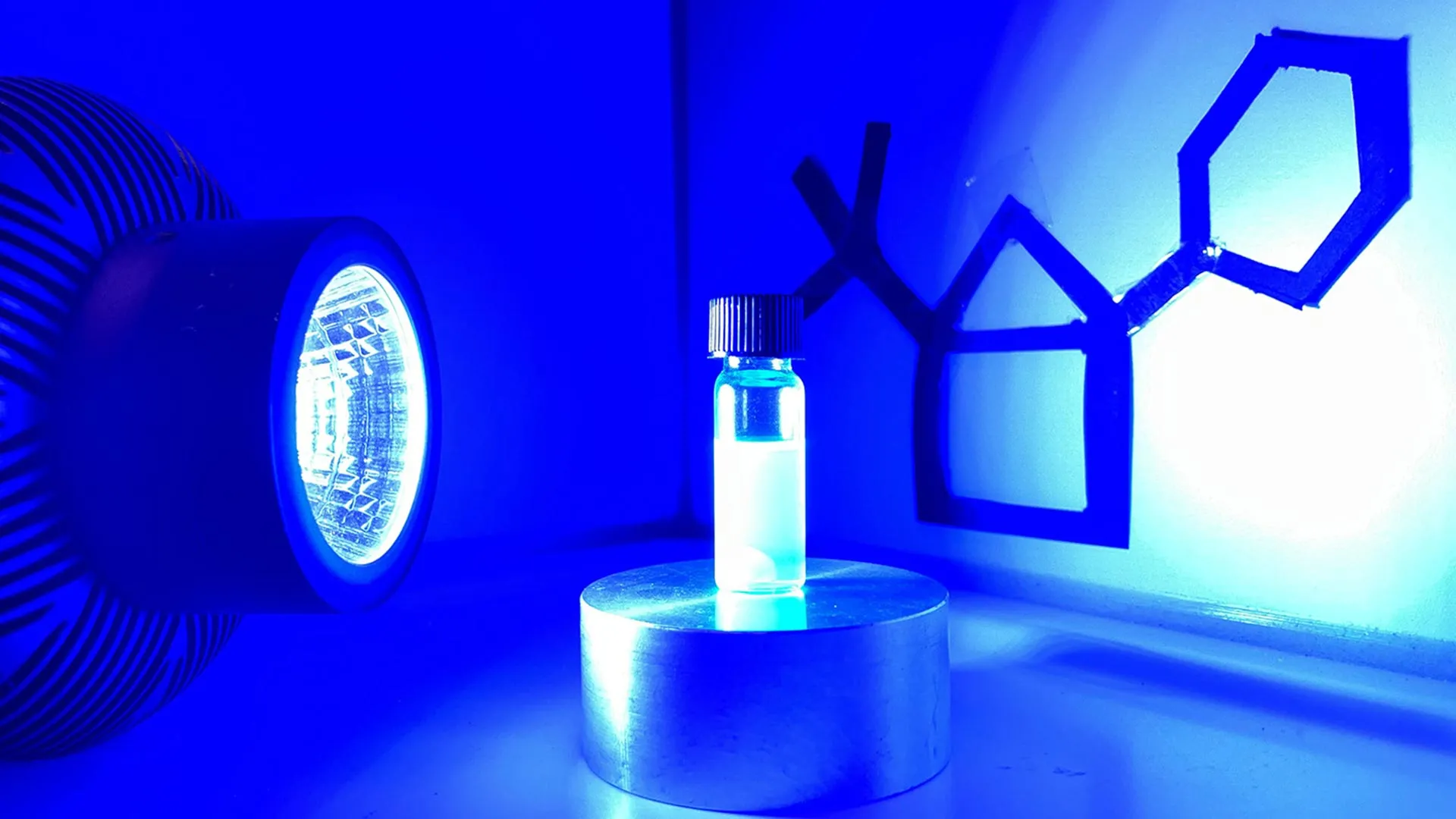
- Decatungstate, a light-sensitive catalyst, triggers the controlled migration of alcohol groups while preserving the molecule's 3D shape and orientation throughout the move.
- Qian Xu, co-first author and a postdoc in the Wendlandt Group, said the strategy offers 'predictable stereo- and regioselectivity and late-stage operability' for editing natural products and drug molecules.
- The method works on complex, nearly finished structures, enabling fine-tuning of late-stage drug candidates and unlocking oxygenation patterns previously out of reach.
- The paper, 'Alcohol group migration by proximity-enhanced H atom abstraction,' appears in Nature (2026), DOI 10.1038/s41586-026-10347-4.
Why it matters: Drug discovery and materials science researchers have long been bottlenecked by having to re-synthesize entire molecules to make minor structural adjustments. Because the technique operates on nearly finished structures, pharma labs could fine-tune late-stage drug candidates in place — potentially shaving significant time and material waste off campaigns to develop new pharmaceuticals, materials, and agrochemicals.
Ask SkimNews