Trump admin tells court it alone can declare energy emergency — SkimNews
SkimNews Take
The administration's assertion of sole authority to declare an energy emergency centralizes power, potentially allowing it to override established regulatory processes or state-level energy policies in favor of specific energy sources.
Get the Energy newsletter
Daily energy & climate — solar, EVs, oil, the policy fights and tech bets shaping the transition. Free.
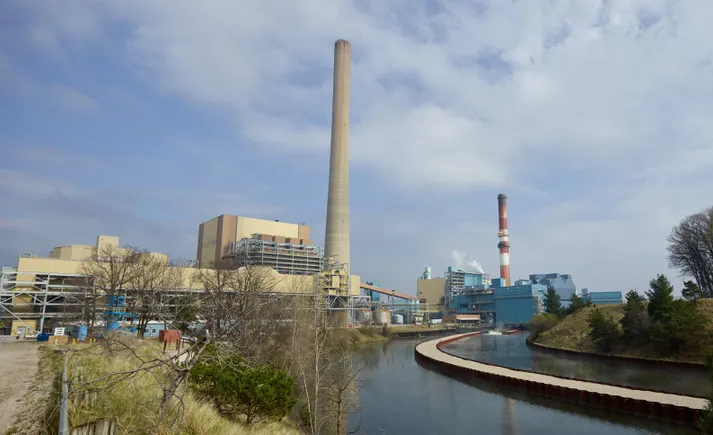
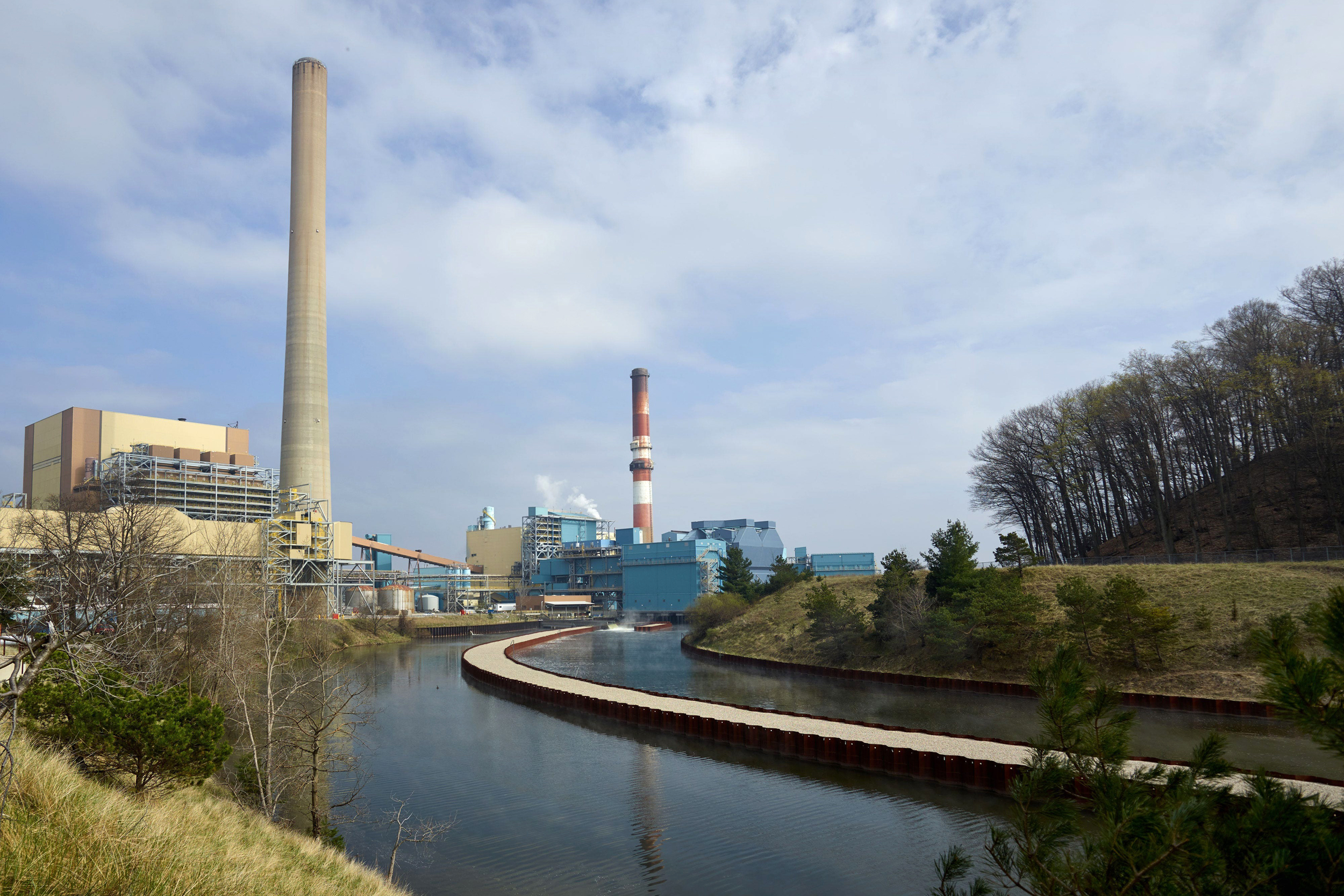
- Trump administration lawyers told the D.C. Circuit on Friday that the energy secretary has 'sole discretion' to decide when an emergency exists and 'is not required to wait for a blackout,' defending Wright's order blocking retirement of the J.H. Campbell coal plant on Lake Michigan.
- Michigan Assistant Attorney General Lucas Wollenzien called the department's claim 'unprecedented,' warning that if upheld it would 'transform the structure of power for regulating resource planning' under the 91-year-old Federal Power Act.
- Earthjustice senior counsel Benjamin Chagnon argued the administration misread the NERC assessment it cited, saying the grid watchdog warned only of a lower 'reserve margin' requiring mitigation — not imminent blackouts — and compared the emergency order to using the 'emergency brake' when a 'regular brake' would do.
- Energy Secretary Chris Wright has issued 13 emergency orders over the past year keeping open five coal plants in Colorado, Indiana, Washington and Michigan, plus an aging natural gas and oil plant in Pennsylvania — a dramatic expansion of an authority previously used mainly for winter storms and hurricanes.
- Consumers Energy, the Campbell plant's operator, told the court the emergency orders have cost it $43 million so far and warned that the closure was part of a strategy to save customers $600 million through 2040, as nationwide electricity rates rose 5 percent in 2025.
- Environmental groups told reporters the orders have released millions of pounds of air pollutants, more toxic coal ash, and carbon dioxide equivalent to 1.3 million additional cars on roads for a year, though the legal case turns on statutory interpretation, not those impacts.
- The three-judge D.C. Circuit panel, all Obama appointees, pressed both sides on what constitutes an emergency, with Judge Robert Wilkins asking whether climate change itself qualifies under the law.
Why it matters: If the D.C. Circuit upholds Wright's authority, the federal government could systematically override state utility regulators and regional grid planners on plant retirements, a power shift with direct costs to ratepayers — Michigan's Consumers Energy alone is absorbing $43 million in extra costs while the Campbell closure was designed to save customers $600 million. The ruling would also set the template for the remaining five plants Wright has blocked from retiring, embedding an emergency-power precedent far beyond its original storm-response purpose.
Ask SkimNews