Trump Issues Emergency Orders to Keep Coal Plants Open — SkimNews
Get the Energy newsletter
Daily energy & climate — solar, EVs, oil, the policy fights and tech bets shaping the transition. Free.
- Trump administration invoked Section 202(c) of the Federal Power Act to issue emergency orders that keep coal plants operating, a power first used in 1941.
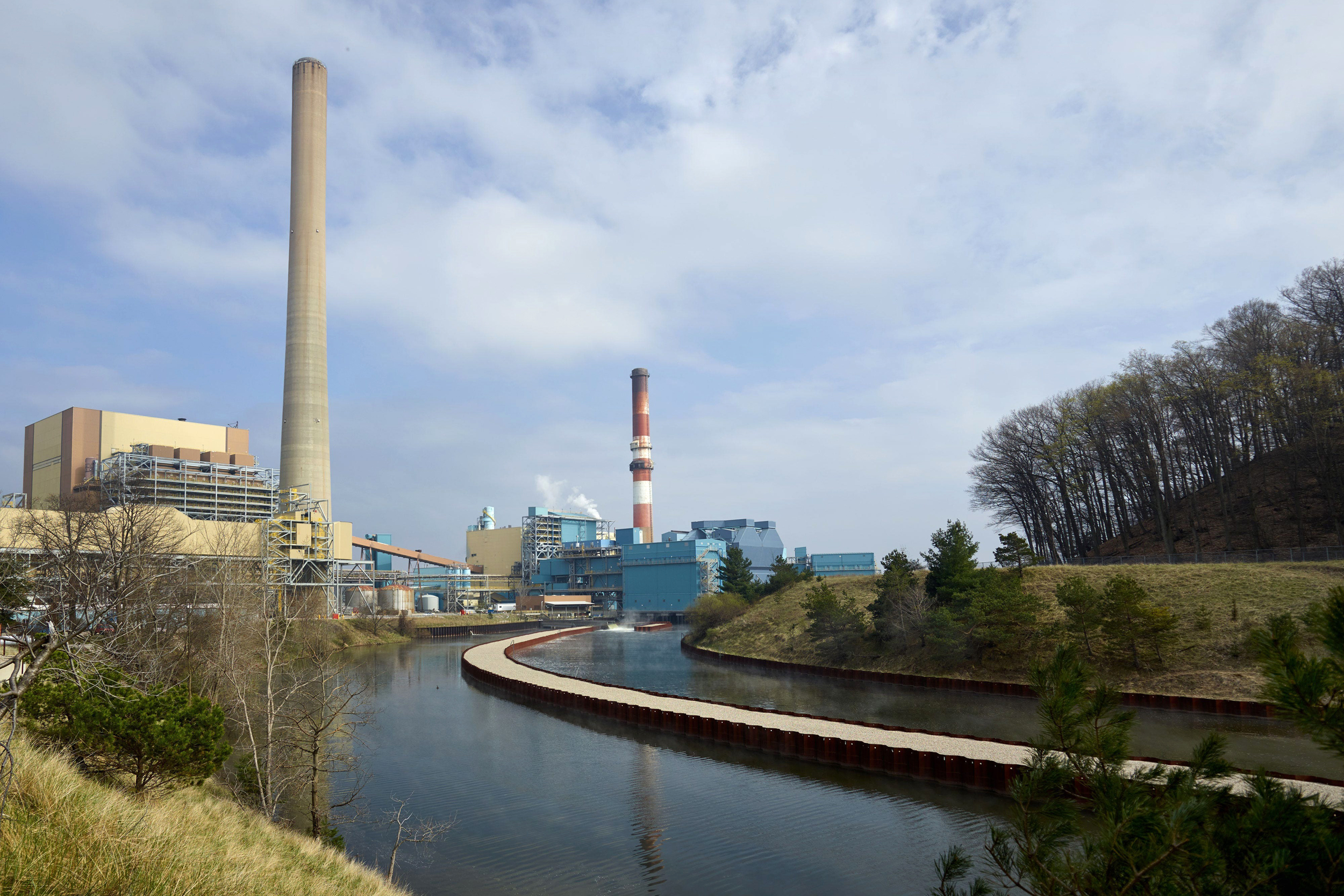
- Department of Energy issued its first emergency order in May 2025 for the JH Campbell plant in Michigan, which had planned to close and be replaced by cheaper natural gas and renewables.
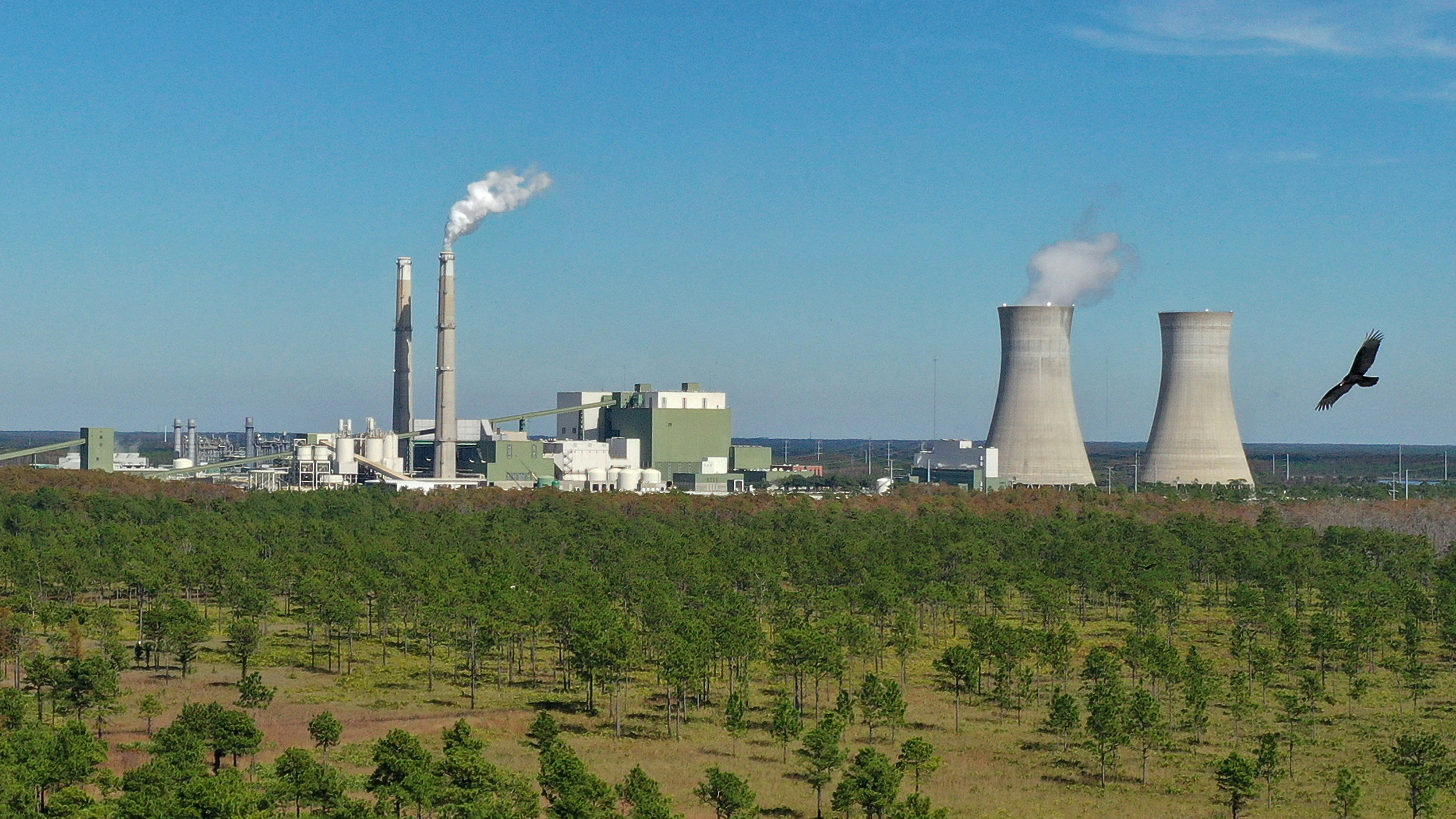
- Department of Energy later issued emergency orders for five additional plants—Eddystone (PA), Centralia (WA), RM Schahfer (IN), Culley (IN), and Craig Station (CO)—all coal except Eddystone, which runs on natural gas and oil.
- JH Campbell plant has a 1,331‑megawatt capacity and emitted 8.9 million tons of CO₂ in 2024, ranking 19th among U.S. power plants.
- Consumers Energy spent $290 million operating the JH Campbell plant since the first emergency order, with $155 million offset by grid‑operator revenue and $135 million passed on to customers.
- Alexandra Klass (University of Michigan Law School) called the emergency orders “just illegal,” saying they misuse wartime powers and override long‑term grid‑planning decisions.
- Trump administration also slowed clean‑energy projects, issuing a stop‑work order on offshore wind and delaying permits for onshore wind.
Why it matters: Utility customers bear $135 million of the extra cost of keeping JH Campbell open, while the orders block planned retirements that would have lowered electricity rates and reduced CO₂ emissions. Meanwhile, clean‑energy developers lose momentum as the administration delays offshore and onshore wind projects.
Ask SkimNews