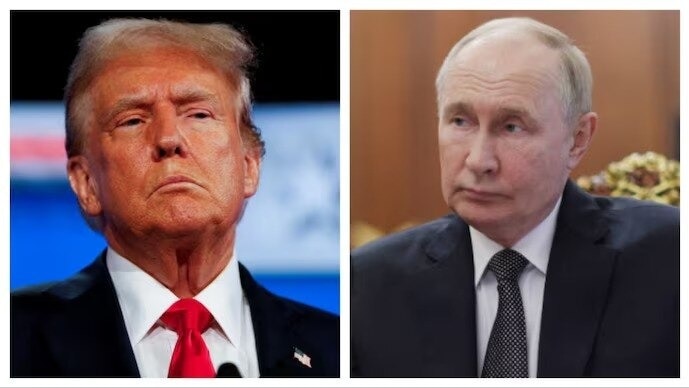
14 Democrats Demand Trump Reinstate Russian Oil Sanctions — SkimNews

Get the Geopolitics newsletter
Daily geopolitics — wars, elections, sanctions, the diplomatic moves that move markets. Free.
- Fourteen Senate Democrats sent a letter Thursday to Treasury Secretary Scott Bessent demanding the Trump administration reimpose sanctions on Russian oil that were temporarily lifted in mid-March to offset energy costs during the Iran war.
- The sanctions relief, originally set to expire April 11, has been extended to May 16, and the lawmakers warned the pause is boosting Russia's revenue in its ongoing war against Ukraine.
- Brent crude oil was trading at around $110 per barrel on Tuesday, up from roughly $70 before the conflict, while average U.S. gas prices had climbed to nearly $4.50 per gallon — an increase of more than 85 cents a gallon that the senators blamed on the administration's 'self-made global energy crisis.'
- The letter, led by Colorado Sen. Michael Bennet and signed by Democrats including Elizabeth Warren, Adam Schiff, and Raphael Warnock, also urged Secretary of State Marco Rubio and Energy Secretary Chris Wright to use every available tool to cut into Russia's 'war windfall profits.'
- Trump eased the sanctions in mid-March after the effective closure of the Strait of Hormuz during the conflict with Iran disrupted global oil supply, and has dismissed concerns about higher energy costs as 'a very small price to pay for U.S.A., and World, Safety and Peace' in an early March Truth Social post.
- The Democrats argued Putin 'has openly spoken of using the crisis to reestablish export markets for Russian oil,' and said continuing the pause risks 'the replenishment of Putin's war machine.'
Why it matters: The May 16 deadline gives the administration about six more weeks to decide whether to keep the Russian oil waiver in place, and with Brent crude near $110 and U.S. gas approaching $4.50, the political cost of maintaining a Russia-sanctions carve-out is rising as consumer pain deepens. Democrats are tying the policy directly to Ukraine war funding, forcing the White House to defend a short-term energy fix that critics say is a long-term windfall for Putin.
Ask SkimNews