Iran Outlasts US-Israeli Assault, Forces Ceasefire — SkimNews

Get the Geopolitics newsletter
Daily geopolitics — wars, elections, sanctions, the diplomatic moves that move markets. Free.
- Iran absorbed relentless US-Israeli air and missile strikes beginning in late February 2026, including precision strikes that killed Supreme Leader Ayatollah Ali Khamenei and destroyed hundreds of missile launchers and air defense systems.
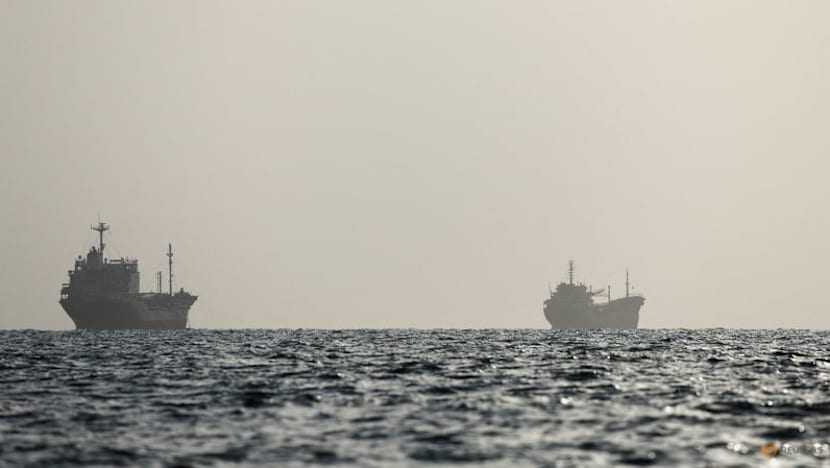
- Iran closed the Strait of Hormuz to commercial vessels, cutting off a critical global supply artery for oil, gas, and fertilizer with what the source describes as disastrous consequences for global energy and food supply.
- Tehran retained the capacity to retaliate with missile and drone strikes on Israel, US bases in the Gulf, and energy infrastructure in Arab Gulf states, undermining the US goal of protecting regional allies.
- By April, the US and Israel were unable to force Iran to capitulate or achieve regime change, and Iran forced President Trump to seek a ceasefire and an off-ramp.
- Tehran announced a 'new security belt' for its Axis of Resistance partners and a 'unified resistance front' doctrine requiring coordinated response by all axis members to any attack on the axis.
- Iran aims to leverage this moment of strategic advantage to rebuild missile and drone capabilities while gaining leverage in future negotiations with Washington.
Why it matters: Despite losing Supreme Leader Khamenei and most of its conventional military infrastructure, Iran forced the US into a ceasefire by closing the Strait of Hormuz and retaining the ability to strike Israel and Gulf energy targets. Trump now touts the resulting deal as a 'wall to a nuclear weapon' (per Al Jazeera) and received G7 backing (per Globe and Mail), but analysts argue Tehran holds the political-strategic upper hand and can reopen the conflict at will.
Ask SkimNews