US, Israel Kill Iran's Khamenei; Two-Week Ceasefire — SkimNews
Get the Geopolitics newsletter
Daily geopolitics — wars, elections, sanctions, the diplomatic moves that move markets. Free.
- The US and Israel launched coordinated strikes on Iran on 28 February, killing Supreme Leader Ayatollah Ali Khamenei, dozens of IRGC senior figures, and targeting missile, nuclear, and energy sites including Kharg Island and South Pars; Iran's president called the attacks "unprovoked."
- Khamenei's son Mojtaba was named Iran's new Supreme Leader on 8 March; other senior officials killed in Israeli air strikes include security chief Ali Larijani, intelligence minister Esmail Khatib, and Basij force head Gholamreza Soleimani.
- Iran retaliated with missile and drone attacks on Israel and US-allied Gulf states (Qatar, Bahrain, UAE, Kuwait, Jordan, Oman, Saudi Arabia), killing 13 US service members, 23 Israelis including four children struck in Beit Shemesh, and at least 24 people across the Gulf.
- HRANA reported 3,636 people killed inside Iran as of 7 April, including 1,701 civilians of whom at least 254 were children; Iran accused the US and Israel of striking a girls' school near an IRGC base, killing 168 people including around 110 children, and BBC Verify analysis confirmed a US Tomahawk hit a military base adjacent to the school.
- The US and Iran agreed to a Pakistani-mediated two-week ceasefire on 7 April, with Iran reopening the Strait of Hormuz — blockaded for over a month — in exchange for a halt to US strikes; Israel backed the deal but explicitly stated "the ceasefire does not include Lebanon."
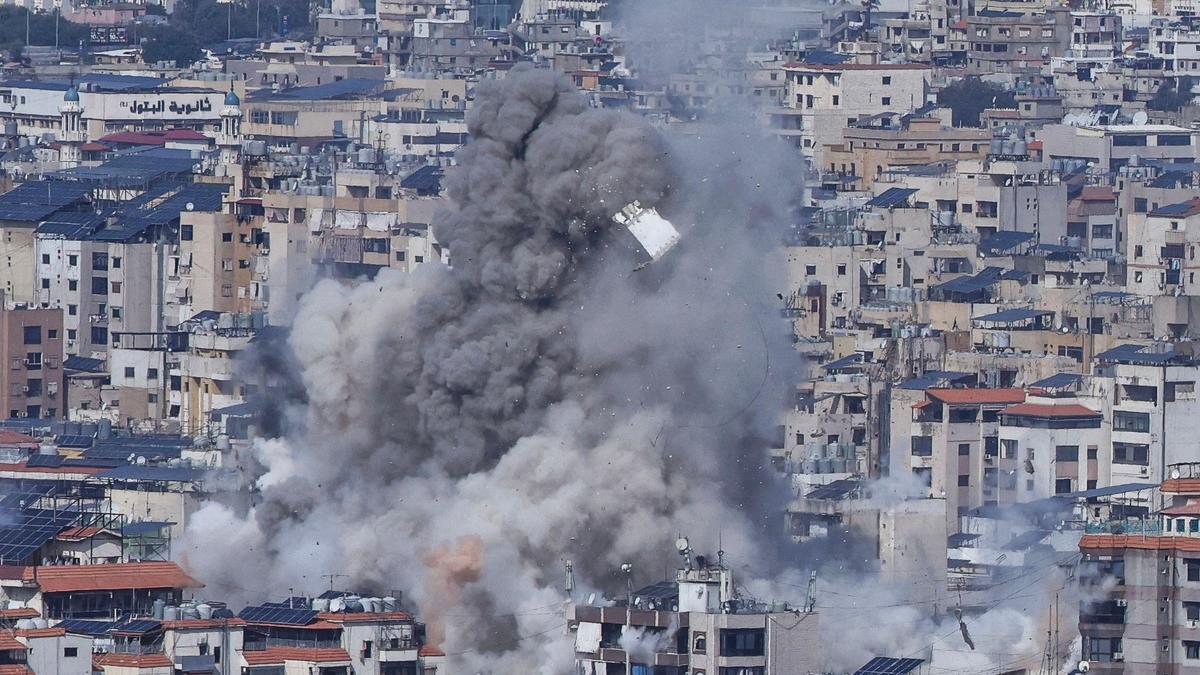
- Lebanon became a second front on 2 March when Hezbollah fired rockets to avenge Khamenei; Israeli attacks killed 2,294 people including 177 children, displaced more than one million, and a separate 10-day Lebanon-Israel ceasefire took effect on 16 April.
Why it matters: A war triggered by one country's supreme leader's assassination pulled in at least nine nations as targets, hosts, or mediators and killed thousands of civilians across Iran, Lebanon, Israel, and the Gulf. The Pakistani-brokered ceasefire pauses only the US-Iran exchanges for two weeks and explicitly excludes Lebanon, where Israeli ground operations and Hezbollah clashes continue under a separate truce — leaving the conflict fragmented and the pause inherently fragile.
Ask SkimNews