Malaysia weighs blocking US rare earth deal over Gaza — SkimNews
Get the Geopolitics newsletter
Daily geopolitics — wars, elections, sanctions, the diplomatic moves that move markets. Free.
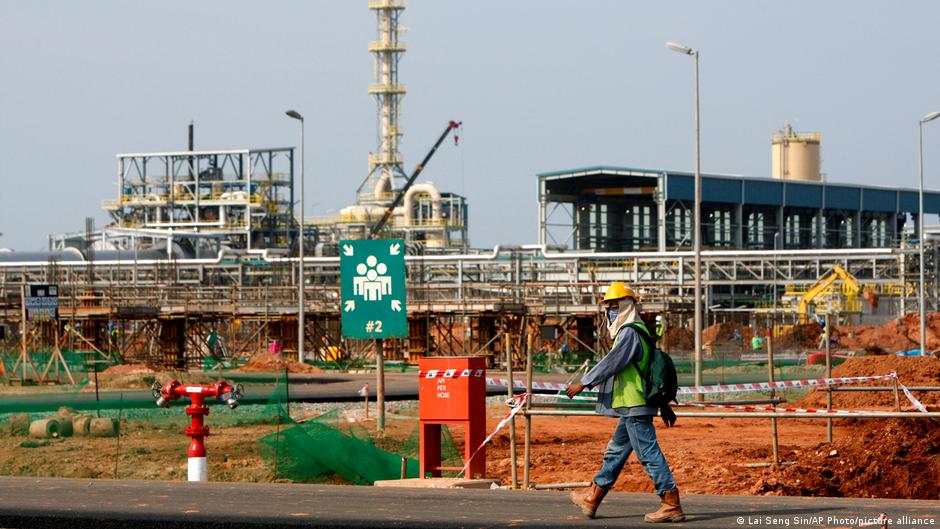
- US Department of Defense signed a four-year, $96 million (€84 million) deal in March with Australia's Lynas for 17 rare earth metals, with processing at Lynas' Gebeng facility on Malaysia's east coast — the largest such plant outside China.
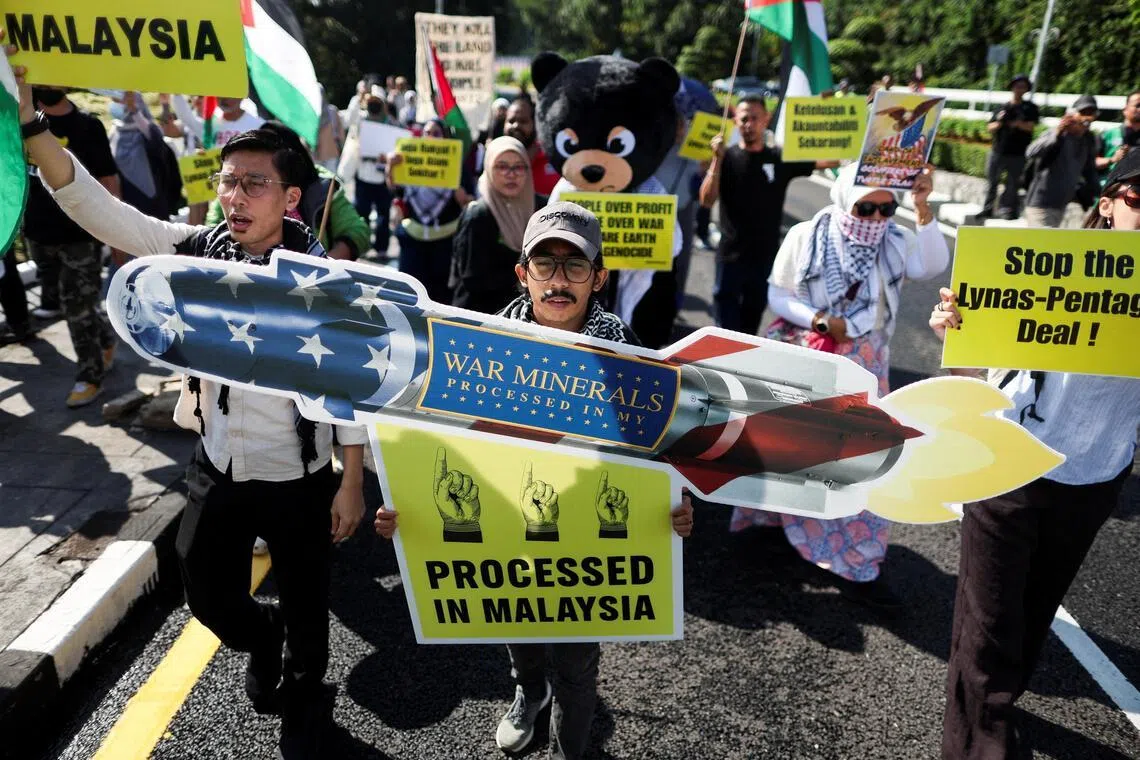
- Over 50 Malaysian non-government groups sent an open letter to Prime Minister Anwar Ibrahim urging the government to block the deal or guarantee the rare earths don't reach weapons systems, warning it could implicate Malaysia in 'credible allegations of violations of international law across multiple theaters' including Gaza.
- Lynas is one of the few firms able to supply commercial quantities of dysprosium and terbium — two rare earths the US needs, since China restricts military-use exports and the Pentagon's domestic MP Materials Mountain Pass mine has little of either, making Lynas the Pentagon's 'only source available... for the time being,' per analyst Thomas Kruemmer.
- Malaysia's parliamentary committee held a hearing last week to determine whether the Lynas project jeopardizes 'Malaysia's reputation as a staunch supporter of Palestine,' with Anwar's government facing a month-end deadline to state its official position.
- Gebeng's local community harbors deep distrust of rare earth refining rooted in a 1980s Japanese-backed venture that left radioactive waste blamed for birth defects and cancer cases — a history Oh Ei Sun of the Singapore Institute of International Affairs says could be revived to pressure Lynas' license renewals if Kuala Lumpur moves against the deal.
- Anwar's government faces a political calculus between international isolation from disrupting a major trade relationship and domestic pressure from rising Islamist parties, with Oh noting the Palestinian cause offers a 'convenient and handy way' for politicians to bolster religious credentials.
Why it matters: The Pentagon's only viable non-Chinese source for dysprosium and terbium sits inside a Muslim-majority nation whose public is galvanized by Gaza. If Anwar's government blocks or 'frustrates' the deal, the US loses a CSIS-designated 'key node' in its mine-to-magnet supply chain at the precise moment Beijing is restricting rare earth exports to the West.
Ask SkimNews