England Unveils First 56-Page Land Use Framework — SkimNews
Get the Energy newsletter
Daily energy & climate — solar, EVs, oil, the policy fights and tech bets shaping the transition. Free.
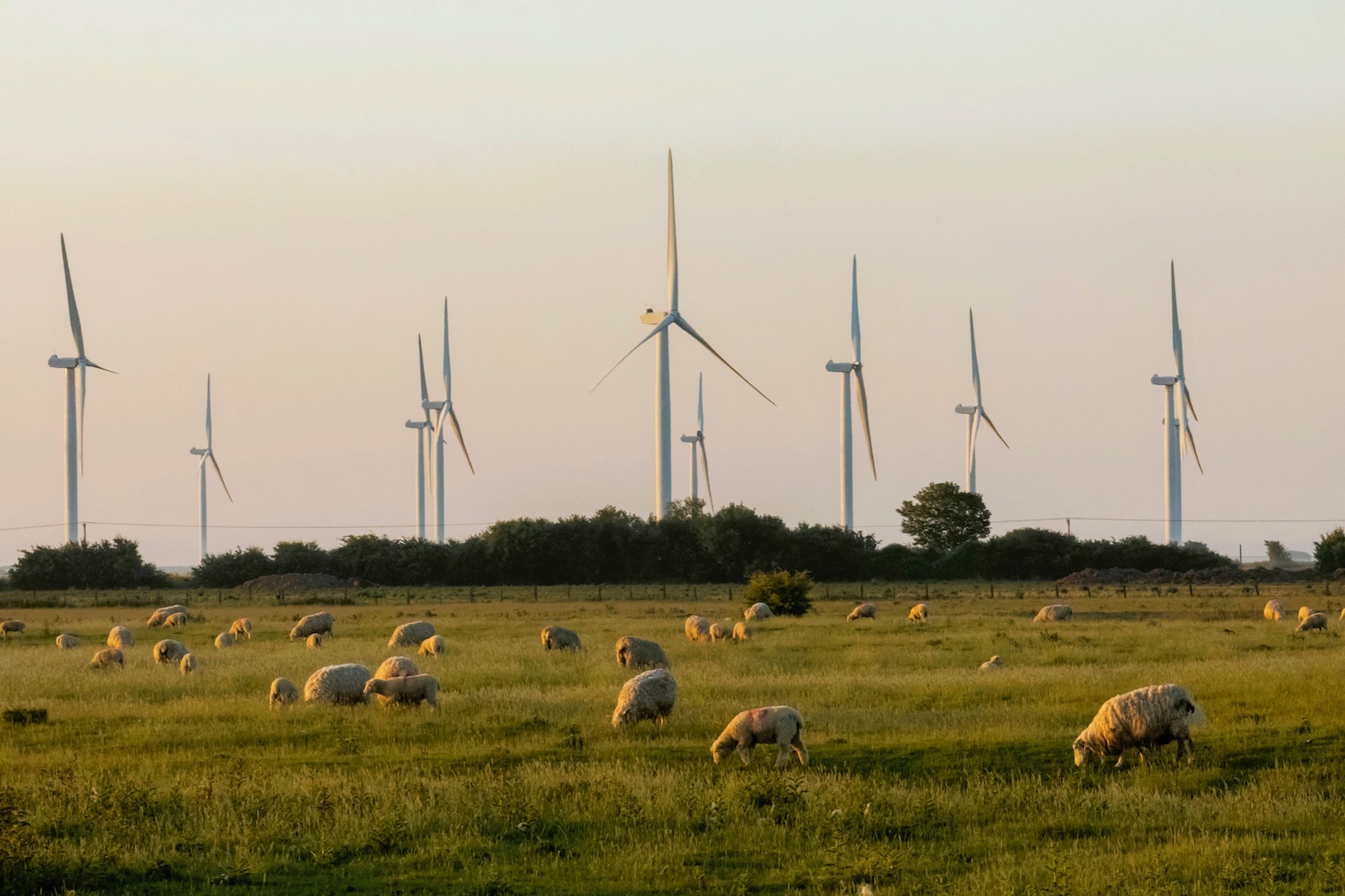
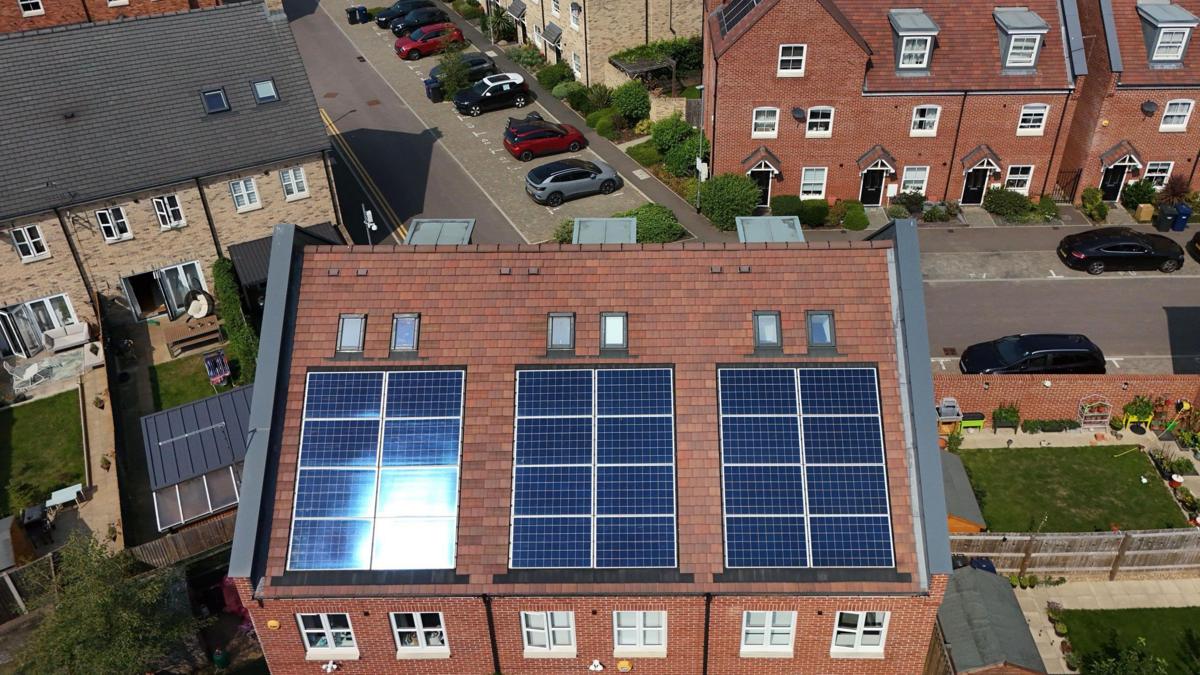
- England published its first 56-page Land Use Framework, developed since 2022, requiring roughly 7% of land for nature, forests, and renewable energy — including about 1% specifically for solar, wind, and other renewables to meet 2050 climate goals.
- Ministers labelled current land use "highly inefficient" and introduced a "default yes" on housing within walking distance of existing train stations, while requiring developers to include ponds, wetlands, and improved urban drainage in plans.
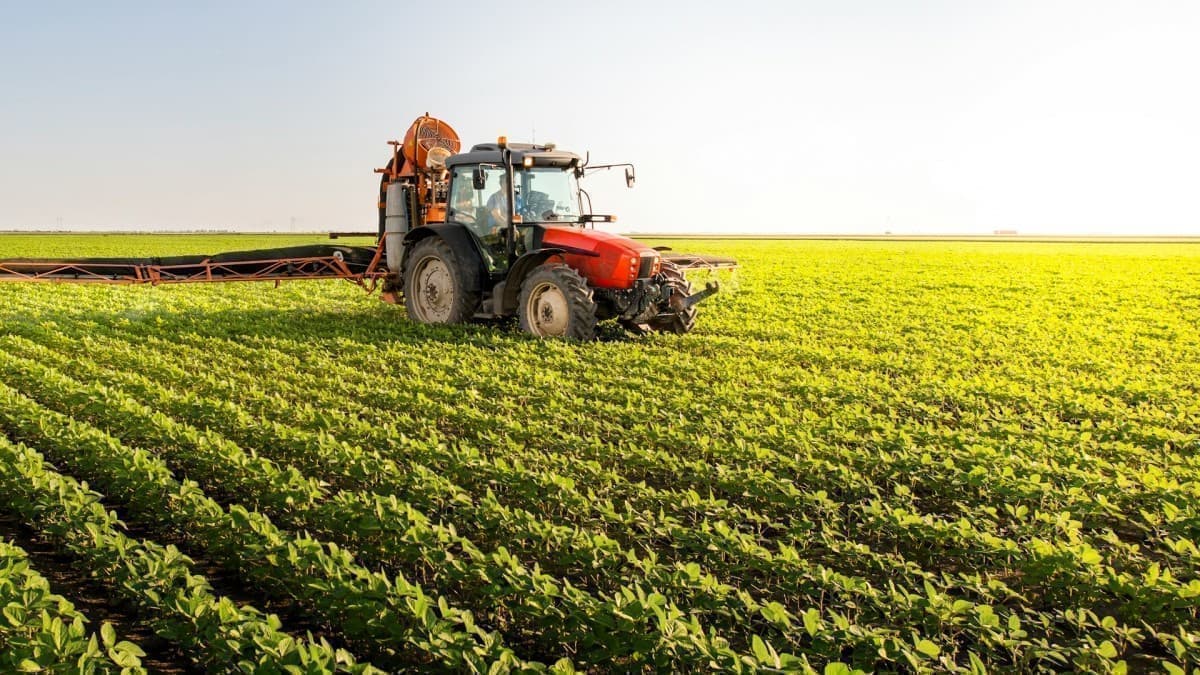
- Farmers, who currently use about 70% of UK land (mostly for livestock), will be informed whether their land is better suited for farming or alternatives such as forestry, wetland, or peatland restoration, with incentives rather than mandates to switch.
- Environment Minister Emma Reynolds committed to maintaining domestic food production at current levels, declaring "food security is national security" and rejecting "false choices" between solar panels and farmland or growth and environment.
- The framework designates peatland restoration as a high priority, encourages multi-use land such as solar farms paired with livestock grazing, tightens regulations on grouse moors, and includes planning for landscape changes under both 2°C and 4°C global heating scenarios.
- The government will lift paywalls on large parts of the Land Registry, which author Guy Shrubsole called an end to "a thousand years of secrecy" — noting that 1% of England's population owns half the country.
Why it matters: The framework reshapes English planning with hard numbers: 7% of land earmarked for nature and renewables, 1% specifically for clean energy infrastructure, and 70% of agricultural land now subject to government best-use assessments. Farmers and large concentrated landowners face the most direct changes — incentives will steer agricultural land toward alternatives, and Land Registry data on the 1% who own half of England will finally become publicly accessible.
Ask SkimNews