Polls open in Latvia against backdrop of perceived Russia threat — SkimNews

Get the Geopolitics newsletter
Daily geopolitics — wars, elections, sanctions, the diplomatic moves that move markets. Free.
- Latvia opened polls for its 11th parliamentary election since independence from the Soviet Union at 05:00 GMT Saturday, with about 1.5 million eligible voters choosing from 14 lists—though only 7 are expected to clear the 5% threshold.
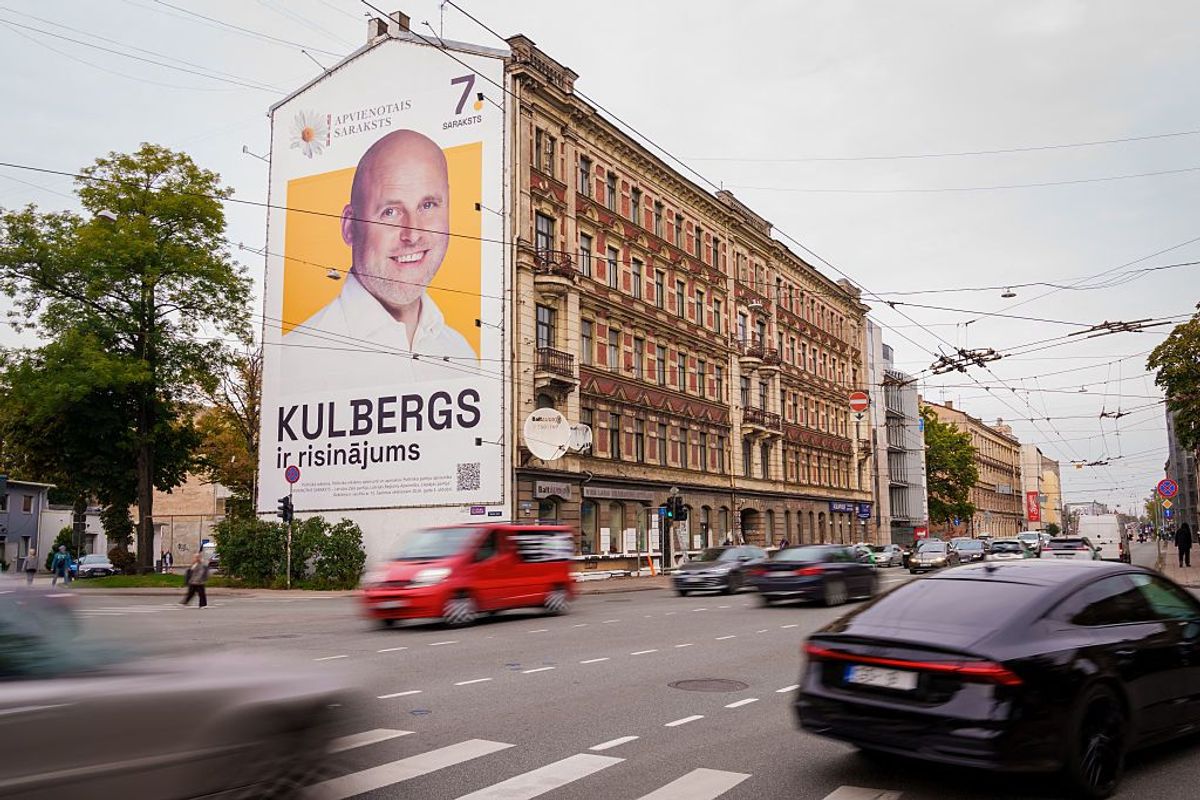
- Andris Kulbergs faces his first electoral test as prime minister after his predecessor resigned in May over backlash from stray drone incursions from Ukraine; his right-wing United List party leads polls at roughly 20%.
- Sovereign Power is polling above 9% and projected to become Latvia's second-biggest party, supporting Ukraine's victory but arguing aid money should be spent domestically; most other parties have ruled out coalition with them.
- Latvia First (pro-Ukraine populist nationalist) is polling at about 9% as a potential coalition partner for Kulbergs, while The Progressives (pro-European social democratic) sit at 6%.
- Results are not expected to shift Latvia's pro-European and pro-Ukrainian course, but coalition talks will be complicated by the decline of two current allies and a fragmented party landscape where no list is expected above 20%.
- Latvia has sharply increased defence spending since Russia's invasion of Ukraine, now allocating nearly 5% of GDP—the highest among the Baltic states, where it remains the poorest.
- Ethnic Russians, roughly one-quarter of Latvian citizens, have traditionally voted along identity lines but appear set to vote on economic and social issues this cycle, amid campaign focus on living costs, low wages, healthcare strain, and population decline.
Why it matters: With 14 lists contesting and no party expected above 20%, the fragmented result means coalition negotiations—not the vote itself—will determine Latvia's next government. The rise of Sovereign Power above 9% shows the pro-Ukraine aid consensus fraying at the edges even in a firmly pro-Kyiv country, while ethnic Russian voters shifting from identity-based to economic voting could reshape a long-courted bloc.
Ask SkimNews