NHS app to use AI to determine which service best for patients — SkimNews
SkimNews Take
An AI front-end effectively becomes a demand-shaping mechanism: by routing 200,000 patients initially and every app user by 2028, it doesn't just triage symptoms but determines which NHS services bear load, shifting gatekeeping authority from human clinicians to an algorithm whose routing logic is rarely visible to patients.
Get the Health newsletter
Daily health & science — research, biotech, public health, the studies worth knowing. Free.
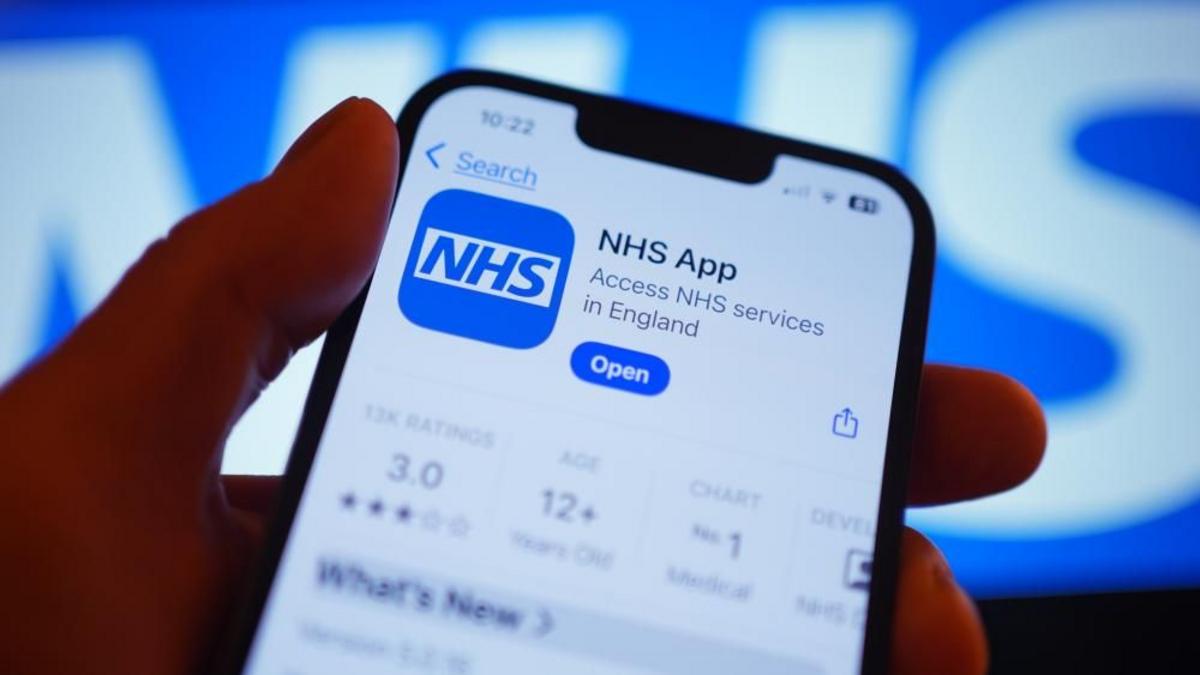
- NHS England announced an AI triage tool on its app that will ask patients a series of questions and direct them to a GP appointment, pharmacy, A&E, community service, or self-care advice
- The rollout will reach more than 200,000 patients in the next 12 months and be available to all NHS app users by April 2028, part of a "major overhaul" of NHS technology
- Wealden Ridge Medical Partnership in Sussex, the initial trial site, saw a 29% reduction in the number of people queuing on the phone for an appointment after integrating the tool
- Health Secretary James Murray said the rollout does not mean AI will decide if patients see a doctor, framing it as part of a £10bn investment allocated by the government in 2025 to overhaul NHS technology, digital and data systems
- AI notetaking tools that transcribe patient-staff conversations will roll out at four NHS trusts in and around London — St George's, Epsom and St Helier, Croydon, and Kingston and Richmond — alongside expansion at Alder Hey Children's and Manchester University NHS Foundation Trusts
- Great Ormond Street Hospital-led trial across nine NHS sites found staff spent nearly 25% more of their time interacting with patients when using the AI notetaking technology
- The Royal College of Nursing's Prof Lynn Woolsey and the King's Fund's Pritesh Mistry urged the NHS to prioritise patient safety, confidentiality, and protection against digital exclusion as services become increasingly technology-dependent
Why it matters: The NHS is committing £10bn through 2028 to embed AI into patient-facing and clinical workflows, with a 29% drop in phone queues already proven at a Sussex pilot and ~25% more patient-interaction time recorded across nine trial sites. The trade-off, flagged by the Royal College of Nursing and the King's Fund, is whether rapid AI scaling outpaces safeguards against digital exclusion and ensures clinicians remain the final decision-makers at key triage points.
Ask SkimNews