Opinion: Ending birthright citizenship could be a public health disaster — SkimNews

Get the Health newsletter
Daily health & science — research, biotech, public health, the studies worth knowing. Free.
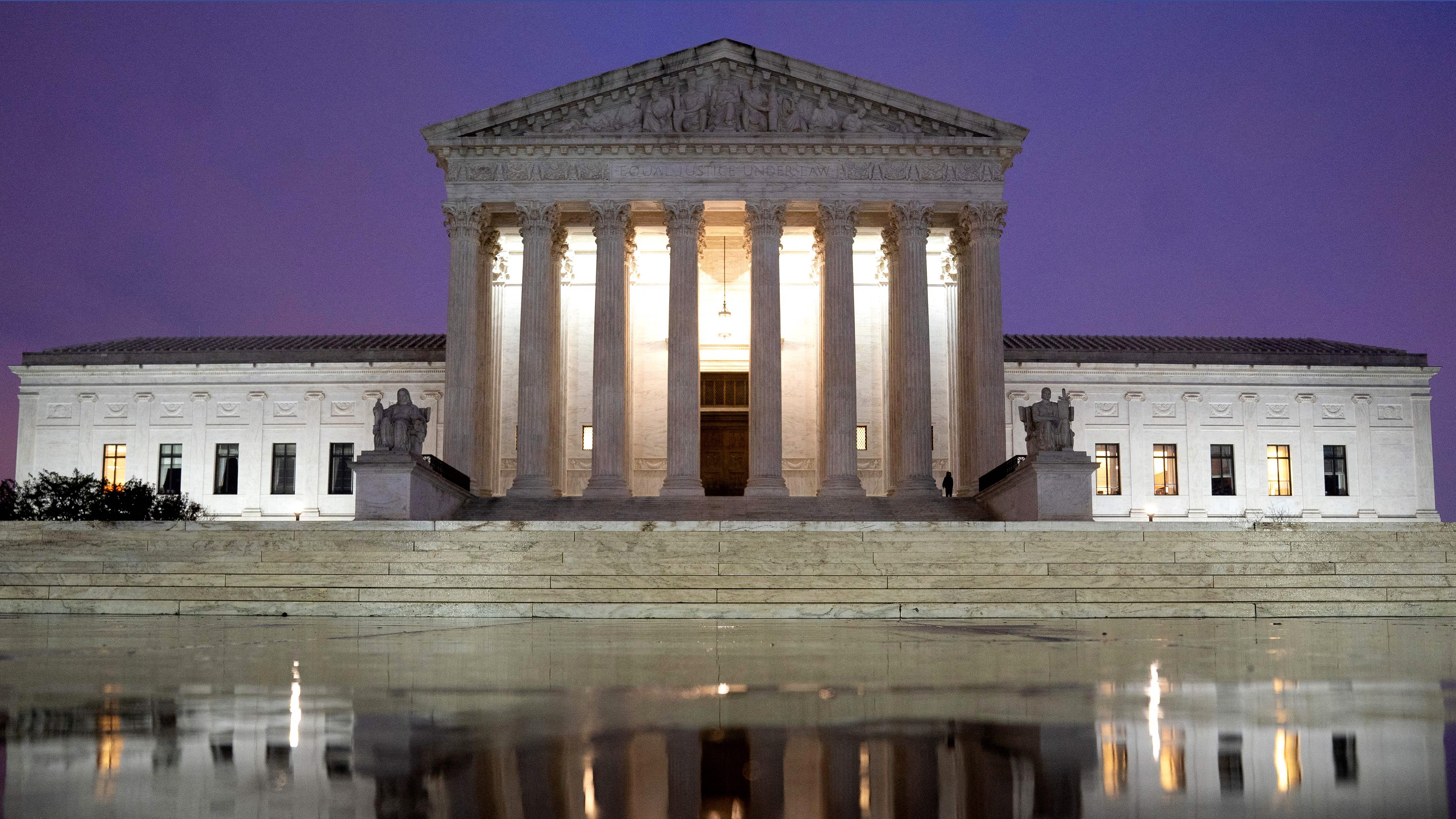
- Trump v. Barbara is before the Supreme Court, with a ruling expected before the end of June on Trump's executive order seeking to end birthright citizenship guaranteed by the 14th Amendment.
- Rachel Fabi, a public health ethicist at SUNY Upstate Medical University, argues that ending birthright citizenship would deny birth certificates to nearly 9% of U.S. births and strip those children of access to Medicaid and CHIP.
- Emergency Medicaid and WIC would remain available, but Fabi warns the loss of preventive and acute care will directly contribute to preventable sickness and death among children.
- FCEP and ICHIA — two state health policies that fund prenatal care for pregnant immigrants under the assumption their child will be a U.S. citizen — could lose their policy justification if the Court strips that assumption away.
- KFF data cited by Fabi shows 43% of likely undocumented immigrants already report their child skipped or delayed health care in the past 12 months because of immigration-status fears.
- Fabi warns that communicable disease doesn't respect immigration status, arguing that barriers to immigrant care during public health emergencies would also threaten citizen health — a lesson she draws from the Covid-19 pandemic.
Why it matters: A Supreme Court decision against birthright citizenship would strip health coverage eligibility from nearly 9% of U.S. newborns and undermine two federal programs — FCEP and ICHIA — that fund prenatal care for pregnant immigrants, with Fabi warning that infectious disease risk in mixed-status communities flows in both directions, a dynamic the Covid-19 pandemic made visible.
Ask SkimNews