Syria banks on neutrality, transit routes amid Middle East war
Get the Geopolitics newsletter
Daily geopolitics — wars, elections, sanctions, the diplomatic moves that move markets. Free.
- Syria has avoided becoming a battlefield in the U.S.-Israel-Iran crisis but faces mounting economic and security pressures from trade disruptions, investor caution, and new refugee inflows.
- GCC states are experiencing economic contraction from the Iran war, threatening to scale back earlier memoranda of understanding and investment agreements with Damascus.
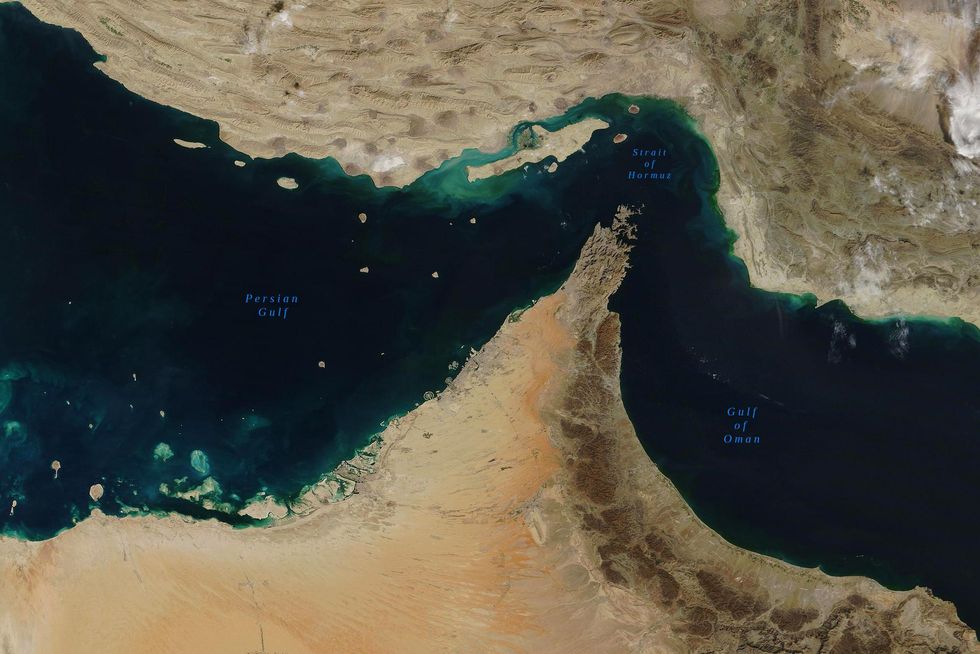
- The Strait of Hormuz blockades have redirected Iraqi oil shipments overland across Syria to Mediterranean ports and spurred renewed discussion of Gulf-to-Mediterranean pipeline routes through Jordan and Syria.
- Turkey and Saudi Arabia are planning to revive the historic Hejaz Railway from Mecca to Istanbul through Syria, potentially positioning the country as a Europe-GCC trade and logistics hub.
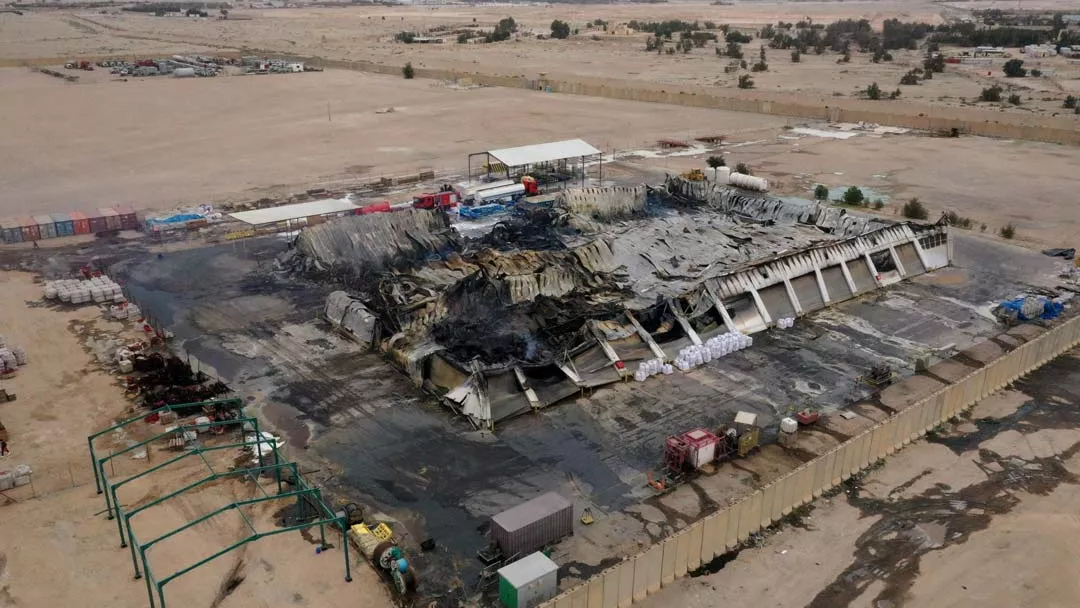
- Iran struck eastern Syria on July 17 claiming to hit a U.S. special operations command center—analysts Joshua Landis and Bassam Barabandi read it as a deterrence message and a warning to Damascus against weakening Hezbollah's influence in Lebanon.
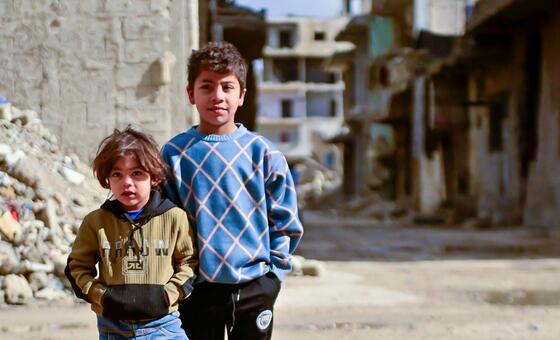
- Syrian refugees are returning en masse from Lebanon as that economy shrinks, straining Syria's housing and jobs while cutting off remittances that had sustained parts of the economy.
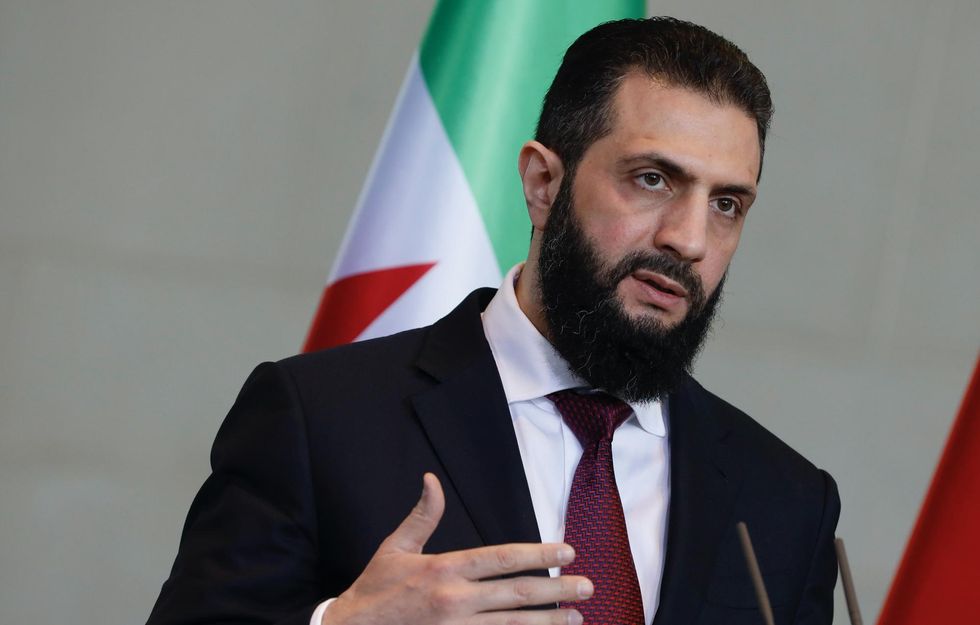
- President al-Sharaa's government has adopted official neutrality on Israel-Iran hostilities, a significant departure from the Assad era's alignment, while prioritizing reconstruction and balanced ties with Washington and Arab capitals.
Why it matters: Syria's bet on neutrality plus transit-hub status could reshape its regional role: if Gulf-to-Mediterranean pipelines and the revived Hejaz Railway materialize, Syria gains a structural economic lever it has not held in decades. The counterweight is governance capacity—analyst Bassam Barabandi argues the government's long-term success depends on institutions, rule of law, and transitional justice, not regional alignment. With 88% of Americans questioning the Iran conflict's cost and GCC economies contracting, Syria's reconstruction funding could shrink just as refugee inflows grow.