Spain Win 2026 World Cup on Teamwork Over Stars — SkimNews

Get the Sports newsletter
Daily sports — scores, transfers, the storylines from the leagues you actually follow. Free.
- Luis De La Fuente guided Spain to the 2026 title using a press-and-possession system echoing Pep Guardiola's early Barcelona, a deliberate tactical shift from the wing-driven, Yamal-and-Nico-Williams-stretching approach that won him Euro 2024.
- Spain conceded just one goal across all eight tournament matches, a defensive record marshalled by 19-year-old Pau Cubarsí — the only squad member with both an injury-free club season and a campaign worth writing home about.
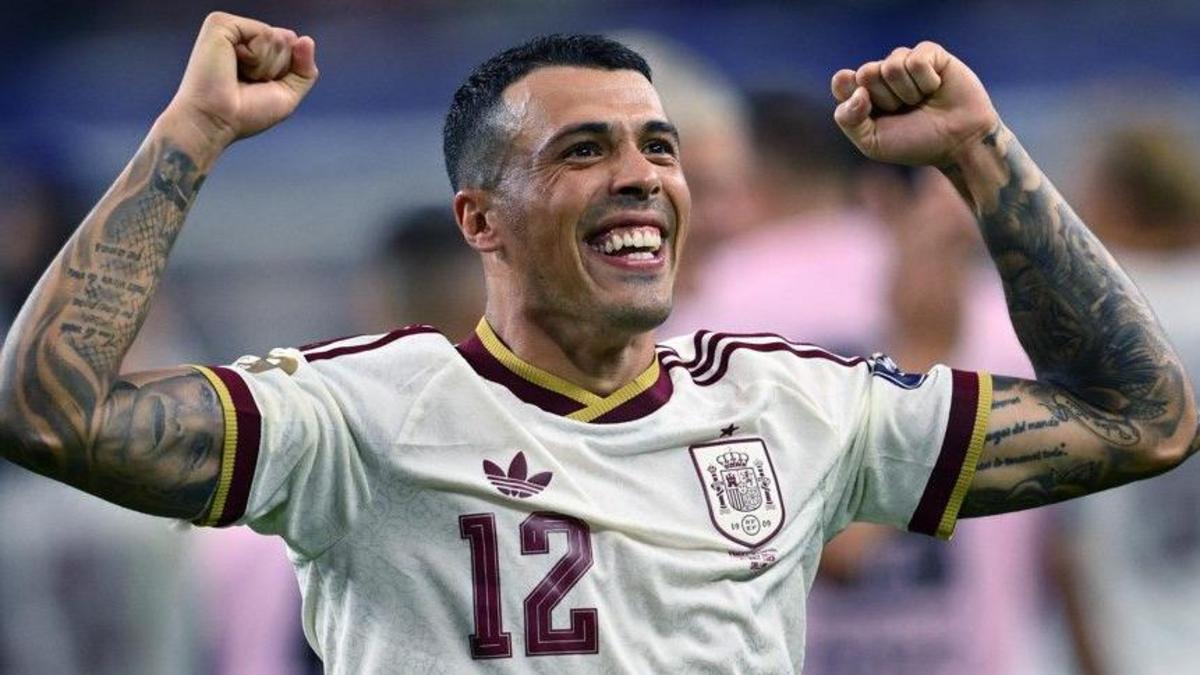
- Coach De La Fuente built his champion XI largely from players nursing rough club seasons: goalkeeper Unai Simón and center back Aymeric Laporte tumbled down LaLiga, right-back Pedro Porro nearly went down with Tottenham, left-back Marc Cucurella's Chelsea missed European qualification, Rodri was injured or sub-par for much of Manchester City's campaign, and Mikel Oyarzabal scored only nine open-play goals for a mid-table Real Sociedad.
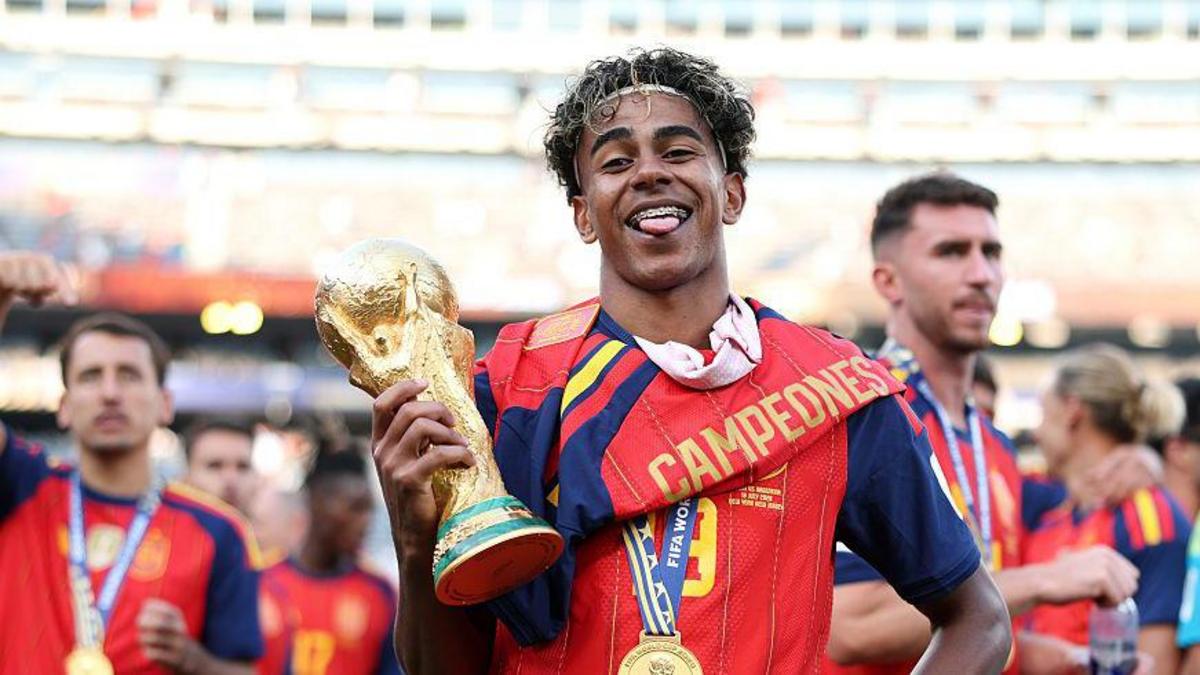
- Lamine Yamal was deployed as a selfless wide worker rather than Barcelona's free-roaming creator, while Pedri was dropped to the bench after the round of 16 as the group internalized a system-first ethos over individual star power.
- Dani Olmo played what the source calls a tournament-long masterclass in both pressing and winning turnovers high up the pitch, though Rodri — still claiming the Golden Ball — beat him to the individual award.
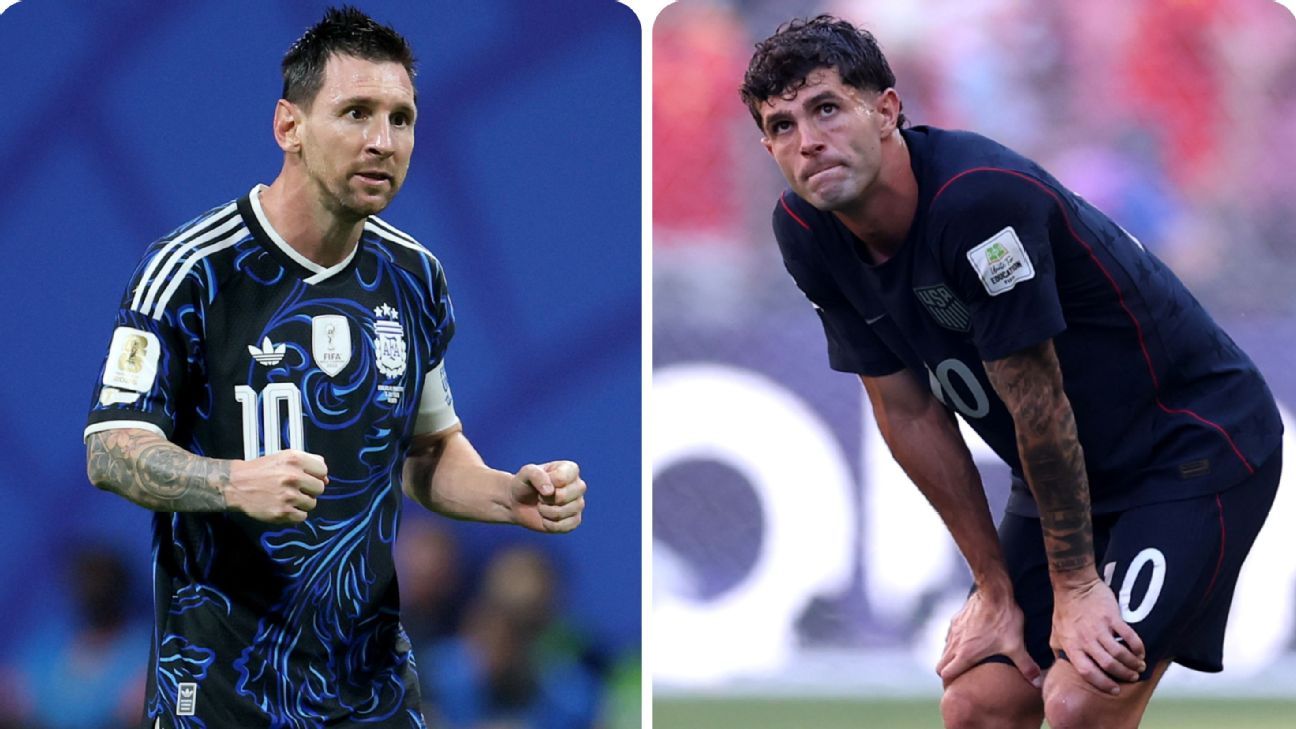
- Article framing: the piece recasts Sunday's final in which Spain beat Argentina, with Messi rated 3/10 and Enzo Fernández sent off, as the culmination not of any individual brilliance but of De La Fuente's deliberate subordination of every star to a collective tactical vision.
Why it matters: De La Fuente's roster — stocked with players written off at club level — inverts the prevailing model of building national teams around marquee names like Mbappé, Kane and Messi, all of whom exited this tournament before the final. The defensively miserly, system-first template that delivered a one-goal-in-eight-matches record offers a competing blueprint for federation coaches weighing whether to follow the superstar template or trust a coach's long-tenured youth-development pipeline.
Ask SkimNews