US Stocks Sink to 6-Month Low on Iran War Escalation — SkimNews

Get the Finance newsletter
Daily finance — markets, central banks, M&A, the prints that move money. Free.
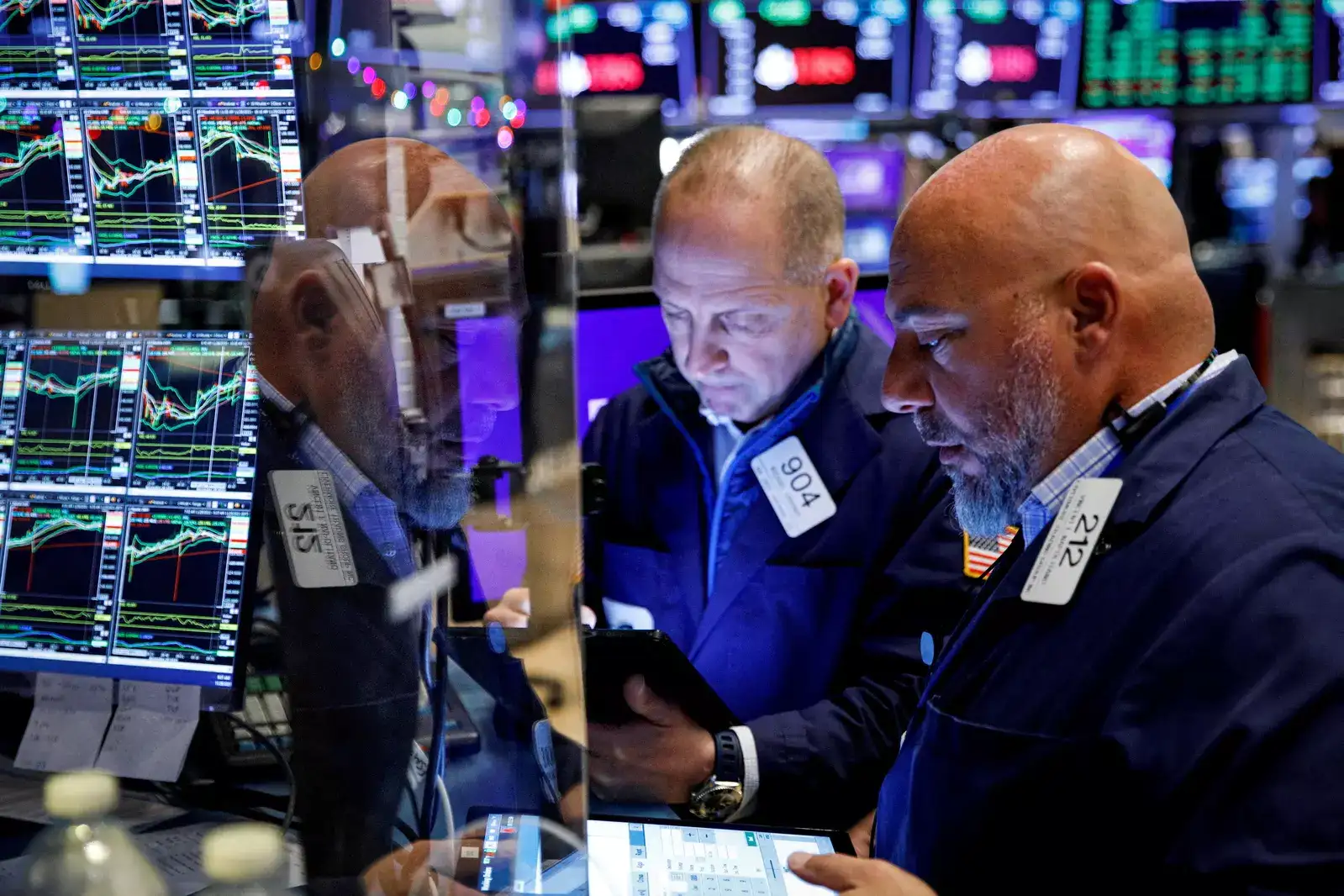
- The Dow, S&P 500, and Nasdaq all posted sharp losses — Dow fell 792.67 points (1.72%) to 45,167.44, S&P 500 dropped 1.75% to 6,363.75, Nasdaq fell 2.15% to 20,948.36 — marking their fifth straight weekly decline, the longest such streak in nearly four years.
- President Trump gave Iran 10 days to reopen the Strait of Hormuz or face destruction of its energy plants, after Iran rejected his proposals to end the war launched in tandem with Israel.
- Secretary of State Marco Rubio said the U.S. could achieve its objectives in Iran without ground troops and expected the operation to conclude in a matter of weeks.
- Oil prices surged as the war fanned inflation fears — U.S. crude settled up 5.46% at $99.64/barrel and Brent rose 4.22% to $112.57/barrel — while money markets shifted from pricing two Fed rate cuts before the conflict to zero cuts this year, with a 25% chance now priced for an October rate hike.
- The Nasdaq confirmed correction territory on Thursday (a 10% drop from its prior high) and the Russell 2000 had confirmed the same the prior Friday, while the CBOE Volatility Index touched its highest level since March 9.
- Megacaps and travel stocks led the selloff — Nvidia fell about 2%, Amazon dropped about 4%, the S&P 500 software and services index hit its lowest since April 7, and Carnival slumped after cutting its annual adjusted profit forecast.
- Ken Polcari of SlateStone Wealth said the overall tone has turned very negative, would view the drawdown as a 'big opportunity,' but would not be surprised by a 15% to 20% decline before it ends.
Why it matters: The Iran war has fully rewritten the Fed policy outlook: money markets went from pricing two rate cuts before the conflict to zero cuts this year, with a 25% chance of an October hike now baked in. With the Nasdaq already in correction territory and consumer sentiment hitting a three-month low, higher energy and fertilizer costs are squeezing both Wall Street expectations and Main Street confidence simultaneously.
Ask SkimNews