United Russia Leads Russia's First Wartime Parliamentary Vote — SkimNews

Get the Geopolitics newsletter
Daily geopolitics — wars, elections, sanctions, the diplomatic moves that move markets. Free.
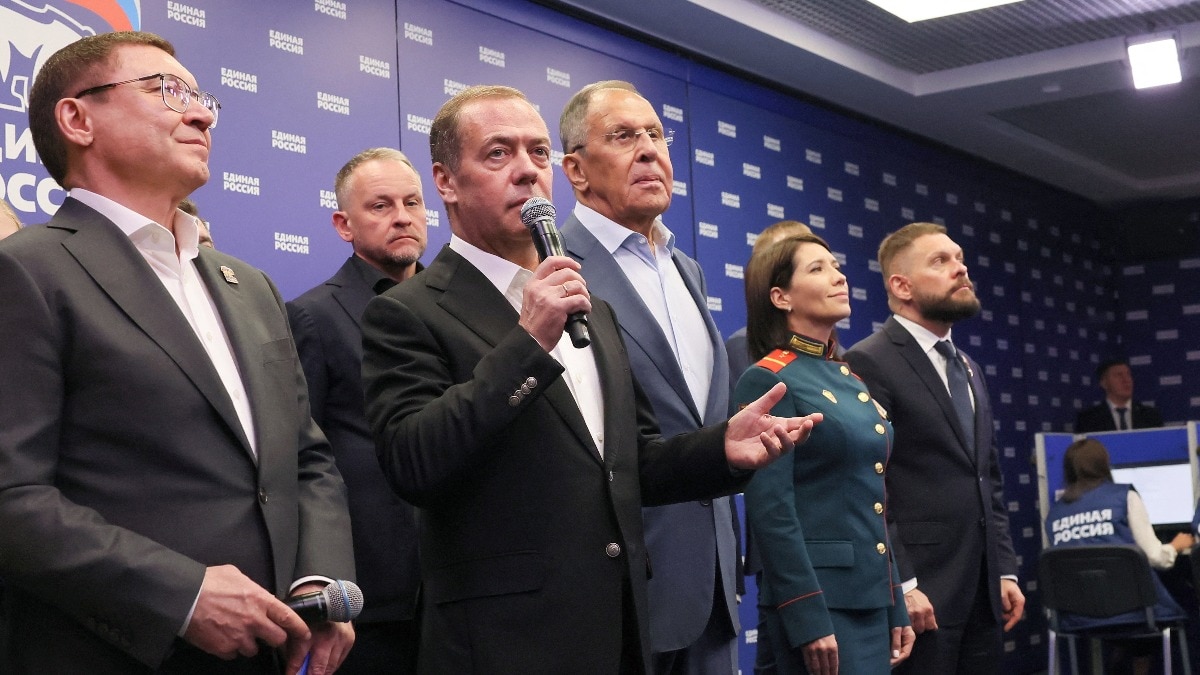
- United Russia was leading with nearly 58% of the vote for party-list seats with about 58% of precincts counted, according to Russia's Central Election Commission, and was also poised to win most of the 225 single-seat constituencies.
- Voter turnout stood at 56.66% across 111 million eligible voters in Russia's first parliamentary election since the full-scale invasion of Ukraine began, with voting running from Friday through Sunday.
- Ukrainian drone strikes during the election killed at least three people in the Moscow region and two in the Russian-held part of Kherson, including an election official, in what TASS called the biggest such attack since the war began.
- The vote extended to occupied Ukrainian territory, covering four regions Moscow illegally annexed after the war began plus Crimea (annexed in 2014), drawing a 'blatant violation of international law' condemnation from the European Union.
- The liberal Yabloko party — the only registered party to publicly criticize the war — was removed from the ballot by Russia's Supreme Court last month, while other anti-war politicians were imprisoned or forced into exile before the campaign.
- Russian authorities reported cyberattacks on electronic voting systems and communication lines during the polls but said the process was mostly smooth; Russia did not invite election observers from the Organization for Security and Cooperation in Europe.
- Several 'systemic opposition' parties that vote in sync with Putin's views were expected to retain their seats alongside United Russia, which is widely expected to keep overwhelming control of the 450-seat State Duma.
Why it matters: With United Russia taking nearly 58% and turnout at 56.66%, the Kremlin gets its desired display of public backing for the Ukraine war — but the result reflects a managed process, not a genuine mandate. The Supreme Court removed the only anti-war party from the ballot last month, and Russia barred OSCE observers entirely, meaning the vote carries the procedural legitimacy the Kremlin needs without the scrutiny that would test it.
Ask SkimNews