Min Aung Hlaing Becomes Myanmar President in Staged Elections

Get the Geopolitics newsletter
Daily geopolitics — wars, elections, sanctions, the diplomatic moves that move markets. Free.
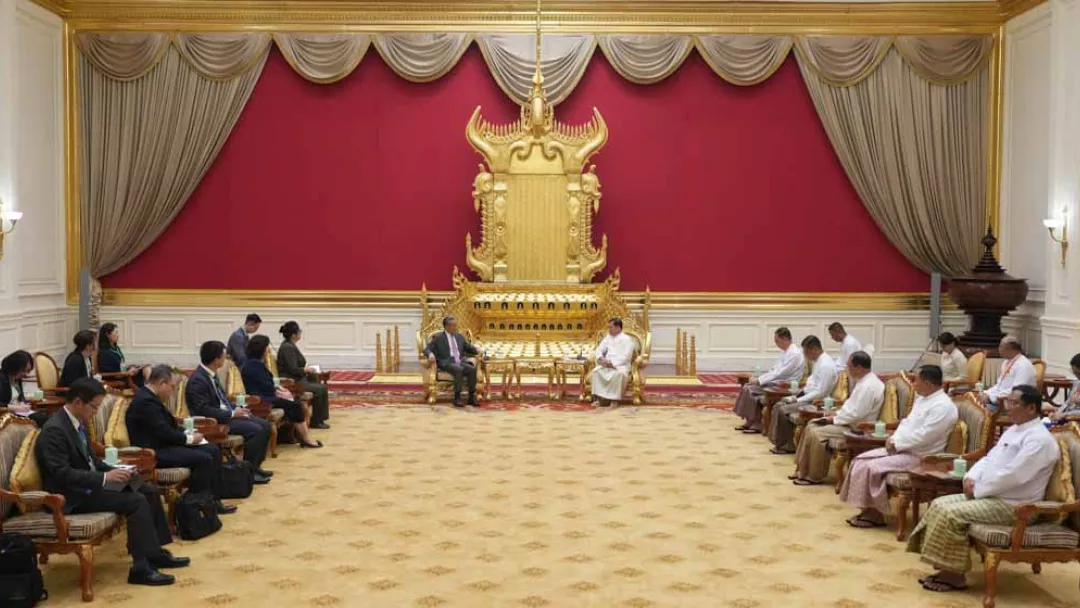
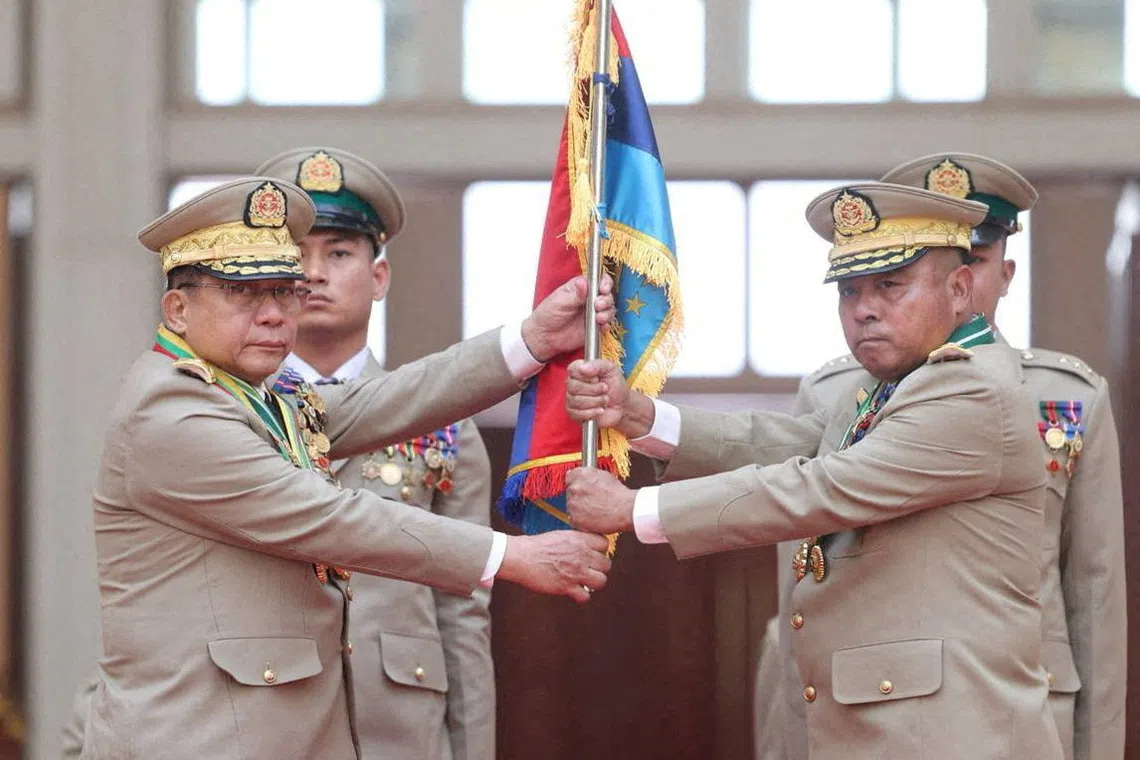
- Min Aung Hlaing became Myanmar's president five years after his February 2021 coup, with the elections scripted — main opposition parties excluded and voters in large parts of the country unable or unwilling to cast ballots — giving the military only procedural, not genuine, legitimacy.
- The military retains control under the framework of the 2008 constitution; Beijing-brokered ceasefires with northern armed groups eased pressure on junta forces, enabling redeployment and territorial gains that reversed 2023-2024 losses but still fall short of pre-coup control.
- The Arakan Army and Kachin Independence Organisation remain the military's most capable opponents, described in the briefing as battle-hardened and well-financed.
- Myanmar's economy is under severe strain from fallout of the Middle East conflict, and authorities fear hardship could trigger unrest on the scale of the 1988 and 2007 uprisings.
- Transnational fallout is expanding, including scam centres with victims worldwide, narcotics production, illicit financial flows, human trafficking, and risky cross-border labour migration.
- Foreign governments are urged to calibrate engagement with Naypyitaw to avoid conferring unwarranted legitimacy, while maintaining sanctions, negotiating humanitarian access, expanding livelihoods programs, and coordinating anti-transnational-crime efforts.
- Naypyitaw is drawing closer to Beijing, with indispensable Chinese support deepening the country's orbit toward China.
Why it matters: The staged polls give Min Aung Hlaing procedural cover but no new legitimacy, while Middle East-driven economic shocks and expanding transnational crime — scam centres, narcotics, trafficking — turn Myanmar's instability into a regional problem and deepen Beijing's grip on Naypyitaw.
Ask SkimNews