New 66ft long-necked dinosaur species discovered in Thailand — SkimNews
Get the Health newsletter
Daily health & science — research, biotech, public health, the studies worth knowing. Free.
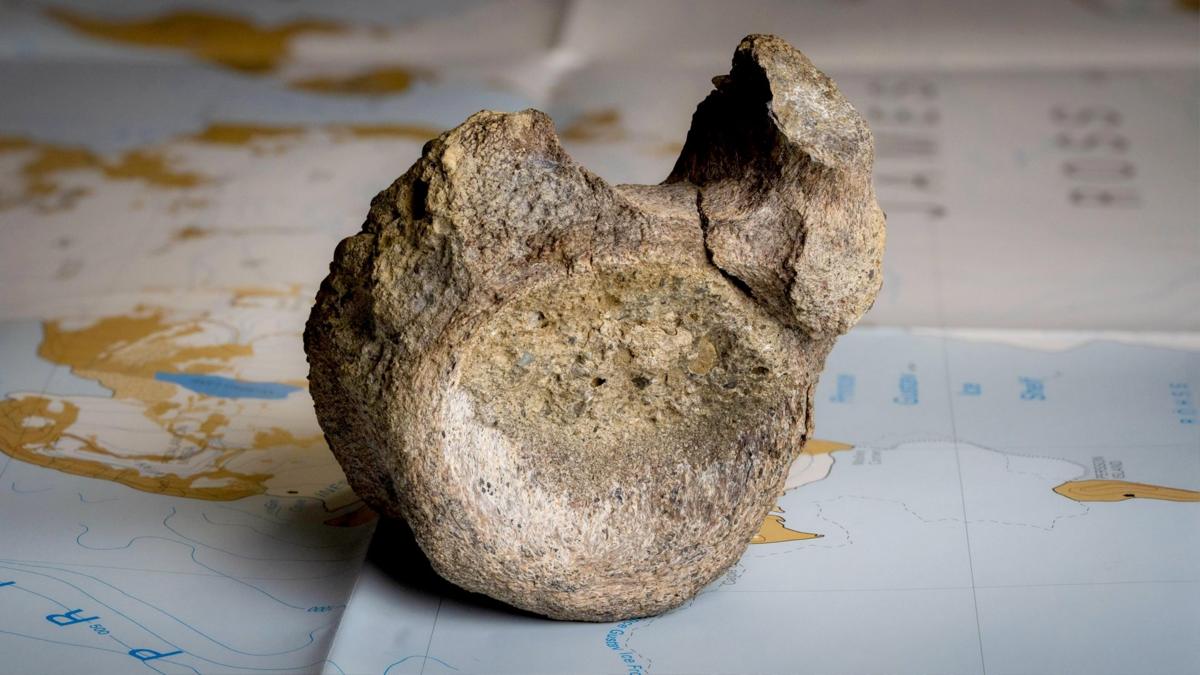
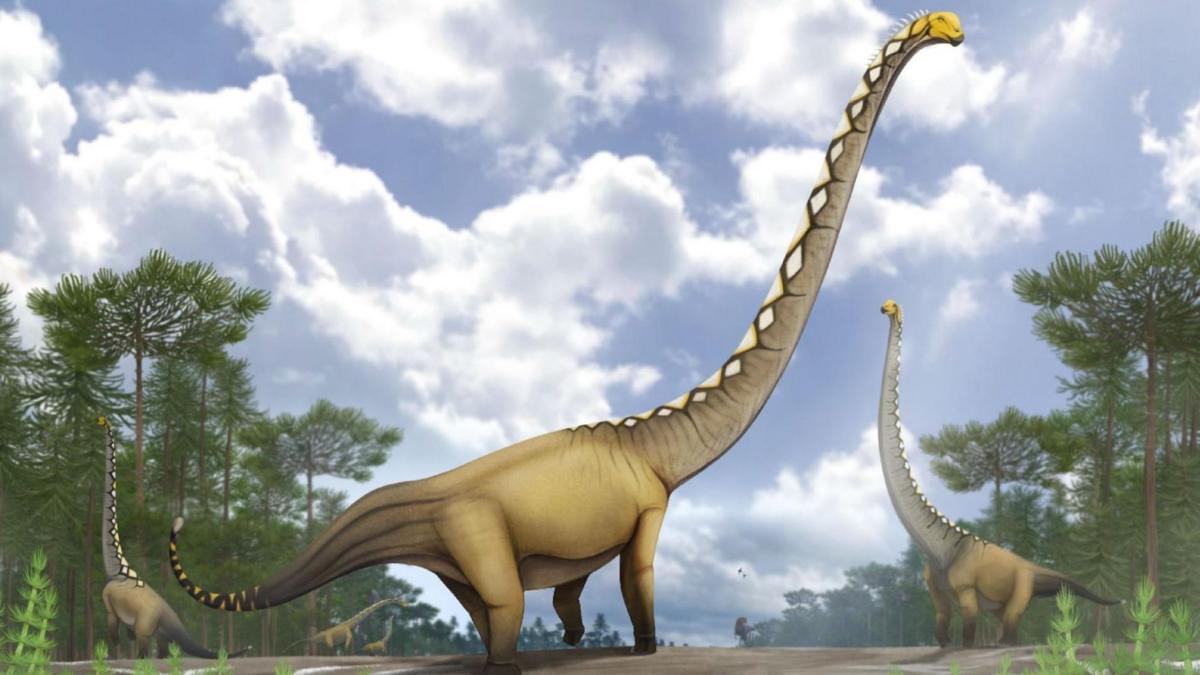
- Uragasaurus kalasinensis was identified from fossils in Kalasin Province, northeast Thailand, and is estimated to have lived about 150 million years ago, measuring up to 20m (66ft) — roughly the length of a cricket pitch.
- The specimen belongs to the Mamenchisauridae family of sauropods, making it the first of that family ever found in Thailand, with most prior members discovered in China.
- Lead author Dr Apirut Nilpanapan of Mahasarakham University told BBC Thai that a CT scan of a recovered dorsal vertebra revealed distinctive features, including a Y-shaped arrangement of supporting bones called laminae and a unique air-cavity structure 'unlike any other dinosaur in the world.'
- The fossil came from the Phu Noi site, which was first identified in 2008 when a local man found fragments resembling serpent scales; more than 90% of excavated material there consists of dinosaur fragments.
- Nilpanapan said he 'smashed his computer' upon realizing the specimen represented a new species, describing feeling 'exhilarated and relieved'; the study was published in Nature earlier this week.
- Separately in May, scientists identified the nagatitan from Thai remains as the largest dinosaur ever found in Southeast Asia, weighing 27 tonnes and measuring 27m (88ft).
Why it matters: The find fills a geographic gap in the Mamenchisauridae record, which had been concentrated almost entirely in China, and Thailand's Phu Noi site — now yielding a second new long-necked species within weeks — is positioning itself as a significant Jurassic fossil bed in Southeast Asia.
Ask SkimNews