Focused ultrasound treats TTTS without surgery in trial — SkimNews

Get the Health newsletter
Daily health & science — research, biotech, public health, the studies worth knowing. Free.
- Researchers at Queen Charlotte's and Chelsea Hospital used focused ultrasound beams to seal blood vessels as small as 2mm in the placenta, treating twin-to-twin transfusion syndrome without inserting a needle or telescope into the womb.
- The trial of 10 women resulted in 12 of 20 twin babies surviving, with half the mothers requiring further treatment; 90% of targeted blood vessels were successfully blocked with no unwanted side-effects.
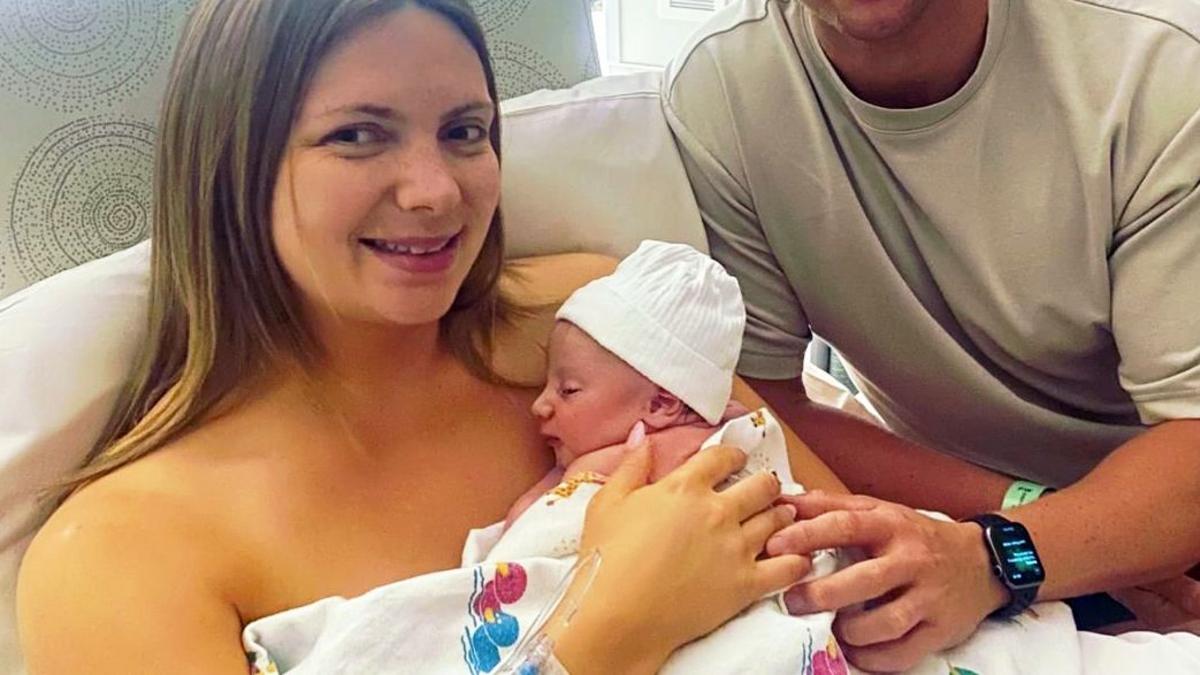
- Brioney Garrett's identical twins Nancy and Margo underwent the world-first procedure, a 20-minute outpatient treatment that rebalanced blood flow; the girls were born healthy at nearly 34 weeks and are now four, about to start primary school.
- TTTS affects 10–15% of identical twins sharing a placenta — roughly 300–400 UK pregnancies annually — by creating dangerous imbalances where the larger recipient baby accumulates excess fluid and the smaller donor baby is dangerously deprived.
- Prof Christoph Lees, head of fetal medicine at Imperial College Healthcare NHS Trust, called the research "very promising," saying a non-invasive method could spare women from invasive surgery.
- The study, published in the American Journal of Obstetrics & Gynecology, concluded that larger trials are needed before the procedure can be offered more widely.
- Twins Trust head of healthcare engagement Helen Peck said the non-invasive approach could be a "turning point" for families facing the life-threatening condition.
Why it matters: Roughly 300–400 UK pregnancies each year are complicated by TTTS, and the current standard — inserting a needle into the womb — is invasive; a 20-minute ultrasound procedure that needs no incision would change the treatment calculus for those families, though half the 10 trial participants still required additional intervention.
Ask SkimNews