5 Citizen Science Projects for the August 2026 Eclipse — SkimNews

Get the Health newsletter
Daily health & science — research, biotech, public health, the studies worth knowing. Free.
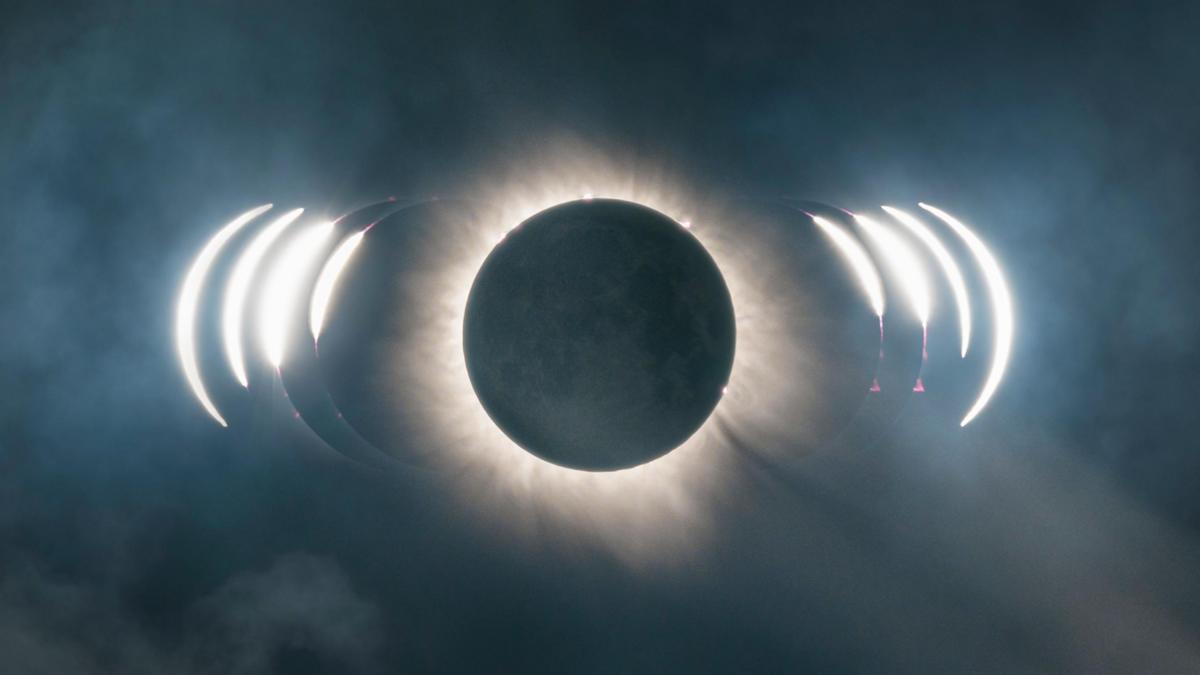
- The 12 August 2026 total solar eclipse will track across parts of Europe and the Arctic and Atlantic oceans, with a partial eclipse covering much of Europe, Canada, north-west Africa and parts of the US.
- The SunSketcher smartphone app takes precisely timed photos of Baily's Beads during the eclipse; geolocated images combined with lunar topography maps yield extraordinarily precise measurements of how far the sun deviates from a perfect circle.
- The shadow bands citizen science project asks volunteers in the path of totality to film a white sheet or piece of cardboard with a camera, aiming to quantify how the wavy ground patterns differ with altitude and distance from the centerline of totality.
- The Gaia4Sustainability project deploys sensor-equipped devices to measure sky brightness year-round for light pollution research; during the eclipse, the same sensors capture atmospheric changes caused by blocked sunlight.
- The Sungrazer project lets anyone with a computer and internet connection download satellite images of the sun and hunt for sun-grazing comets on its outskirts — a method credited with discovering a huge proportion of all known such comets.
- The Dynamic Eclipse Broadcast (DEB) Initiative trains and equips teams to observe along the path of totality for corona-evolution data; sign-up for the 2026 eclipse has closed, but participants can register ahead of the 2027 eclipse over northern Africa.
Why it matters: Total solar eclipses occur only every ~18 months on average, making each one a brief data-collection window. With the 2026 totality path crossing populated parts of Europe, SunSketcher's volunteer pool is unusually large — and combining precisely geolocated Baily's Beads photos from many sites can deliver the extraordinarily precise sun-shape measurement the project is designed to produce.
Ask SkimNews