Frog gut bacterium eliminated mouse tumors in single dose — SkimNews
Get the Health newsletter
Daily health & science — research, biotech, public health, the studies worth knowing. Free.
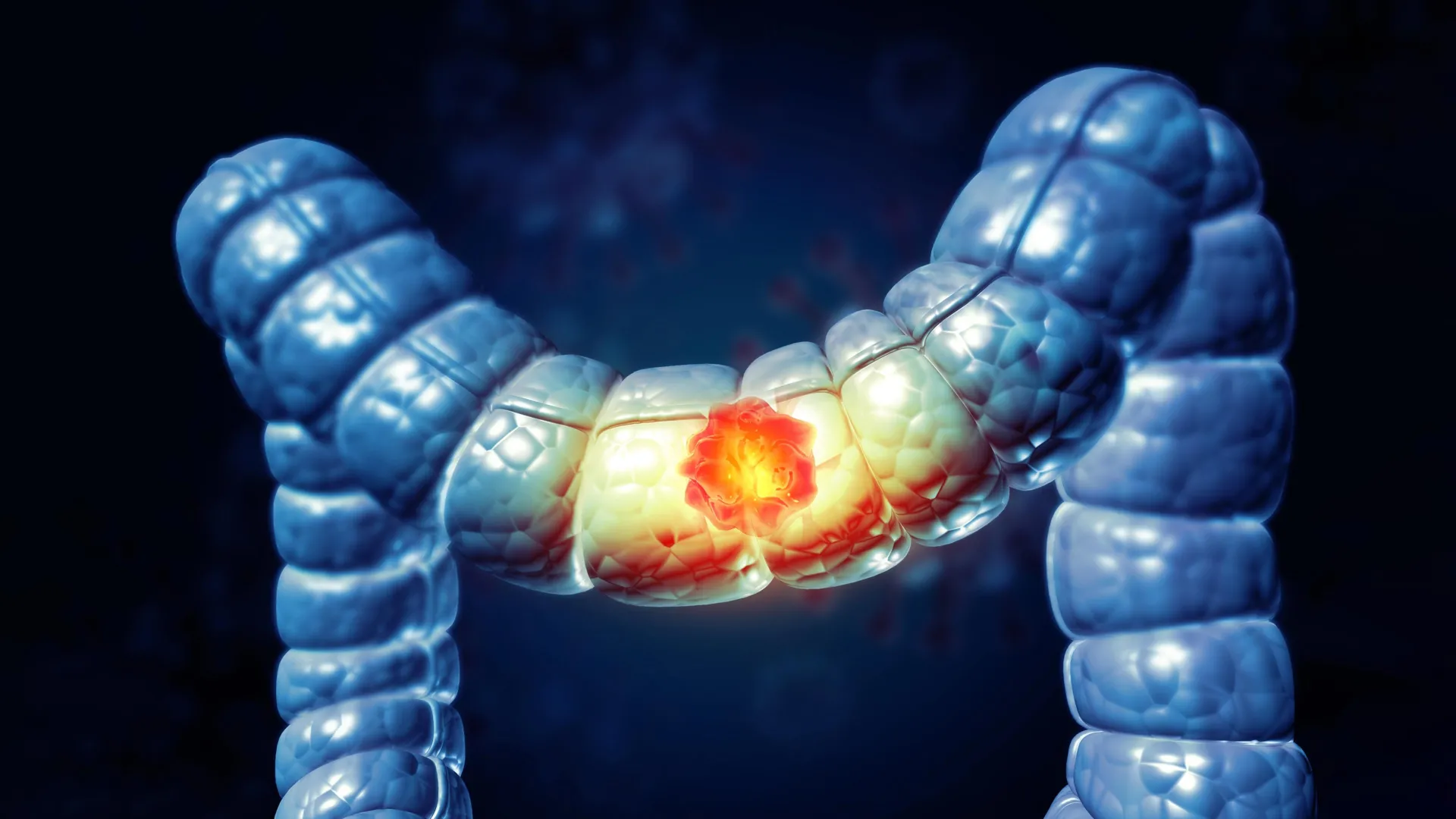
- Ewingella americana — isolated from the intestines of Japanese tree frogs — produced a 100% complete response rate against colorectal tumors in mice after a single intravenous dose, outperforming anti-PD-L1 antibody and liposomal doxorubicin comparators in the JAIST study.
- JAIST researchers screened 45 bacterial strains collected from Japanese tree frogs, Japanese fire belly newts, and Japanese grass lizards; E. americana was the most potent of nine strains that showed anticancer activity in initial testing.
- The bacterium attacks tumors through a dual mechanism: as a facultative anaerobe it multiplies roughly 3,000-fold inside oxygen-deprived tumor cores within 24 hours, while simultaneously recruiting T cells, B cells, and neutrophils that release TNF-α and IFN-γ inflammatory signals.
- E. americana accumulated almost exclusively inside tumors and was not detected in the liver, spleen, lungs, kidneys, or heart — a specificity researchers attribute to low-oxygen tumor environments, cancer cell CD47 immune suppression, leaky tumor blood vessels, and tumor-specific metabolism.
- Safety results showed the bacterium had a bloodstream half-life of approximately 1.2 hours and became undetectable within 24 hours, caused only mild temporary inflammation that resolved within 72 hours, and produced no chronic toxicity during a 60-day observation period.
- Next steps include testing the approach in breast, pancreatic, and melanoma models, plus evaluating dose fractionation, direct tumor injection, and combinations with existing chemotherapy and immunotherapy, according to the team.
- The study, published in Gut Microbes, departs from prior microbiome-cancer work that relied on fecal transplants or altering bacterial composition, instead delivering individually isolated, laboratory-grown strains intravenously to directly target tumors.
Why it matters: The 100% complete response rate in a mouse colorectal cancer model — achieved with a single dose and no colonization of healthy organs — is a striking proof of concept for a self-amplifying therapy that both kills cancer cells directly and recruits the immune system. If the tumor-targeting behavior holds in humans, E. americana could seed an entirely new class of solid-tumor treatment that sidesteps the toxicity ceiling of conventional chemotherapy.
Ask SkimNews