'People don't realise how at risk they are': A day with an ambulance service in a heatwave — SkimNews
Get the Health newsletter
Daily health & science — research, biotech, public health, the studies worth knowing. Free.
- South Western Ambulance Service received over 4,000 emergency 999 calls per day during the June heatwave — up from the roughly 3,000 typically recorded at the peak of winter — with chief executive Dr John Martin saying call volume 'tracks the temperature'
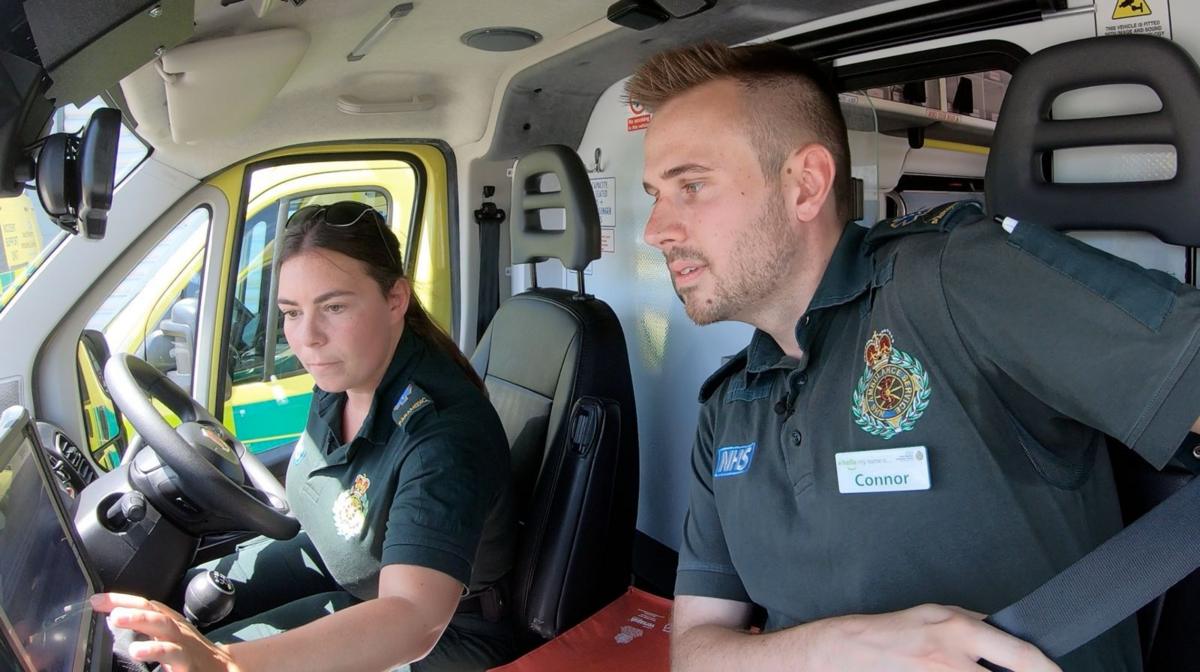
- Paramedics Connor Gilronan and Charlotte Sherston attended four calls during one shift, three of which were heat-related, including treating a 55-year-old asthma and chronic lung disease patient named Andrew who was overheating at home
- The crew described visiting houses where elderly residents were wearing jumpers or had the heating on because they did not know how to turn it off, a pattern Charlotte said better preparation could prevent
- The trust, covering 10,000 square miles from Cornwall to Swindon, expects further pressure this week from heat illness and from water-related injuries and drownings, which spike in hot weather
- Call handler Claire Havelock at the NHS trust's central hub called the previous heatwave 'exhausting', with some staff unable to take breaks, prompting deployment of extra clinical staff to support call handlers this week
Why it matters: The South Western Ambulance Service is publicly warning that the heatwave is generating more 999 calls than winter peaks — over 4,000 incidents a day versus ~3,000 — with elderly residents the most common patients and many callouts judged preventable. With temperatures forecast to remain at heatwave level into next week and the trust already stretched, the operational risk is that preventable heat incidents crowd out capacity for genuine emergencies across a 10,000-square-mile region.
Ask SkimNews