Trump's Unproven China Election Claim Threatens Xi's Visit — SkimNews

SkimNews Take
Rhetorical escalation built on redacted evidence risks derailing a September Xi visit that diplomatic channels have already locked in.
Get the Geopolitics newsletter
Daily geopolitics — wars, elections, sanctions, the diplomatic moves that move markets. Free.
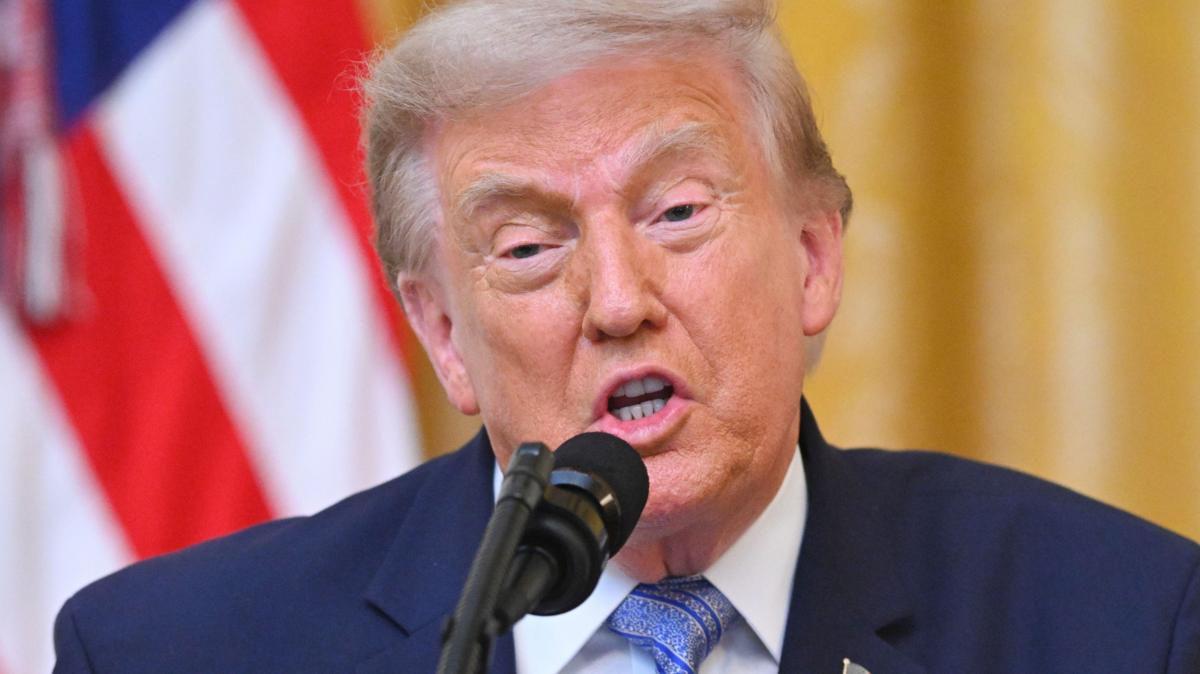
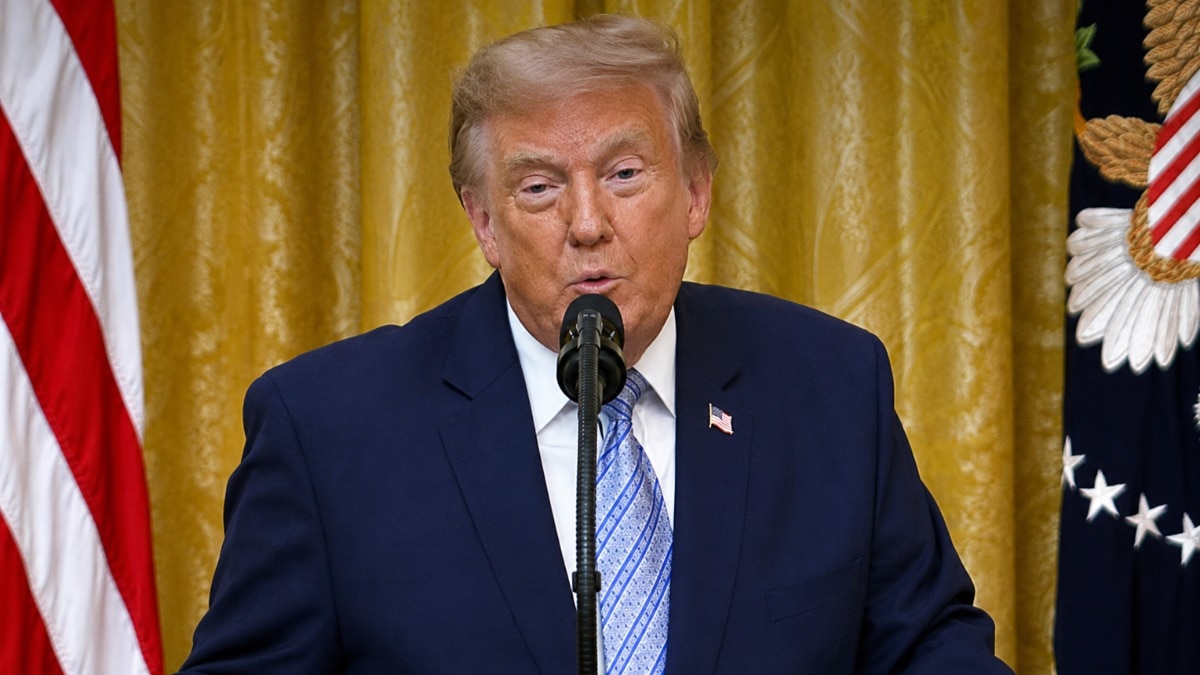
- Trump accused China of causing "the largest compromise of election data in history" in his 2020 loss to Joe Biden, while the White House published redacted documents that the source notes "failed to back up" any assertion the interference swung the race.
- Beijing rejected the allegations as "entirely fabricated and aimed at vilifying China," with Foreign Affairs Ministry spokesman Lin Jian stating China "has never" interfered in U.S. elections and urging the White House to "stop making an issue of China in its elections."
- The accusation cast uncertainty over a September state visit by Xi Jinping, though a White House official told CNN plans were "continuing apace," and the day after his speech Trump was musing about the U.S. and China co-hosting a future World Cup.
- Just two months earlier in Beijing, Trump had called Xi "my friend" and promised U.S.-China ties would be "better than ever before," hailing "even when there were difficulties, we worked it out" about trade negotiations.
- Within the same two-day span, the U.S. removed many sanctions and trade restrictions on Hong Kong while simultaneously slashing visas for Chinese state media employees, a move that prompted Beijing to threaten reciprocal action.
- A Pew Research Center survey released this week showed China now viewed more favorably than the U.S. in many countries, including Canada, which the state-run Global Times seized on as evidence of "misguided and outdated China policies" in the West.
- While Trump delivered his primetime address, Xi Jinping spoke at a technology conference positioning China as "the global benefactor on artificial intelligence" — what former NSC senior director Julian Gewirtz called a "split screen": "Chinese leaders planning forward, American leaders looking backward."
Why it matters: The accusation lands while Trump's approval rating sits in the 30s and his election legislation is stuck in the Senate, which Brookings' Ryan Hass said means Beijing will read the outburst as reflecting "a diminishing president of a declining country" and treat it as "a passing storm cloud" — preferring to preserve détente over confrontation even as the September Xi visit hangs in limbo.
Ask SkimNews