Trump-Netanyahu Split: Deal vs. Iran Strikes — SkimNews
SkimNews Take
The clash over military action against Iran reveals a divergence in how the US and Israel perceive the urgency and viability of diplomatic versus coercive approaches to regional security.
Get the Geopolitics newsletter
Daily geopolitics — wars, elections, sanctions, the diplomatic moves that move markets. Free.
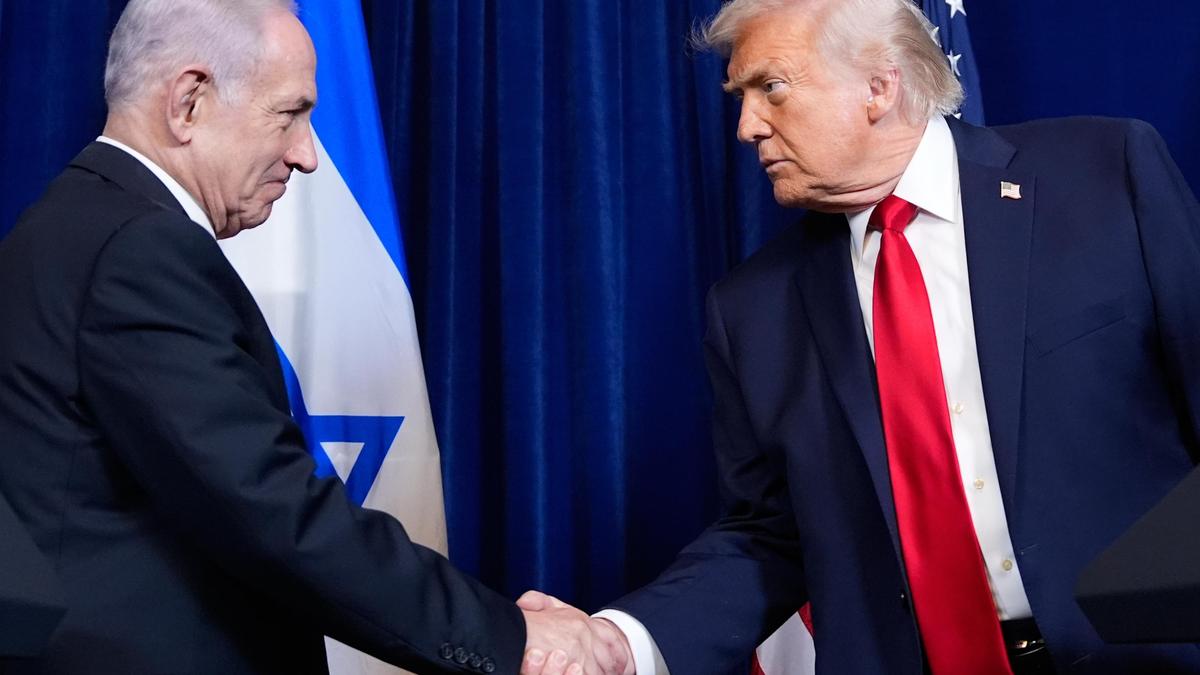
- Netanyahu pushed Trump on the May 19 phone call to resume strikes on Iran to further degrade its military capabilities and destroy critical infrastructure, per Axios
- Trump postponed strikes originally planned for May 19 at the request of Arab nations including Qatar and the UAE, saying he still believes a deal can be reached
- Qatar and Pakistan drafted a revised peace memo with input from other regional mediators to bridge gaps between the U.S. and Iran, Axios reported
- Trump told reporters on May 20 that the U.S. and Iran are "right on the borderline" between getting a deal and resuming the war, adding, "If we don't get the right answers, it goes very quickly"
- Trump publicly said Netanyahu "will do whatever I want him to do" on Iran, while Axios described Netanyahu's reaction to the call as "hair was on fire"
- Iran's Foreign Ministry said negotiations are continuing based on its 14-point proposal, with Pakistan's Interior Minister in Tehran to help mediate; Iran is reviewing an updated proposal but has shown no signs of flexibility
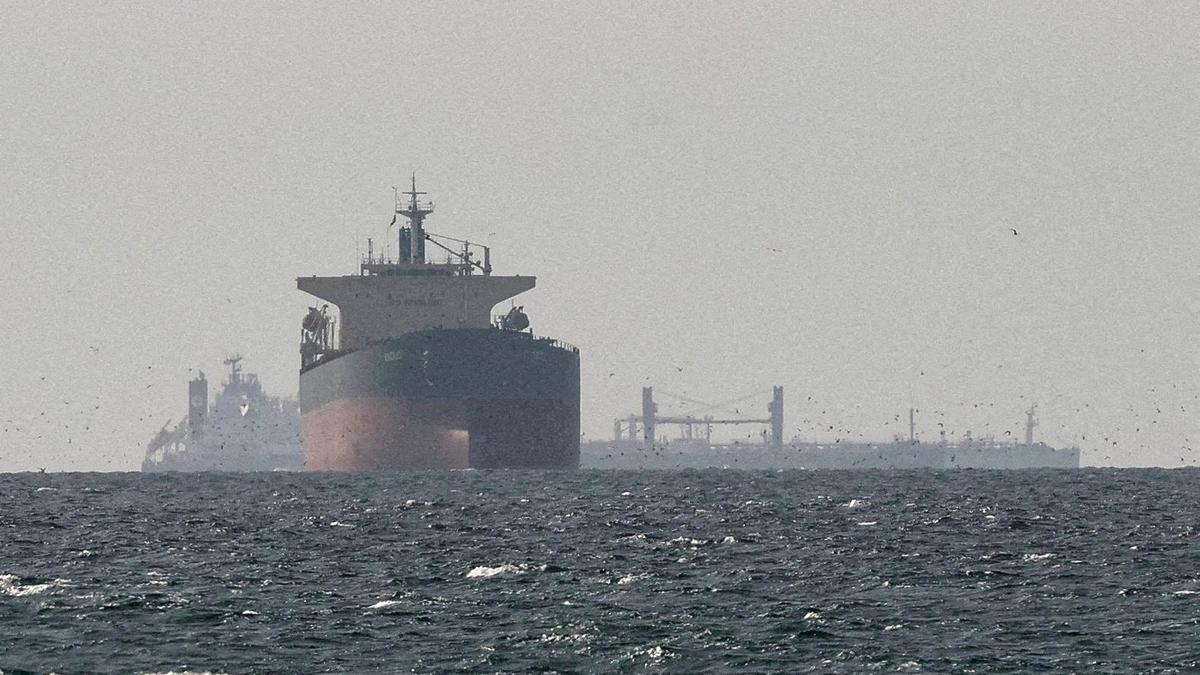
- Trump told Netanyahu the mediators are working on a "letter of intent" both sides would sign to formally end the war and launch a 30-day negotiation period on Iran's nuclear program and opening the Strait of Hormuz
Why it matters: The phone call reveals a sharp US-Israel strategic divide on Iran at a moment when mediators are racing to convert a Qatari-Pakistani peace memo into a binding letter of intent with a 30-day nuclear and Strait of Hormuz negotiation window. Netanyahu's stated appetite for resumed strikes against Trump's deal-first posture means Israel could act unilaterally if those 30 days produce no agreement, and Iran's lack of flexibility on its 14-point proposal makes that scenario increasingly plausible.
Ask SkimNews