USMNT 2030 World Cup roster projected after Belgium exit — SkimNews
Get the Sports newsletter
Daily sports — scores, transfers, the storylines from the leagues you actually follow. Free.
- 2030 World Cup will be hosted across Morocco, Spain and Portugal with additional games in Argentina, Paraguay and Uruguay, giving the USMNT a markedly different competitive path than 2026's home tournament.
- Matt Freese likely made his final USMNT appearance against Belgium after a costly error, with Chris Brady, Diego Kochen and Andrew Rick projected as the 2030 goalkeeper trio, all three currently serving as backups at club level.
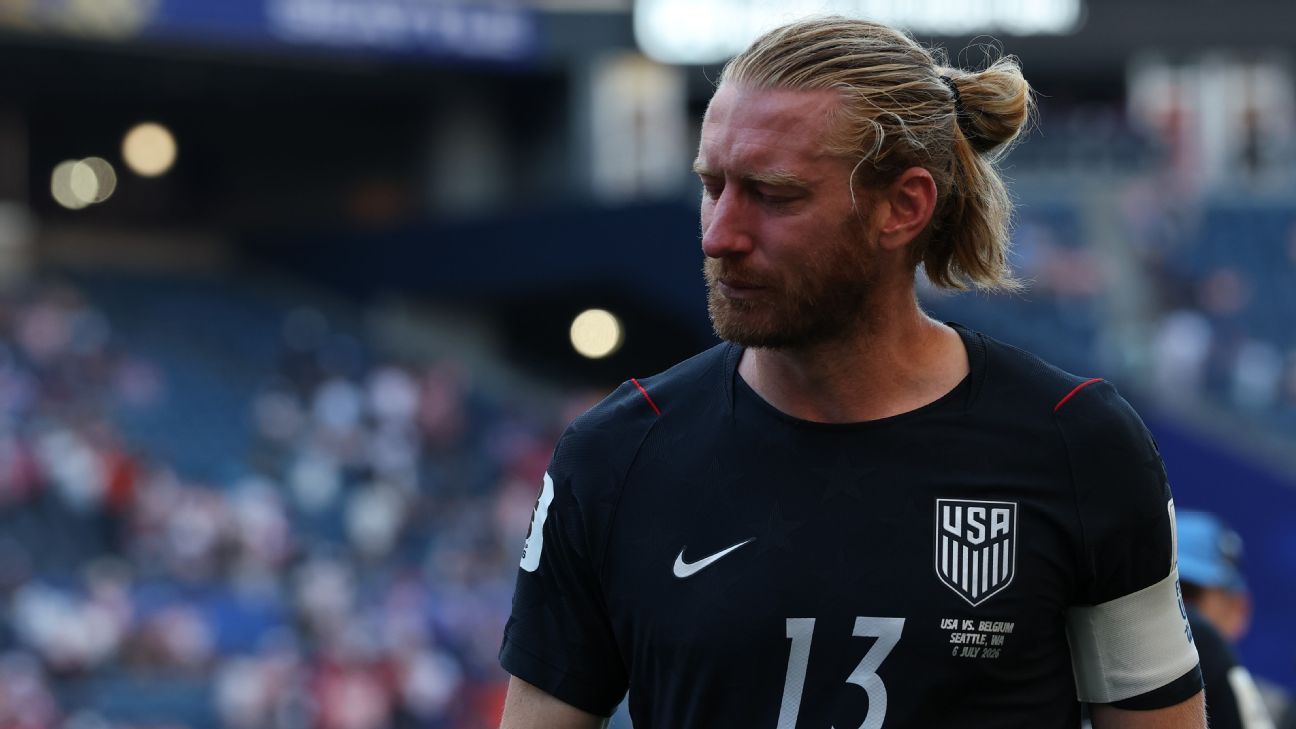
- Center-back depth remains the USMNT's most exposed position, with Tim Ream likely finished at international level and no one having seized his starting spot in 2026.
- Noahki Banks faces renewed dual-national competition, particularly as Germany retools its national program following their own World Cup exit and a public pursuit of Jürgen Klopp.
- Tyler Adams and Weston McKennie remain projected elder statesmen of the 2030 midfield, though Adams' injury history and McKennie's running-based game raise durability questions four years out.
- Malik Tillman emerged as a breakout performer at the 2026 World Cup and is positioned as a potential first-name selection by 2030.
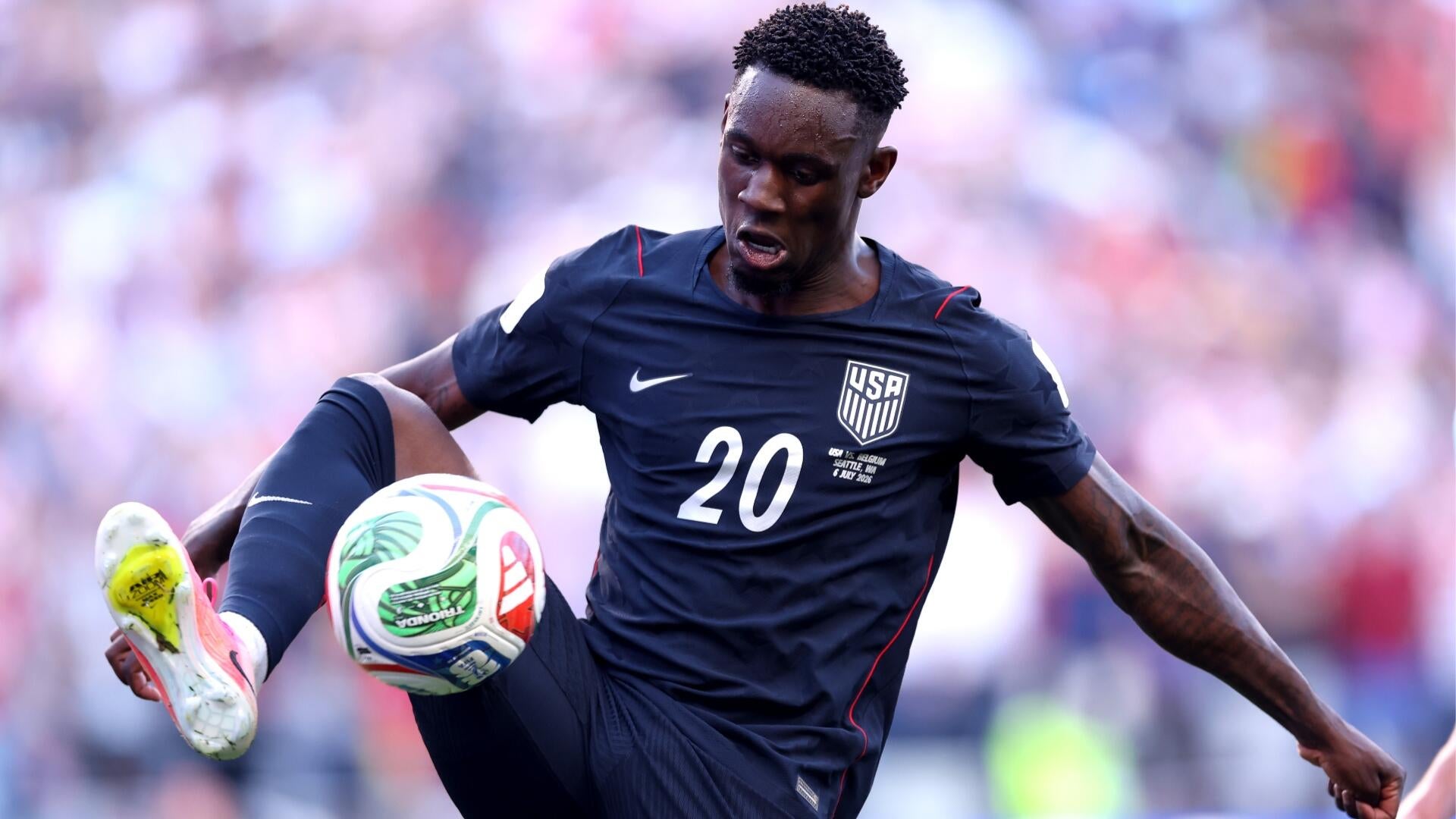
- Christian Pulisic, Gio Reyna (currently 23), Folarin Balogun, Ricardo Pepi, Patrick Agyemang and Julian Hall anchor a forward unit that is already young, with Pulisic and Balogun both carrying potential dual-national eligibility risks.
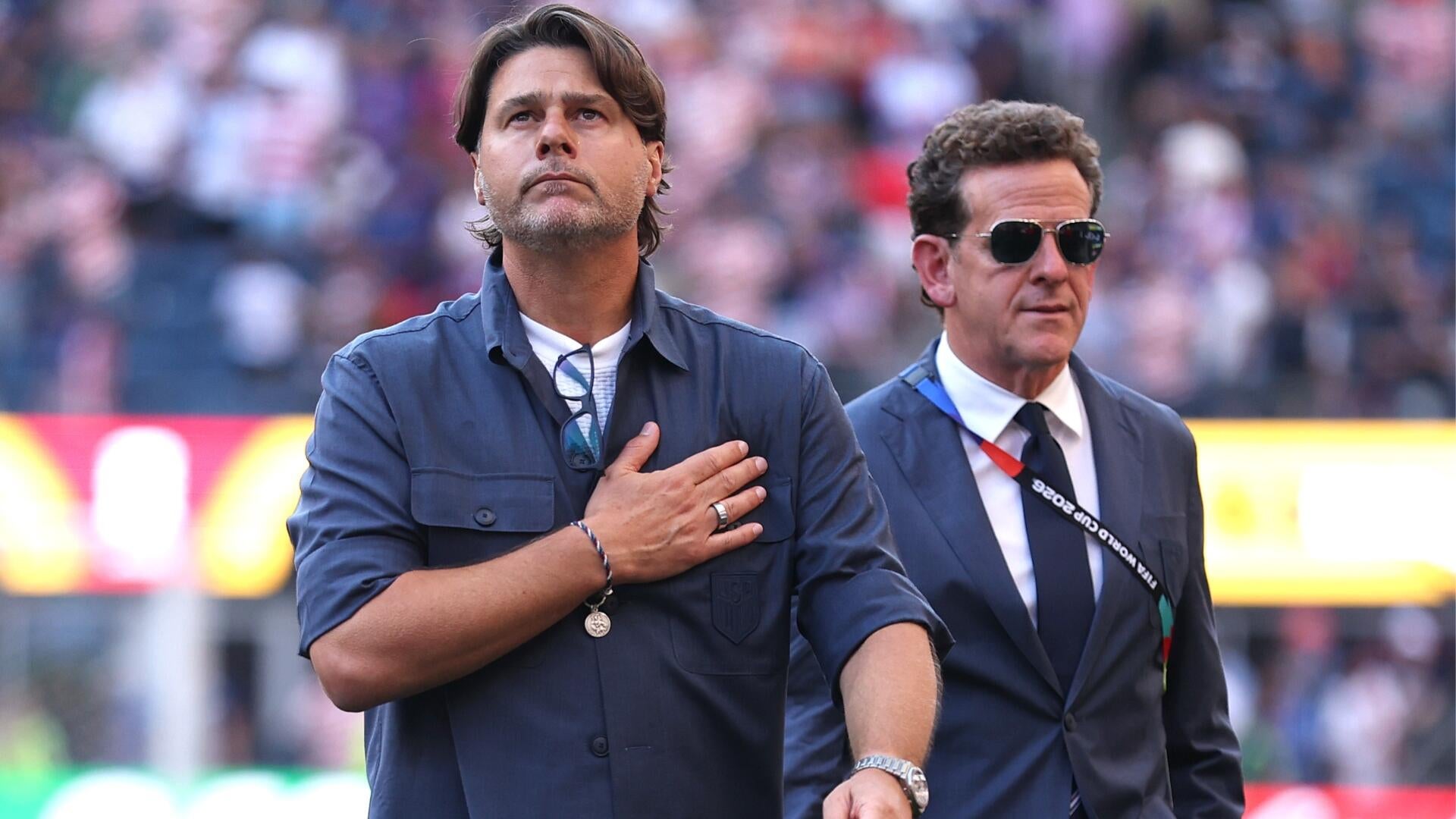
- Mauricio Pochettino's status as 2030 coach is uncertain, leaving open the possibility of a tactical system change ahead of qualifying matches against Canada and Mexico.
Why it matters: Center-back is the clearest roster gap carried over from 2026, and with no qualifying replacement established, the U.S. enters the 2030 cycle thin at the back despite possessing depth in attack and midfield. The dual-national battles around Noahki Banks (Germany cycling coaches) and Folarin Balogun (Poland eligible) make September's international window decisive before those prospects could be lost. Pochettino's uncertain status means the entire tactical identity, not just the player pool, is in flux four years out.
Ask SkimNews