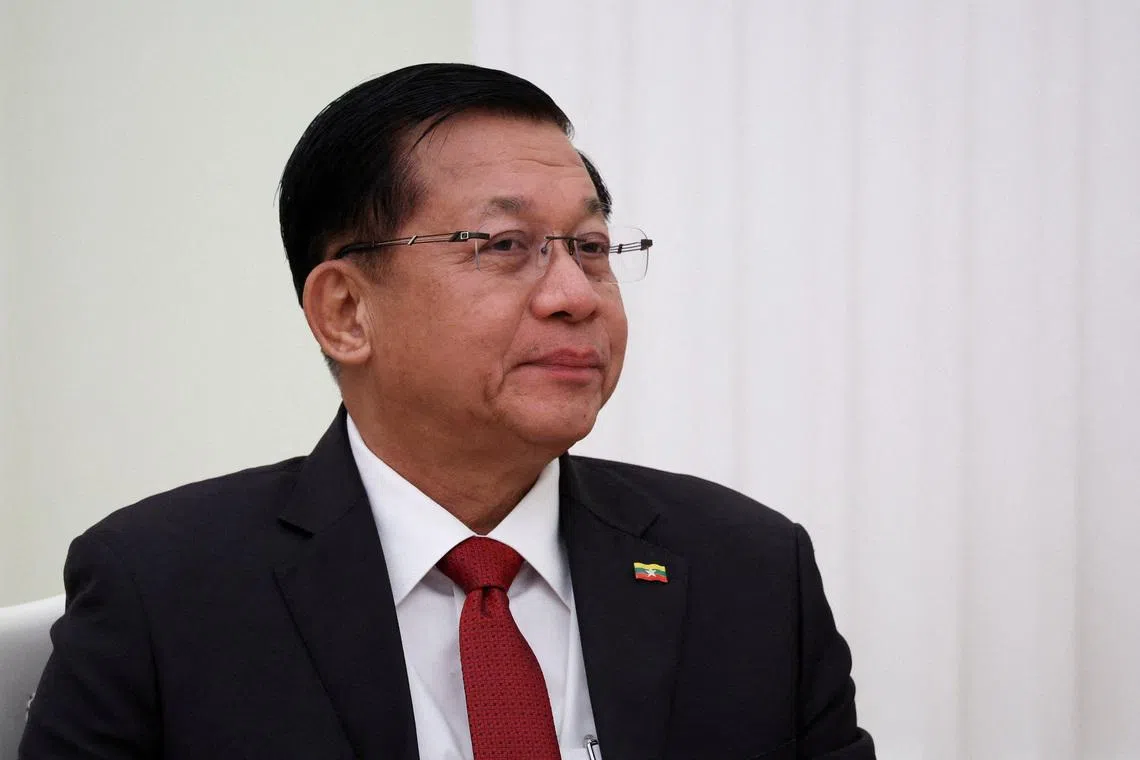
Min Aung Hlaing Claims Myanmar Presidency in Staged Vote
Get the Geopolitics newsletter
Daily geopolitics — wars, elections, sanctions, the diplomatic moves that move markets. Free.
- Min Aung Hlaing has become Myanmar's president following tightly staged elections held five years after his February 2021 coup ousted the elected government of Aung San Suu Kyi, with main opposition parties excluded and voters in large areas unable or unwilling to cast ballots.
- The Myanmar military has regained battlefield momentum after 2023-2024 losses, aided by a conscription drive, improved drone capabilities and Beijing-brokered ceasefires with northern armed groups that freed troops for redeployment to other fronts.
- The military continues to struggle against the Arakan Army and Kachin Independence Organisation, which the briefing describes as battle-hardened and well-financed opponents whose territorial gains the regime has been unable to reverse.
- A spiralling economic crisis triggered by fallout from the Middle East conflict has left the new administration nervous that hardship could morph into popular unrest on the scale of Myanmar's 1988 and 2007 uprisings.
- Myanmar's instability is generating transnational spillovers that Crisis Group flags as urgent: scam centres with victims worldwide, narcotics production, illicit financial flows, human trafficking and risky cross-border labour migration.
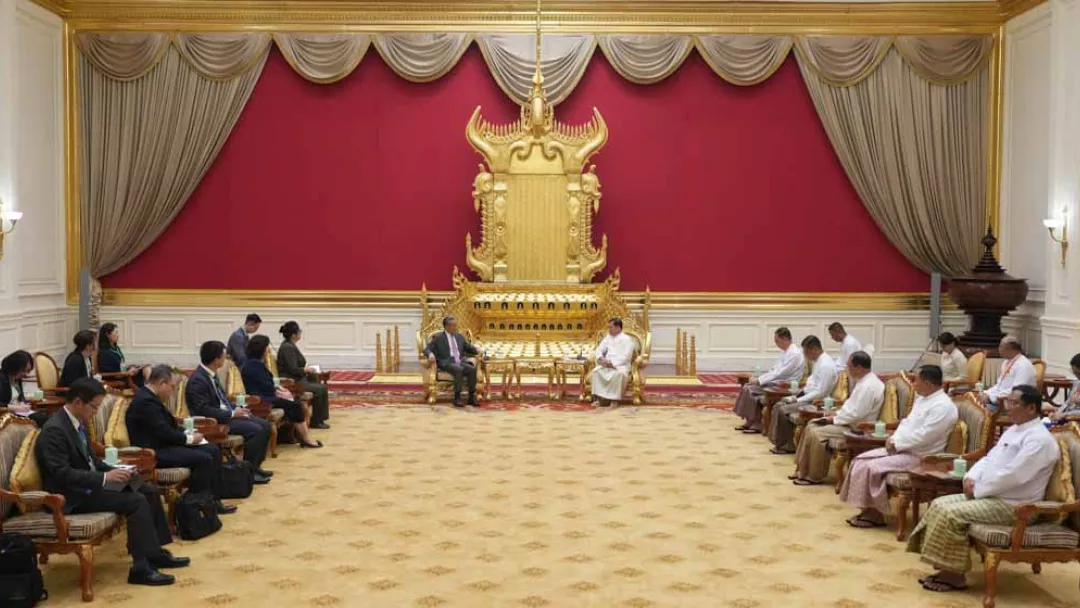
- Naypyitaw is drawing closer to Beijing, with Chinese support — including the April 25, 2026 visit to Myanmar by Foreign Minister Wang Yi — proving indispensable to keeping the regime in power and diplomatically afloat.
- Crisis Group recommends foreign governments calibrate any engagement to avoid conferring unwarranted legitimacy, while expanding humanitarian access and livelihoods programs, supporting civil society and coordinating against transnational crime and critical mineral supply chain risks.
Why it matters: Foreign governments now face a sharper choice: any normalising engagement with Naypyitaw risks legitimising a regime built on scripted polls, yet transnational threats — scam centres costing victims worldwide, narcotics flows, trafficking networks, and risky migration — demand cross-border action that cannot wait for a political settlement in Myanmar.