Iran Fires Missiles at U.S. Forces, Ending Brief Calm — SkimNews

Get the Geopolitics newsletter
Daily geopolitics — wars, elections, sanctions, the diplomatic moves that move markets. Free.
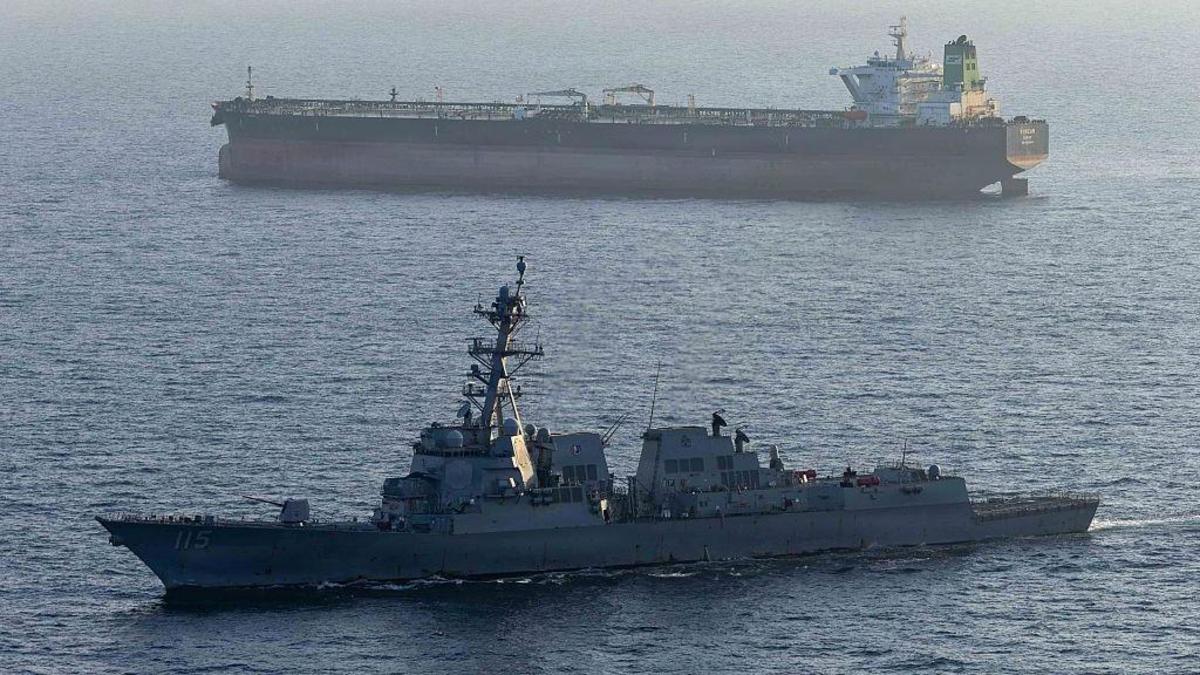
- Iran fired multiple ballistic missiles at U.S. forces in the Middle East on Tuesday, ending days of calm that followed weeks of escalation over the Strait of Hormuz, through which 20% of the world's oil normally flows.
- U.S. Central Command reported that all Iranian missiles were successfully intercepted and that U.S. forces "remain vigilant and at a high state of readiness," with no U.S. casualties announced.
- Saudi Arabia said it intercepted drones launched from Iraqi territory by Iran-backed militias for a second consecutive day, targeting petroleum facilities in its eastern region, while Iraq's PM ordered an investigation.
- Houthi rebels claimed to have forced the Saudi oil tanker NCC Ghazal to turn back in the Red Sea, announcing a blockade of Saudi shipping through the Bab el-Mandeb strait and putting another key Middle Eastern waterway at risk.
- Benjamin Netanyahu met Donald Trump at the White House on Tuesday — their first sit-down since the U.S. and Israel launched the war against Iran on Feb. 28 — with the closed-door meeting lasting nearly 90 minutes.
- Iran claimed U.S. strikes during an earlier escalation destroyed an airport, a marine control tower, 12 bridges and two tunnels, prompting Iran's retaliation with missile and drone attacks on Arab countries hosting U.S. forces.
- Donald Trump faces mounting pressure to end the war ahead of November midterms, with the article noting the conflict has "wreaked economic havoc and driven prices higher" as Netanyahu simultaneously battles his own deteriorating relationship with Trump.
Why it matters: The strike landed as mediators were pushing for negotiations and Netanyahu sat down with Trump at the White House, directly undermining the diplomatic track on a war the article says has already driven prices higher ahead of November midterms. Renewed escalation puts the Strait of Hormuz — carrying 20% of world oil and already contested by Iranian attacks on shipping — back in play, with separate Houthi and militia drone attacks now threatening Saudi petroleum facilities and Red Sea tanker routes simultaneously.
Ask SkimNews