Sánchez Denies Ceuta Warnings as Opposition Demands Resignation — SkimNews

Get the Geopolitics newsletter
Daily geopolitics — wars, elections, sanctions, the diplomatic moves that move markets. Free.
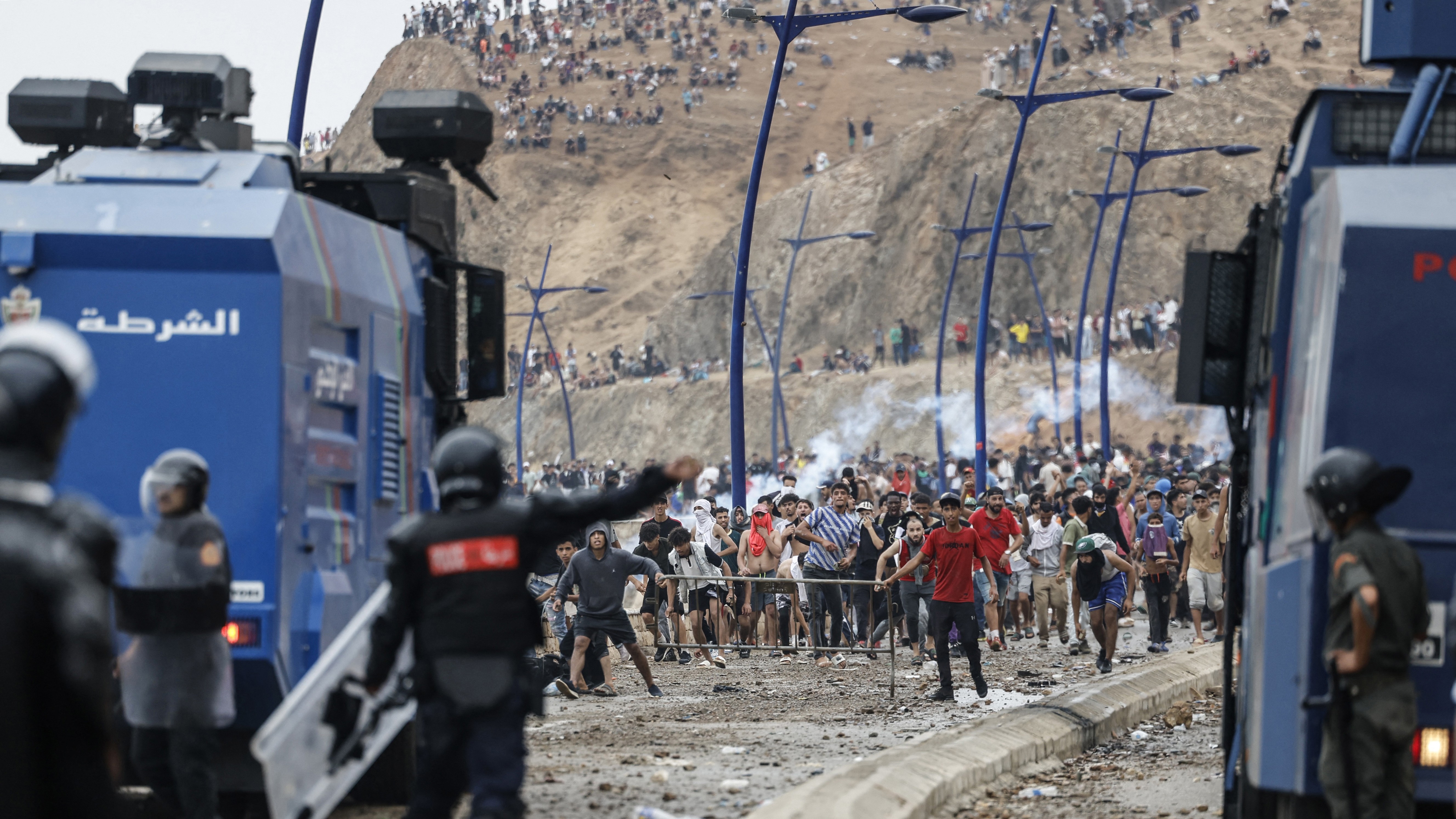
- Pedro Sánchez told Spain's parliament that no-one foresaw the July 30-31 influx of 72,000 migrants into Ceuta and dismissed opposition accusations that the government had been warned.
- A Spanish police report flagged the "total permissiveness" of Moroccan security forces during the crossing, though senior officials insist the document does not assign blame to Rabat.
- Opposition leader Alberto Núñez Feijóo accused the government of lying and a cover-up, claimed the crisis "originated in Morocco" and was known in advance, and demanded Sánchez resign.
- About 5,000 migrants remain in Ceuta — including up to 1,400 children — though Spain and Morocco returned more than 90% of arrivals within 72 hours of the initial surge.
- Italy imposed border restrictions on arrivals from Spain, a concrete European-partner rebuke over Madrid's handling of the crisis.
- Tens of thousands protested across Spain on Wednesday, with anti-government chants overshadowing the demonstrations' stated aim of supporting Ceuta residents.
- Sánchez blamed social-media hoaxes for sparking the crisis and previously angered Russia and Israel by singling out accounts linked to both countries as part of an "international far-right movement."
Why it matters: Feijóo's resignation call and Italy's border restrictions have converted a regional humanitarian emergency into a direct political threat to Sánchez's government. The Socialist leader must now defend his refusal to blame Morocco in parliament while pressing Rabat on its sovereignty claims over Ceuta and Melilla, an already unstable diplomatic balance that has spilled into unrelated fights with Russia and Israel over social-media allegations.
Ask SkimNews