Russia, Ukraine Drone Strikes Cripple Black Sea Trade — SkimNews

Get the Geopolitics newsletter
Daily geopolitics — wars, elections, sanctions, the diplomatic moves that move markets. Free.
- Ukraine announced on July 23 that maritime transport to and from its three unoccupied Black Sea ports was effectively frozen after Russian missile and drone attacks in July alone targeted 57 Ukrainian and foreign-flagged merchant ships, including the Golden Leo, which sank July 27 after being struck by three Russian missiles off Odesa on July 19, killing 10 crew.
- This year's Russian strikes have already cut Ukraine's grain exports by roughly a third and doubled shipping freight costs, with Ukraine's agriculture minister projecting a direct export revenue loss of $1.5 billion to $3 billion — a critical blow given that the Black Sea corridors handle about 90 percent of Ukraine's agricultural exports and three-quarters of its foreign-currency earnings.
- Ukraine urged the United Nations on July 27 to help facilitate safe transit, echoing the 2022 Black Sea Grain Initiative, but the current crisis differs fundamentally: Russia is not physically blockading ports but striking ships directly, triggering a market collapse as war-risk premiums spike, underwriters withdraw coverage, and ship owners cite force majeure.
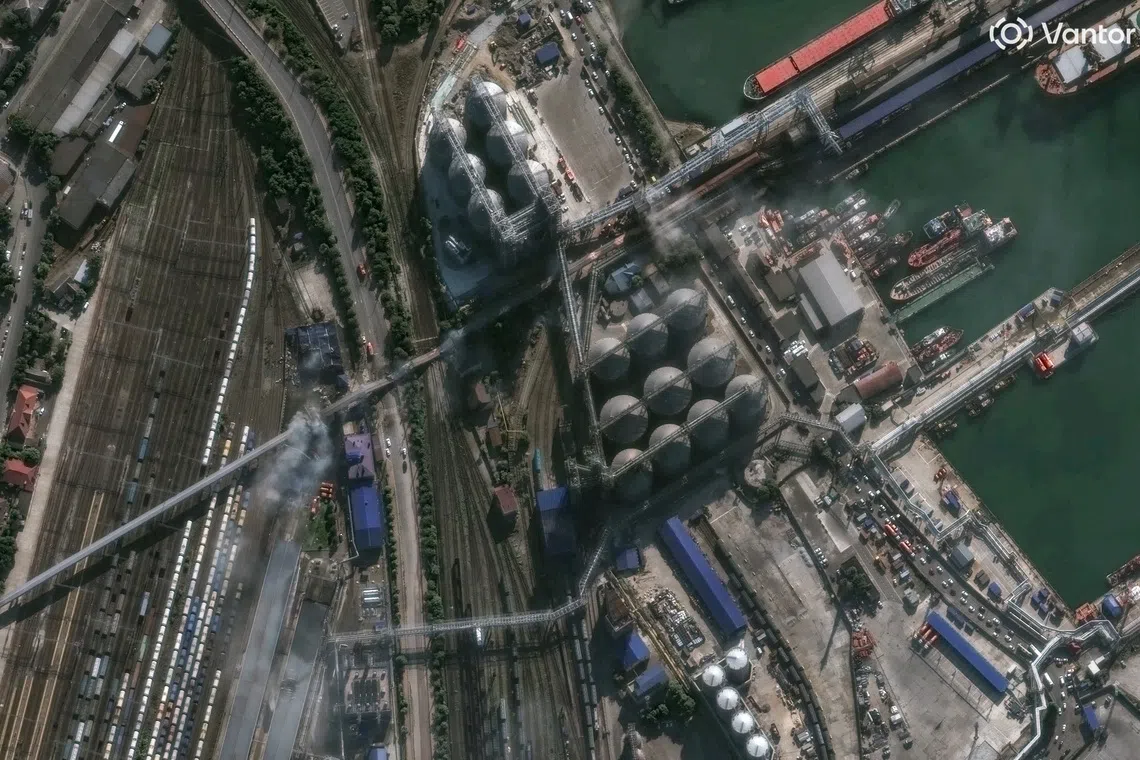
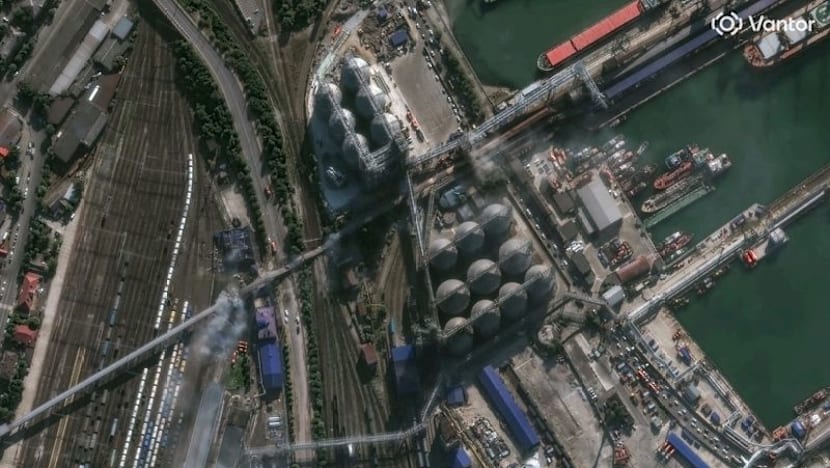
- Ukraine is retaliating with one-way aerial and maritime drones that struck more than 100 vessels near the Kerch Strait, prompting Russia to halt transit on July 10 and driving Novorossiysk — Russia's busiest seaport — to near-idleness, with Russian wheat exports falling to 1.8 million metric tons in July.
- Alternative routes through the Danube, rail, and Central European roads can handle at most about half of the 2.5 to 3.5 million tons of monthly capacity Ukraine has lost, and would add $45 to $50 per ton in costs, while there is no current appetite among EU neighbors to reopen their markets to Ukrainian agricultural goods as they did in 2022.
- The International Transport Workers' Federation rejected financial remedies such as state-backed war-risk insurance, insisting that 'until there is genuine, guaranteed safety, no vessel should be transiting this war zone with civilian crew aboard' — a position that highlights the ethical gap between compensating financial loss and protecting human life.
Why it matters: With 90 percent of Ukraine's agricultural exports routed through Black Sea ports and no physical blockade to lift, the path back to normal trade depends on either halting deliberate strikes on civilian vessels — something neither side has shown interest in — or building alternative capacity that can handle only half the lost volume at $45–$50 per ton in added cost, squeezing Ukraine's $1.5–$3 billion in projected export losses directly onto global grain buyers.
Ask SkimNews